THE ADVENTURE COLLECTIVE® · Independent discovery and booking for outdoor travel

Spend a day learning traditional mahout techniques and caring for rescued elephants near Khao Lak. This sanctuary-focused tour emphasizes observation, food preparation, and trust-building rather than bathing or forced interactions.
Spend a day learning traditional mahout techniques and caring for rescued elephants near Khao Lak. This sanctuary-focused tour emphasizes observation, food preparation, and trust-building rather than bathing or forced interactions.
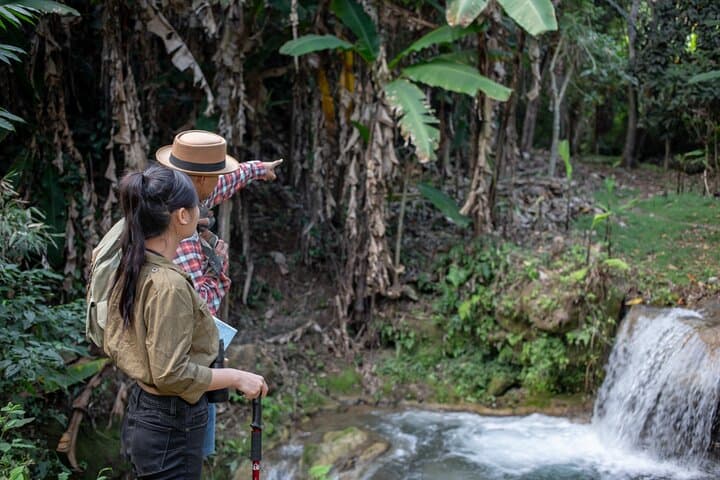
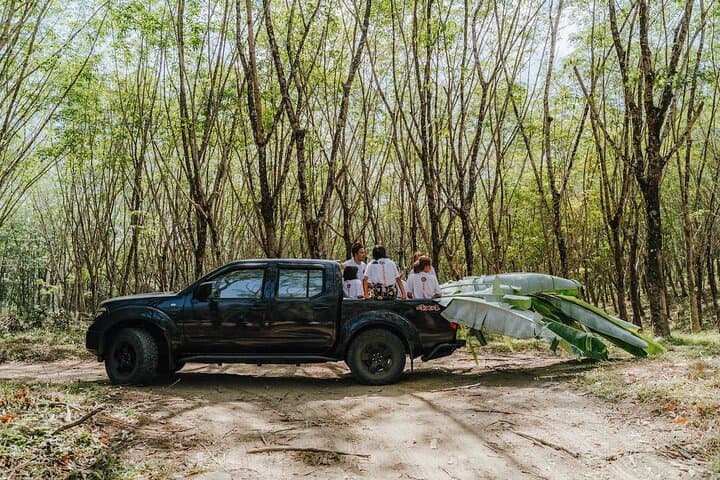
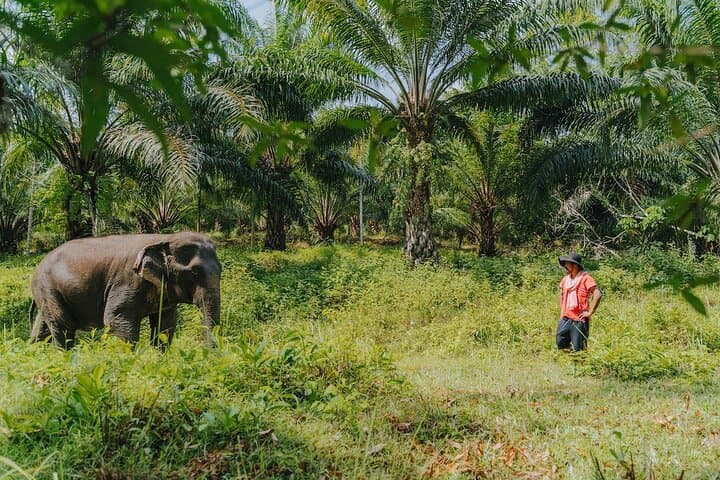
You step from the humid Thai morning into a dirt track that threads between cashew trees and low palms. The camp lies ahead like a working place rather than a show: timber huts, a simple shed for feed, and the slow, deliberate approach of an elephant under the watch of a mahout. Close enough to hear trunks rustle through foliage, you learn quickly that these animals lead the rhythm here—not the other way around.
Verified experiences and guided adventures in the surrounding area.
Operated by MY Holiday Centre · Khao Lak, Phang Nga
You step from the humid Thai morning into a dirt track that threads between cashew trees and low palms. The camp lies ahead like a working place rather than a show: timber huts, a simple shed for feed, and the slow, deliberate approach of an elephant under the watch of a mahout. Close enough to hear trunks rustle through foliage, you learn quickly that these animals lead the rhythm here—not the other way around.
This experience ties modern sanctuary practice to an older regional craft: the mahout tradition of living and working alongside elephants. Phang Nga’s limestone outcrops and coastal plains shaped how communities used elephants for logging and transport; today rescued animals are transitioning to lives where trust, not labor, defines interactions. You’ll visit a local market to buy fruit for the herd, prepare herbal vitamin balls, and observe how handlers read posture and eye movements to build rapport.
Expect short, guided walks, hands-on food prep, and close observation rather than bathing or forced performances—this sanctuary prioritizes animal choice. The guide explains local customs, the sanctuary’s rescue history, and pragmatic conservation work: limited group sizes, no forced contact, and direct support to nearby villages.
Practical notes: wear sturdy closed-toe shoes, long lightweight pants, and a hat; bring insect repellent and cash for market purchases. Plan for a full day starting mid-morning, with a buffet lunch at the camp and transport arranged by the operator. Respect the mahouts’ cues, keep cameras non-intrusive, and allow the elephants space to move on their terms—this is a chance to learn about care and connection on the animals’ timetable.
easy.
6–8 hours.
Suitable for most fitness levels; involves short standing or walking periods and light physical activity like preparing feed.
No—this sanctuary does not permit bathing and limits direct feeding; you may prepare food items and observe mahouts feeding to protect animal wellbeing.
Yes; the activity is suitable for all fitness levels but infants must sit on an adult’s lap and supervisors should follow mahout guidance around animals.
Lunch is included; pick-up options vary—confirm pickup point at booking and allow extra time for hotel transfers.
Full refund is available if you cancel at least 24 hours before departure; check your booking confirmation for specifics.
Mahout culture in southern Thailand links families to elephants for generations; many sanctuary residents were retired from logging or tourism and now live under care programs.
The sanctuary emphasizes non-coercive interactions, limited group sizes, and community partnerships to reduce pressure on wild populations and support local livelihoods.
MY Holiday Centre operates guided outdoor trips and adventures with an emphasis on safety, stewardship, and memorable experiences.

You step from the humid Thai morning into a dirt track that threads between cashew trees and low palms. The camp lies ahead like a working place rather than a show: timber huts, a simple shed for feed, and the slow, deliberate approach of an elephant under the watch of a mahout. Close enough to hear trunks rustle through foliage, you learn quickly that these animals lead the rhythm here—not the other way around.
You step from the humid Thai morning into a dirt track that threads between cashew trees and low palms. The camp lies ahead like a working place rather than a show: timber huts, a simple shed for feed, and the slow, deliberate approach of an elephant under the watch of a mahout. Close enough to hear trunks rustle through foliage, you learn quickly that these animals lead the rhythm here—not the other way around.
This experience ties modern sanctuary practice to an older regional craft: the mahout tradition of living and working alongside elephants. Phang Nga’s limestone outcrops and coastal plains shaped how communities used elephants for logging and transport; today rescued animals are transitioning to lives where trust, not labor, defines interactions. You’ll visit a local market to buy fruit for the herd, prepare herbal vitamin balls, and observe how handlers read posture and eye movements to build rapport.
Expect short, guided walks, hands-on food prep, and close observation rather than bathing or forced performances—this sanctuary prioritizes animal choice. The guide explains local customs, the sanctuary’s rescue history, and pragmatic conservation work: limited group sizes, no forced contact, and direct support to nearby villages.
Practical notes: wear sturdy closed-toe shoes, long lightweight pants, and a hat; bring insect repellent and cash for market purchases. Plan for a full day starting mid-morning, with a buffet lunch at the camp and transport arranged by the operator. Respect the mahouts’ cues, keep cameras non-intrusive, and allow the elephants space to move on their terms—this is a chance to learn about care and connection on the animals’ timetable.