THE ADVENTURE COLLECTIVE® · Independent discovery and booking for outdoor travel

Spend a day circling Easter Island’s signature sites — Ahu Akivi, Puna Pau, Ana Te Pahu, Rano Kau and Orongo — with a guide who connects geology, history and living Rapa Nui culture. This six-hour route covers varied terrain, short hikes, and dramatic coastal views.
Spend a day circling Easter Island’s signature sites — Ahu Akivi, Puna Pau, Ana Te Pahu, Rano Kau and Orongo — with a guide who connects geology, history and living Rapa Nui culture. This six-hour route covers varied terrain, short hikes, and dramatic coastal views.
Early light spills across wind-creased grass as the van eases out of Hanga Roa and the island’s stone faces come into view.
Verified experiences and guided adventures in the surrounding area.
Operated by Hotumatur RapaNui · Hanga Roa, Valparaíso Region
Early light spills across wind-creased grass as the van eases out of Hanga Roa and the island’s stone faces come into view.
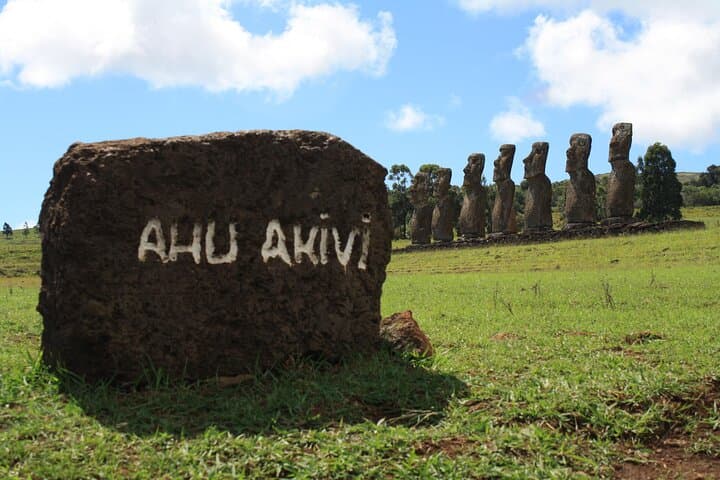
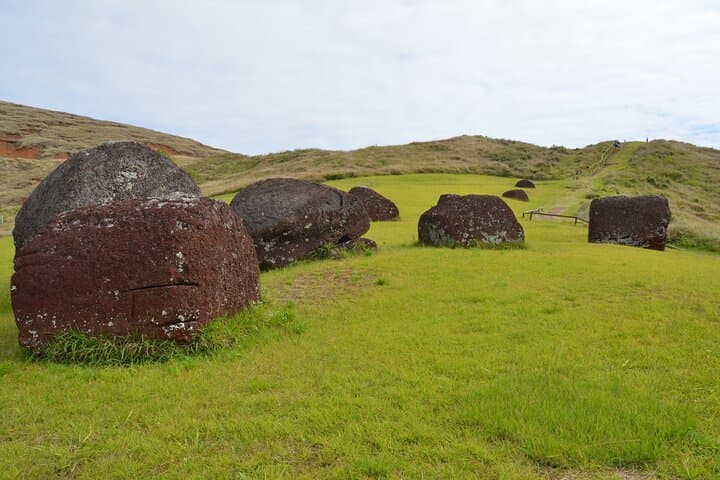
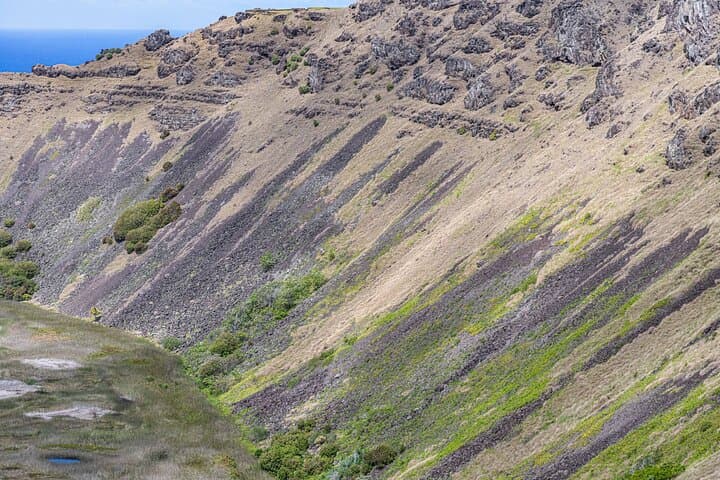
This full-day tour threads the island’s essential sites — Ahu Akivi’s seven moai staring toward the Pacific, the red scoria quarries at Puna Pau, the cavern network of Ana Te Pahu, and the cliff-top ceremonial village of Orongo overlooking Rano Kau. Geology and culture sit side by side here: volcanic tuff and lava flows shaped the low, undulating terrain while centuries of Polynesian carving gave the moai their memorable profiles.
Rapa Nui’s human story is compact and dramatic — initial Polynesian settlement, a flowering of monumental sculpture, and later social change centered on the Birdman competitions at Orongo. Guides on this route typically frame those events against clear geological markers (crater rims, quarry scars) and living traditions in Hanga Roa.
Expect mostly short walks at each stop with some uneven ground and short climbs to viewpoints. The day mixes sheltered cave passages and exposed coastal rims where wind and sun become active participants; bring sun protection and a light wind layer. Guides generally provide context, local stories, and transport between dispersed sites, making this an efficient way to cover the island’s highlights in six hours.
Timing matters: mornings are cooler and less windy at the crater rim, while late afternoon light softens the moai’s carved features. Practically, plan for moderate fitness, layered clothing, and reliable footwear to move comfortably between archaeological platforms, short trails, and the occasional rocky scramble.
moderate.
6 hours.
Moderate fitness: able to walk short uneven trails and climb modest slopes several times during the day.
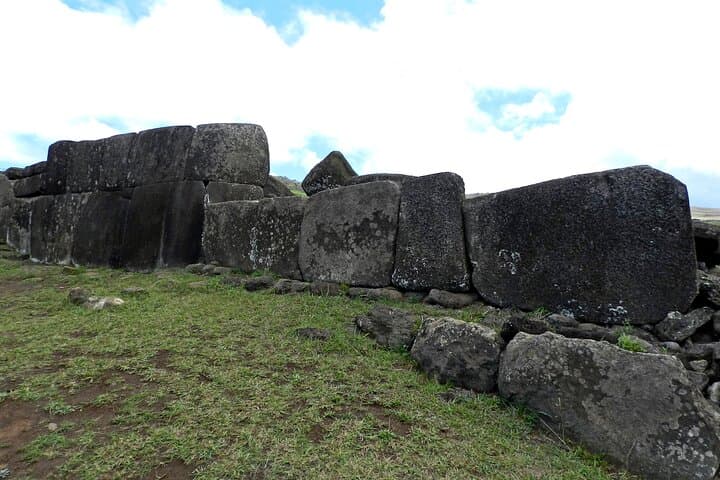
This is a six-hour guided tour that typically includes Ahu Akivi, Ana Te Pahu, Puna Pau, Vinapu, Rano Kau, Orongo and select viewpoints.
The tour involves uneven ground and short climbs; not recommended for people with serious mobility limitations or spinal issues—children should be supervised on cliff edges and uneven terrain.
Most small-site visits are included in the guided itinerary and transport, but confirm with the operator whether any specific park fees or museum admissions are extra.
Guides commonly speak Spanish and English; check booking details if you require another language or a private guide for interpretation.
Rapa Nui was settled by Polynesians between 1200–1500 CE; its monumental moai and the later Birdman cult reflect a concentrated cultural evolution tied to the island’s volcanic geography.
Visitor impact and erosion are managed through controlled access to key sites and local conservation programs; stick to marked paths and follow guide instructions to protect fragile archaeological areas.
Hotumatur RapaNui operates guided outdoor trips and adventures with an emphasis on safety, stewardship, and memorable experiences.
Early light spills across wind-creased grass as the van eases out of Hanga Roa and the island’s stone faces come into view.
Early light spills across wind-creased grass as the van eases out of Hanga Roa and the island’s stone faces come into view.
This full-day tour threads the island’s essential sites — Ahu Akivi’s seven moai staring toward the Pacific, the red scoria quarries at Puna Pau, the cavern network of Ana Te Pahu, and the cliff-top ceremonial village of Orongo overlooking Rano Kau. Geology and culture sit side by side here: volcanic tuff and lava flows shaped the low, undulating terrain while centuries of Polynesian carving gave the moai their memorable profiles.
Rapa Nui’s human story is compact and dramatic — initial Polynesian settlement, a flowering of monumental sculpture, and later social change centered on the Birdman competitions at Orongo. Guides on this route typically frame those events against clear geological markers (crater rims, quarry scars) and living traditions in Hanga Roa.
Expect mostly short walks at each stop with some uneven ground and short climbs to viewpoints. The day mixes sheltered cave passages and exposed coastal rims where wind and sun become active participants; bring sun protection and a light wind layer. Guides generally provide context, local stories, and transport between dispersed sites, making this an efficient way to cover the island’s highlights in six hours.
Timing matters: mornings are cooler and less windy at the crater rim, while late afternoon light softens the moai’s carved features. Practically, plan for moderate fitness, layered clothing, and reliable footwear to move comfortably between archaeological platforms, short trails, and the occasional rocky scramble.