THE ADVENTURE COLLECTIVE® · Independent discovery and booking for outdoor travel

A private full-day circuit of Rapa Nui that covers Rano Raraku, Ahu Tongariki, Orongo and Anakena with a local guide. Expect eight hours of coastal winds, volcanic terrain, and close encounters with the island’s Moai and cultural history.
A private full-day circuit of Rapa Nui that covers Rano Raraku, Ahu Tongariki, Orongo and Anakena with a local guide. Expect eight hours of coastal winds, volcanic terrain, and close encounters with the island’s Moai and cultural history.
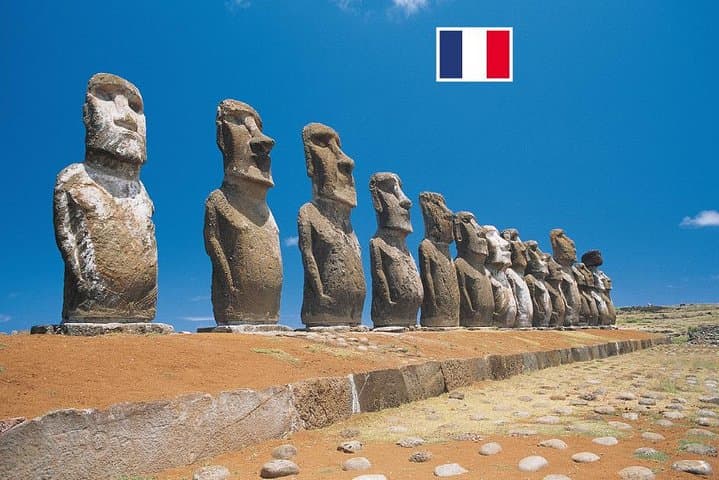
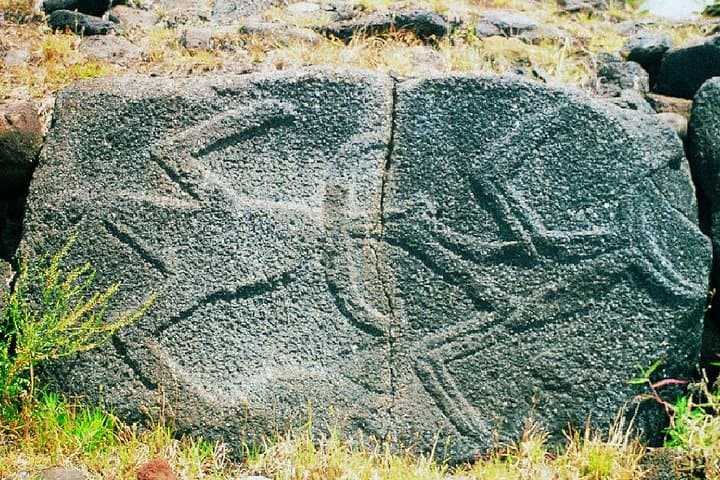
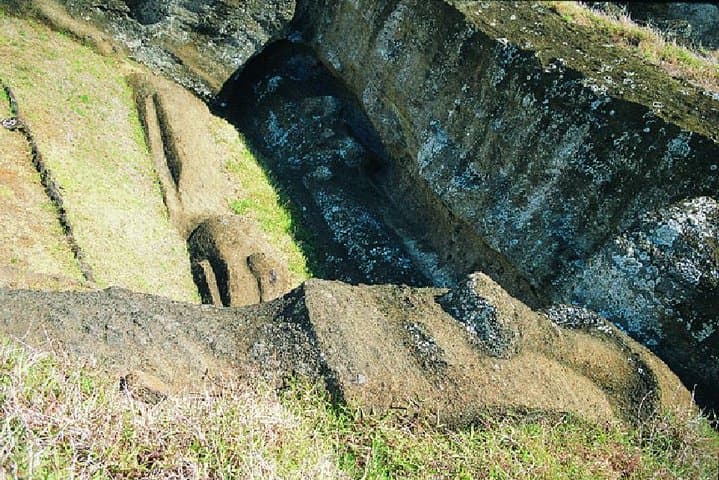
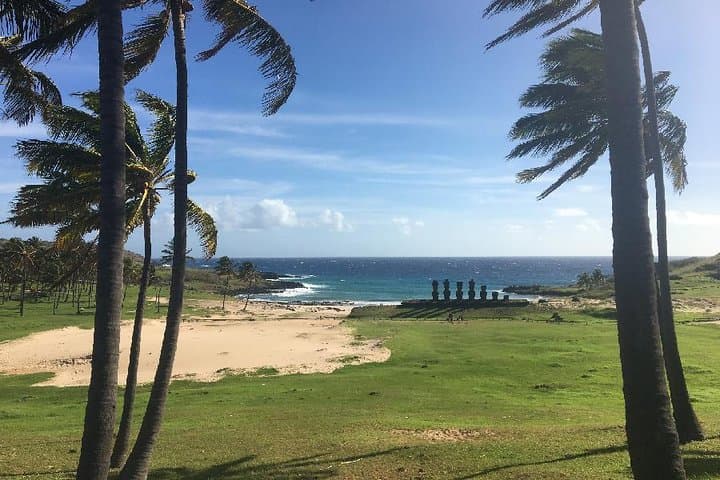
You step from the van into a Pacific wind that seems to rewrite the coastline every hour — salt on your lips, volcanic scree underfoot, the silhouettes of Moai facing inland like patient hosts. The private circuit moves with intention: Rano Raraku’s half-carved figures loom amid tuff and basalt, Ahu Tongariki aligns with the horizon for dramatic sunrise light, Orongo perches on a crater rim where the Birdman cult once judged leadership, and Anakena offers a sudden palette shift to white sand and coconut trees.
Verified experiences and guided adventures in the surrounding area.
Operated by AROHA TOURS RAPA NUI · Hanga Roa, Valparaíso Region
You step from the van into a Pacific wind that seems to rewrite the coastline every hour — salt on your lips, volcanic scree underfoot, the silhouettes of Moai facing inland like patient hosts. The private circuit moves with intention: Rano Raraku’s half-carved figures loom amid tuff and basalt, Ahu Tongariki aligns with the horizon for dramatic sunrise light, Orongo perches on a crater rim where the Birdman cult once judged leadership, and Anakena offers a sudden palette shift to white sand and coconut trees.
Easter Island’s geology is young and volcanic: overlapping cones of tuff and basalt created the island’s bowls and quarries. Rapanui culture produced the island’s stone giants between roughly 13th–17th centuries CE; later social and ecological stresses changed settlement patterns, leaving archaeological layers that modern researchers and local communities interpret together.
Local guides from Hanga Roa will tailor the day to avoid crowds and explain carving techniques, astronomical alignments, and the oral histories that still shape life today. Practical notes become part of the rhythm: the park entrance fee (paid locally) covers multiple sites for ten days; facilities are basic at many viewpoints; photography is excellent at golden hour but requires hiking short, uneven stretches.
Plan on a full eight hours with short walks on uneven volcanic terrain, sun exposure, and coastal winds. Bring sun protection, at least 2 liters of water, sturdy shoes, cash for the National Park ticket, and a respectful attitude — the Moai are cultural icons, not props. Move slowly through the sites, stay on marked paths, and let the island’s contours set the pace of the visit.
easy.
8 hours.
Suitable for general travelers who can walk short distances on uneven ground; no sustained fitness requirement.
You can buy it on arrival in Hanga Roa or at the airport; many operators will assist for cash payment—plan to carry USD cash just in case.
This private full-day excursion includes several short walks (10–40 minutes) over uneven volcanic terrain; it’s rated easy but requires steady footing.
Facilities are limited; main sites like Anakena and Hanga Roa have basic restrooms, but smaller viewpoints often do not, so plan accordingly.
No — touching or climbing on archaeological features is prohibited to protect fragile stone and out of respect for local cultural practices.
Polynesian settlers arrived centuries before European contact and carved Moai primarily between roughly the 13th and 17th centuries; social change and resource pressures reshaped the island’s settlements afterward.
Rapa Nui National Park protects archaeological sites; visitors should remain on marked paths, avoid touching carvings, and support certified local guides to minimize impact.
AROHA TOURS RAPA NUI operates guided outdoor trips and adventures with an emphasis on safety, stewardship, and memorable experiences.
You step from the van into a Pacific wind that seems to rewrite the coastline every hour — salt on your lips, volcanic scree underfoot, the silhouettes of Moai facing inland like patient hosts. The private circuit moves with intention: Rano Raraku’s half-carved figures loom amid tuff and basalt, Ahu Tongariki aligns with the horizon for dramatic sunrise light, Orongo perches on a crater rim where the Birdman cult once judged leadership, and Anakena offers a sudden palette shift to white sand and coconut trees.
You step from the van into a Pacific wind that seems to rewrite the coastline every hour — salt on your lips, volcanic scree underfoot, the silhouettes of Moai facing inland like patient hosts. The private circuit moves with intention: Rano Raraku’s half-carved figures loom amid tuff and basalt, Ahu Tongariki aligns with the horizon for dramatic sunrise light, Orongo perches on a crater rim where the Birdman cult once judged leadership, and Anakena offers a sudden palette shift to white sand and coconut trees.
Easter Island’s geology is young and volcanic: overlapping cones of tuff and basalt created the island’s bowls and quarries. Rapanui culture produced the island’s stone giants between roughly 13th–17th centuries CE; later social and ecological stresses changed settlement patterns, leaving archaeological layers that modern researchers and local communities interpret together.
Local guides from Hanga Roa will tailor the day to avoid crowds and explain carving techniques, astronomical alignments, and the oral histories that still shape life today. Practical notes become part of the rhythm: the park entrance fee (paid locally) covers multiple sites for ten days; facilities are basic at many viewpoints; photography is excellent at golden hour but requires hiking short, uneven stretches.
Plan on a full eight hours with short walks on uneven volcanic terrain, sun exposure, and coastal winds. Bring sun protection, at least 2 liters of water, sturdy shoes, cash for the National Park ticket, and a respectful attitude — the Moai are cultural icons, not props. Move slowly through the sites, stay on marked paths, and let the island’s contours set the pace of the visit.