THE ADVENTURE COLLECTIVE® · Independent discovery and booking for outdoor travel

Make a long day from Cusco into a vivid high-altitude walk to Vinicunca—Rainbow Mountain. Expect a predawn start, a short steep hike to 5,036 m, and striking mineral stripes with views of Ausangate.
Make a long day from Cusco into a vivid high-altitude walk to Vinicunca—Rainbow Mountain. Expect a predawn start, a short steep hike to 5,036 m, and striking mineral stripes with views of Ausangate.
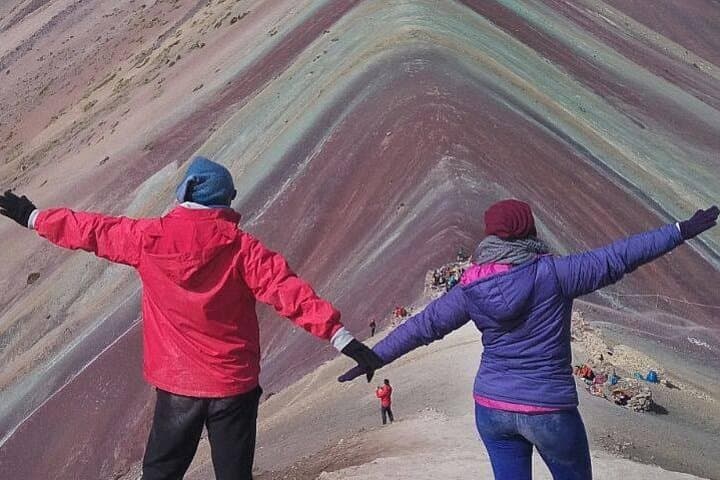
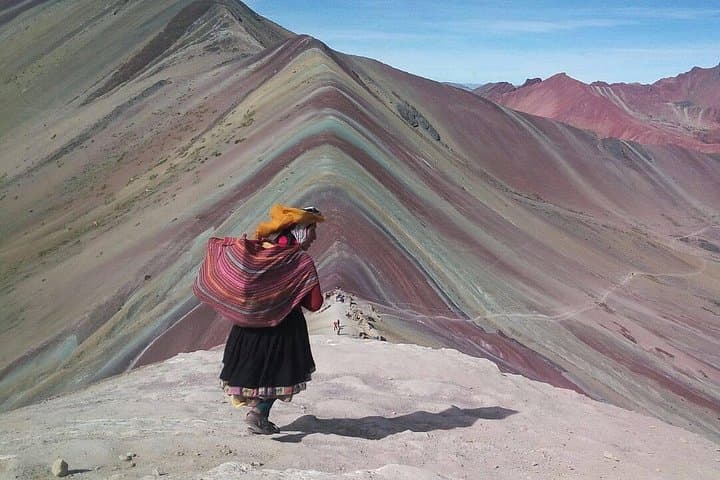
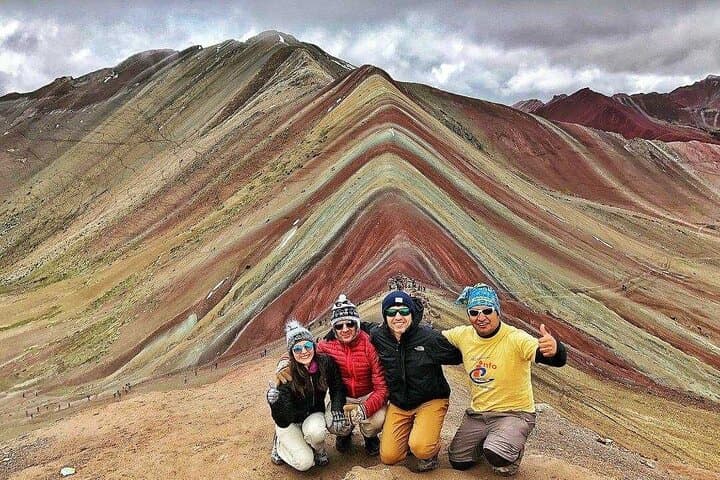
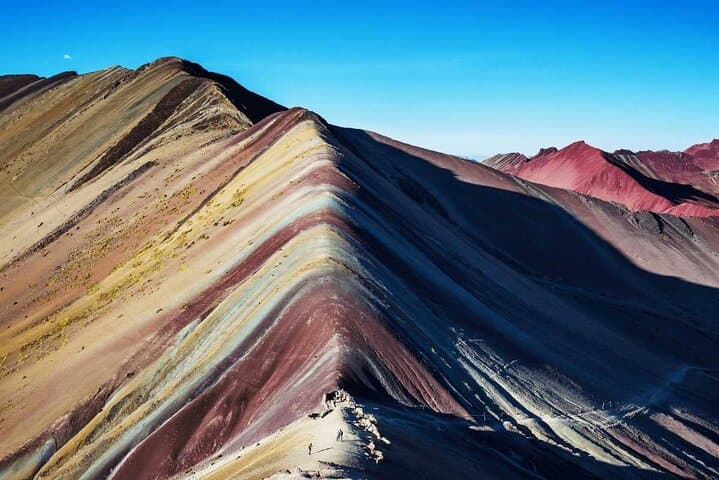
A predawn van threads out of Cusco and the Andes open like a page of geological history: jagged peaks, a frost-white outline of Ausangate, and high puna grasslands shivering under the first light. By midmorning you’re on a short but steep trail that climbs to 5,036 meters, the colors of Vinicunca revealing themselves in stripes of ochre, rose, and mint as wind and sun play across exposed mineral bands.
Verified experiences and guided adventures in the surrounding area.
Operated by INFOCUSCO · Cusco, Cusco Region
A predawn van threads out of Cusco and the Andes open like a page of geological history: jagged peaks, a frost-white outline of Ausangate, and high puna grasslands shivering under the first light. By midmorning you’re on a short but steep trail that climbs to 5,036 meters, the colors of Vinicunca revealing themselves in stripes of ochre, rose, and mint as wind and sun play across exposed mineral bands.
Geologically the stripes are iron oxides, clays and other sediments laid down and uplifted over millions of years; recent deglaciation exposed the layered hues that made this ridge famous. Culturally, the route crosses Llaqto and other Quechua communities whose herders tend llamas and alpacas—local stewards who still read weather and pasture with quiet authority.
Expect a 4 AM pickup, a two-hour drive to the trailhead, and roughly 1.5 hours of uphill walking to the viewpoint—short distance but high altitude. Guides typically explain the mountain’s formation and point out alternative red-valley viewpoints for broader vistas of the Andean desert.
Practical guidance: prioritize acclimatization—spend a day in Cusco, hydrate, and avoid heavy exertion before the hike. Dress in windproof layers, bring sun protection, and carry snacks and at least 1.5 liters of water. Footing is variable: compacted dirt, scree and occasional mud after rain.
Time your visit during the dry season for clearer skies, and stay on trail to limit erosion and respect grazing lands. The payoff is immediate: a high-altitude panorama where geology, climate change, and living culture meet on a brilliantly colored ridge.
moderate.
10–14 hours (door-to-door).
Moderate cardiovascular fitness; able to hike 1–2 hours uphill at high altitude.
The trail is short (about 1–2 hours uphill) but steep and at high altitude—expect heavy breathing; moderate fitness and acclimatization are important.
Typical inclusions are hotel pickup, transport by bus, a guide, breakfast, and lunch at a restaurant after the hike.
This tour is not recommended for children under 12, pregnant travelers, or people with serious cardiovascular or spinal conditions due to altitude and terrain.
The dry season (May–September) offers the clearest skies and more reliable trail conditions, though the mountain is accessible year-round with variable weather.
Vinicunca’s colorful exposure is recent in tourist terms—glacial retreat and erosion have revealed sedimentary stripes long present in the rock, and nearby Ausangate remains a sacred Apu in Andean cosmology.
High foot traffic causes trail erosion; follow guides, stay on marked paths, and support local operators who invest tourism revenue back into community and trail maintenance.
INFOCUSCO operates guided outdoor trips and adventures with an emphasis on safety, stewardship, and memorable experiences.
A predawn van threads out of Cusco and the Andes open like a page of geological history: jagged peaks, a frost-white outline of Ausangate, and high puna grasslands shivering under the first light. By midmorning you’re on a short but steep trail that climbs to 5,036 meters, the colors of Vinicunca revealing themselves in stripes of ochre, rose, and mint as wind and sun play across exposed mineral bands.
A predawn van threads out of Cusco and the Andes open like a page of geological history: jagged peaks, a frost-white outline of Ausangate, and high puna grasslands shivering under the first light. By midmorning you’re on a short but steep trail that climbs to 5,036 meters, the colors of Vinicunca revealing themselves in stripes of ochre, rose, and mint as wind and sun play across exposed mineral bands.
Geologically the stripes are iron oxides, clays and other sediments laid down and uplifted over millions of years; recent deglaciation exposed the layered hues that made this ridge famous. Culturally, the route crosses Llaqto and other Quechua communities whose herders tend llamas and alpacas—local stewards who still read weather and pasture with quiet authority.
Expect a 4 AM pickup, a two-hour drive to the trailhead, and roughly 1.5 hours of uphill walking to the viewpoint—short distance but high altitude. Guides typically explain the mountain’s formation and point out alternative red-valley viewpoints for broader vistas of the Andean desert.
Practical guidance: prioritize acclimatization—spend a day in Cusco, hydrate, and avoid heavy exertion before the hike. Dress in windproof layers, bring sun protection, and carry snacks and at least 1.5 liters of water. Footing is variable: compacted dirt, scree and occasional mud after rain.
Time your visit during the dry season for clearer skies, and stay on trail to limit erosion and respect grazing lands. The payoff is immediate: a high-altitude panorama where geology, climate change, and living culture meet on a brilliantly colored ridge.