THE ADVENTURE COLLECTIVE® · Independent discovery and booking for outdoor travel

Experience the high-altitude spectacle of Vinicunca on a full-day guided trek from Cusco. This practical guide covers what you’ll see, why the colors exist, and how to prepare for the altitude and variable weather.
Experience the high-altitude spectacle of Vinicunca on a full-day guided trek from Cusco. This practical guide covers what you’ll see, why the colors exist, and how to prepare for the altitude and variable weather.
You step out into a thin, cold air before dawn; the Andes open like a page turned slowly, and your first view is a ribbon of road cutting through puna grass. In the morning light the mountain slopes look skeletal, then suddenly shift to bands of ochre, rose, and teal—Vinicunca, the “Rainbow Mountain,” revealing colors born of mineral strata and glacial sculpting.
Verified experiences and guided adventures in the surrounding area.
Operated by Luxury Machupicchu · Cusco, Cusco Region
You step out into a thin, cold air before dawn; the Andes open like a page turned slowly, and your first view is a ribbon of road cutting through puna grass. In the morning light the mountain slopes look skeletal, then suddenly shift to bands of ochre, rose, and teal—Vinicunca, the “Rainbow Mountain,” revealing colors born of mineral strata and glacial sculpting.
This route sits on the eastern flanks of the Vilcanota range, formed by volcanic ash, iron-oxide, and sedimentary layers uplifted and exposed by tectonics and ice. Local Quechua communities have grazed llamas and alpacas here for centuries, and nearby Ausangate is still treated as an Apu—a sacred mountain—by highland farmers who maintain traditional pathways and seasonal grazing cycles.
From a practical angle: expect a full-day outing from Cusco with roughly 2–3 hours ascending on a wide but unpaved trail, and high-altitude conditions above 4,800 m (15,750 ft). Weather changes fast—sun, wind, dust, and sudden showers are common—so plan layers and waterproof footwear. Guides typically include breakfast, lunch, transfers, and admission; groups run up to ~19 people.
For acclimatized hikers the effort is rewarding: sweeping valley views, red clay escarpments, and encounters with grazing camelids. To prepare, hydrate in advance, sleep low and move slow, and carry sunscreen, snacks, and a warm jacket. Respect fragile puna habitat—stay on the trail, pack out waste, and leave grazing areas undisturbed.
moderate.
8 hours.
Should be in good cardio condition for a 2–3 hour uphill at high altitude; prior hiking experience helpful
The uphill section typically takes 1.5–2.75 hours depending on fitness and acclimatization, with the full tour running about 8 hours including transfers.
Yes—Vinicunca sits above 4,800 m; even fit travelers can feel symptoms. Allow time in Cusco to acclimatize, hydrate, and ascend slowly.
The dry season (May–September) offers clearer skies and firmer trails; afternoons can still bring wind and sudden weather shifts.
This trek is not recommended for pregnant travelers or those with serious spinal or cardiovascular issues due to altitude and physical strain.
The area is part of Quechua-speaking highland communities historically linked to the Ausangate pilgrimage routes; mineral bands are exposed by uplift and erosion.
The puna ecosystem is fragile—stick to marked trails, avoid disturbing grazing livestock, and carry out all waste to minimize impact.
Luxury Machupicchu operates guided outdoor trips and adventures with an emphasis on safety, stewardship, and memorable experiences.
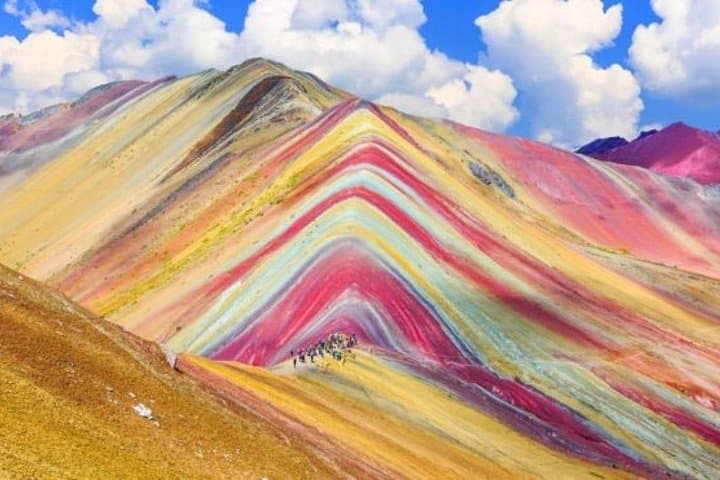
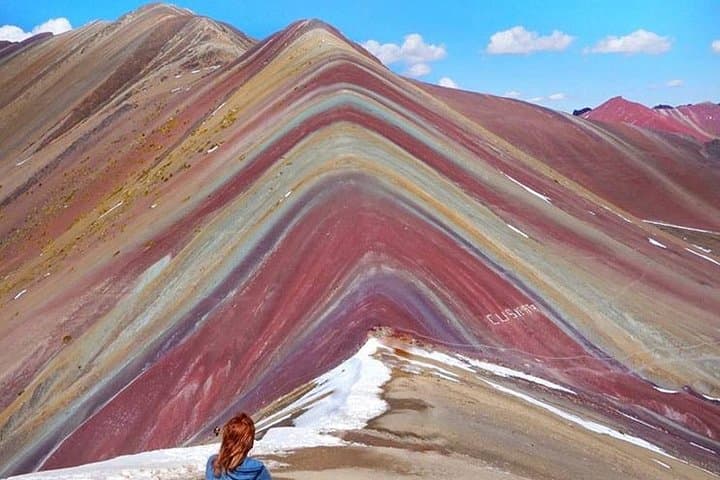
You step out into a thin, cold air before dawn; the Andes open like a page turned slowly, and your first view is a ribbon of road cutting through puna grass. In the morning light the mountain slopes look skeletal, then suddenly shift to bands of ochre, rose, and teal—Vinicunca, the “Rainbow Mountain,” revealing colors born of mineral strata and glacial sculpting.
You step out into a thin, cold air before dawn; the Andes open like a page turned slowly, and your first view is a ribbon of road cutting through puna grass. In the morning light the mountain slopes look skeletal, then suddenly shift to bands of ochre, rose, and teal—Vinicunca, the “Rainbow Mountain,” revealing colors born of mineral strata and glacial sculpting.
This route sits on the eastern flanks of the Vilcanota range, formed by volcanic ash, iron-oxide, and sedimentary layers uplifted and exposed by tectonics and ice. Local Quechua communities have grazed llamas and alpacas here for centuries, and nearby Ausangate is still treated as an Apu—a sacred mountain—by highland farmers who maintain traditional pathways and seasonal grazing cycles.
From a practical angle: expect a full-day outing from Cusco with roughly 2–3 hours ascending on a wide but unpaved trail, and high-altitude conditions above 4,800 m (15,750 ft). Weather changes fast—sun, wind, dust, and sudden showers are common—so plan layers and waterproof footwear. Guides typically include breakfast, lunch, transfers, and admission; groups run up to ~19 people.
For acclimatized hikers the effort is rewarding: sweeping valley views, red clay escarpments, and encounters with grazing camelids. To prepare, hydrate in advance, sleep low and move slow, and carry sunscreen, snacks, and a warm jacket. Respect fragile puna habitat—stay on the trail, pack out waste, and leave grazing areas undisturbed.