THE ADVENTURE COLLECTIVE® · Independent discovery and booking for outdoor travel

Experience the otherworldly bands of Vinicunca on a full-day guided hike from Cusco. This high-altitude trek combines striking geology, Quechua cultural layers and practical challenges around acclimatization and terrain.
Experience the otherworldly bands of Vinicunca on a full-day guided hike from Cusco. This high-altitude trek combines striking geology, Quechua cultural layers and practical challenges around acclimatization and terrain.
At first light the trail unspools beneath a thin blue sky and the Andes feel both harsh and candid: wind pushing, stones settling, and thin air that forces a steady, careful breath.
Verified experiences and guided adventures in the surrounding area.
Operated by Machupicchu Touring · Cusco, Cusco
At first light the trail unspools beneath a thin blue sky and the Andes feel both harsh and candid: wind pushing, stones settling, and thin air that forces a steady, careful breath.
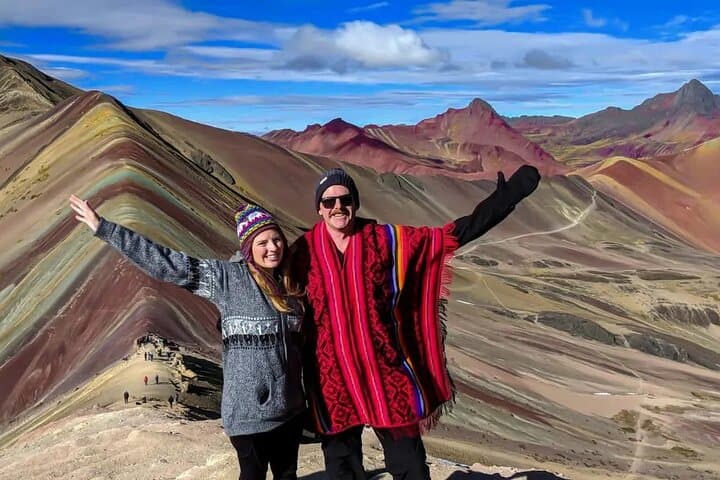
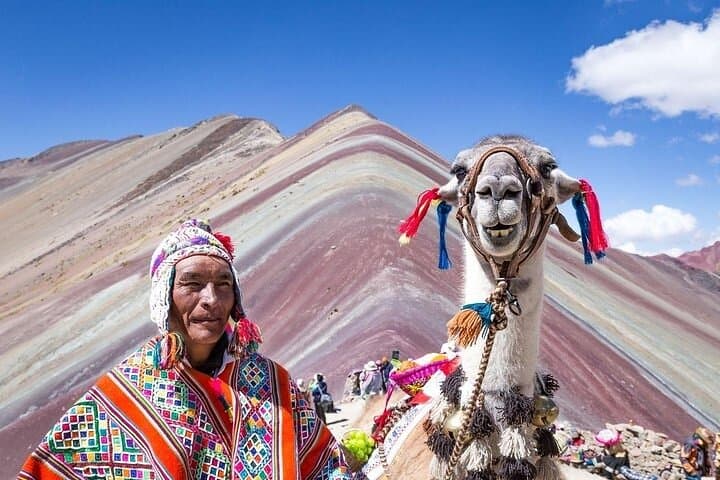
The final slope at 5,000 meters opens like a painted ridge — bands of iron-rich red, ochre, green and violet laid across folded sedimentary layers — and the view demands a quiet, measured appreciation. Historically this flank of the Ausangate massif sat within trade and pilgrimage routes for Quechua communities, and the colored strata are the product of uplifted sediment, mineral oxidation and glacial polish over millennia.
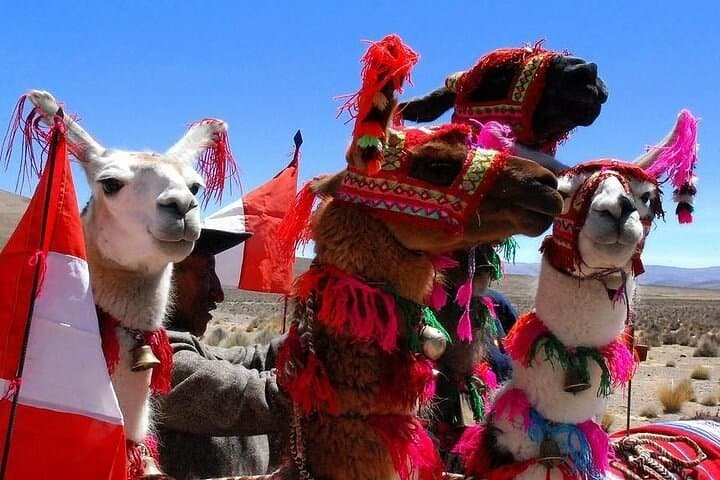
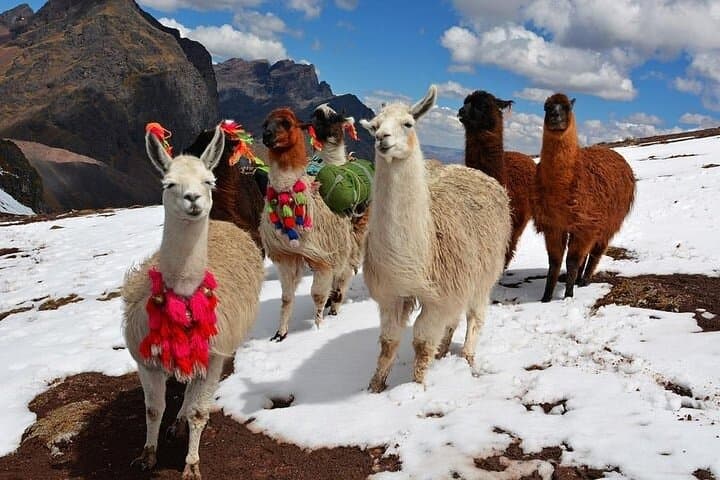
Locally the mountain is part landscape, part cultural marker: herder camps dot the puna and llamas browse the high grass while guides share straightforward Quechua and Inca-era context between checkpoints.
Practically, expect a long day: pick-up from Cusco early morning, several hours in an air-conditioned van, and a 3–4 hour round-trip walk with steep sections and loose scree. Altitude is the real challenge — even fit hikers feel the change above 4,000 m — so pace, hydration and short acclimatization walks before the summit make the difference.
Wear waterproof boots with good traction, layer for sharp temperature swings, and carry a sun hat, sunscreen and at least 2 liters of water. Tours commonly include breakfast, lunch and oxygen assistance; heavy packs stay in the van. Timing a visit for mid-morning to early afternoon reduces wind exposure and gives softer light on the colors, while leaving time for descent before late afternoon weather shifts.
challenging.
12 hours.
Good cardiovascular fitness and prior hiking experience at altitude recommended; expect sustained uphill walking and variable footing.
The route is physically demanding because of elevation (around 5,000 m); even short steep sections feel harder. Prior acclimatization and a slow pace help most visitors succeed.
Most operators include oxygen assistance for short use, plus breakfast and lunch during the full-day tour.
Yes if they have moderate fitness and have spent time in Cusco beforehand; people with heart or severe respiratory issues, and pregnant travelers, are usually advised not to go.
Expect a mix of packed dirt, loose scree and occasional muddy patches; traction and ankle support are important, especially after rain.
The area sits within traditional Quechua lands and was shaped by Andean uplift and glacial activity; Ausangate has long held ritual significance for local communities.
High-altitude puna soils are fragile — stay on marked trails, pack out all trash and minimize disturbance to grazing herds; support community-led guiding to keep tourism benefits local.
Machupicchu Touring operates guided outdoor trips and adventures with an emphasis on safety, stewardship, and memorable experiences.
At first light the trail unspools beneath a thin blue sky and the Andes feel both harsh and candid: wind pushing, stones settling, and thin air that forces a steady, careful breath.
At first light the trail unspools beneath a thin blue sky and the Andes feel both harsh and candid: wind pushing, stones settling, and thin air that forces a steady, careful breath.
The final slope at 5,000 meters opens like a painted ridge — bands of iron-rich red, ochre, green and violet laid across folded sedimentary layers — and the view demands a quiet, measured appreciation. Historically this flank of the Ausangate massif sat within trade and pilgrimage routes for Quechua communities, and the colored strata are the product of uplifted sediment, mineral oxidation and glacial polish over millennia.
Locally the mountain is part landscape, part cultural marker: herder camps dot the puna and llamas browse the high grass while guides share straightforward Quechua and Inca-era context between checkpoints.
Practically, expect a long day: pick-up from Cusco early morning, several hours in an air-conditioned van, and a 3–4 hour round-trip walk with steep sections and loose scree. Altitude is the real challenge — even fit hikers feel the change above 4,000 m — so pace, hydration and short acclimatization walks before the summit make the difference.
Wear waterproof boots with good traction, layer for sharp temperature swings, and carry a sun hat, sunscreen and at least 2 liters of water. Tours commonly include breakfast, lunch and oxygen assistance; heavy packs stay in the van. Timing a visit for mid-morning to early afternoon reduces wind exposure and gives softer light on the colors, while leaving time for descent before late afternoon weather shifts.