THE ADVENTURE COLLECTIVE® · Independent discovery and booking for outdoor travel

A full-day excursion from Cusco to Vinicunca (Rainbow Mountain) that combines a 5–6 km high‑altitude hike with sweeping Andean views and local cultural context. Read on for what to expect, how to prepare, and practical trail tips.
A full-day excursion from Cusco to Vinicunca (Rainbow Mountain) that combines a 5–6 km high‑altitude hike with sweeping Andean views and local cultural context. Read on for what to expect, how to prepare, and practical trail tips.
Dawn in the high Andes feels immediate: thin, cold air that sharpens color and sound as the van climbs away from Cusco and the landscape opens to puna grass and jagged ridgelines.
Verified experiences and guided adventures in the surrounding area.
Operated by Business Woman Cusco · Cusco, Cusco Region
Dawn in the high Andes feels immediate: thin, cold air that sharpens color and sound as the van climbs away from Cusco and the landscape opens to puna grass and jagged ridgelines.
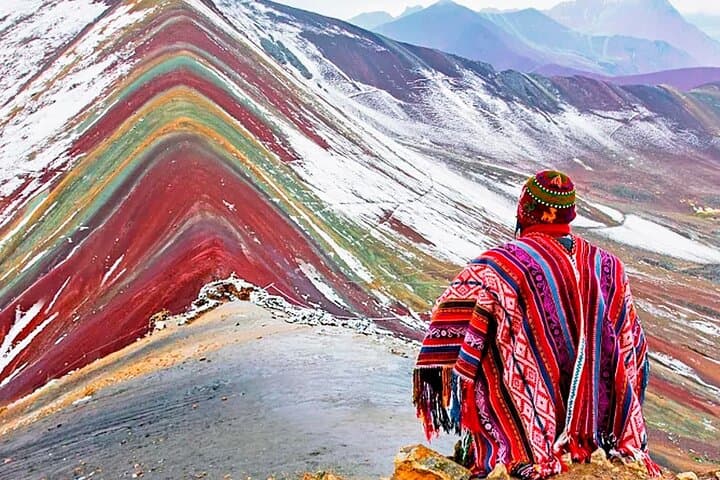
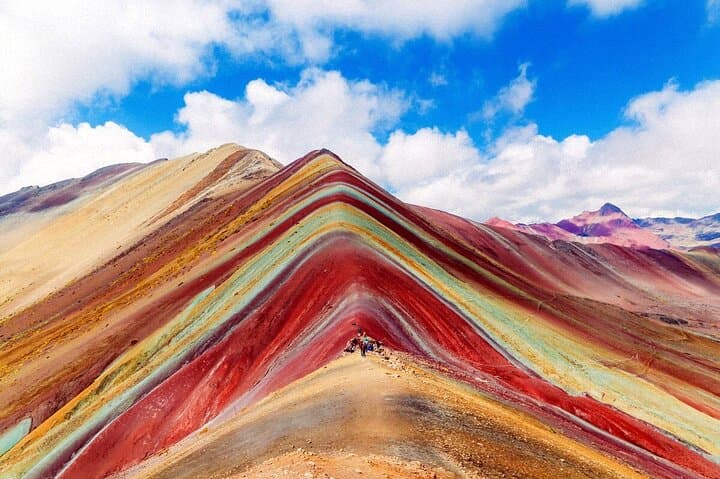
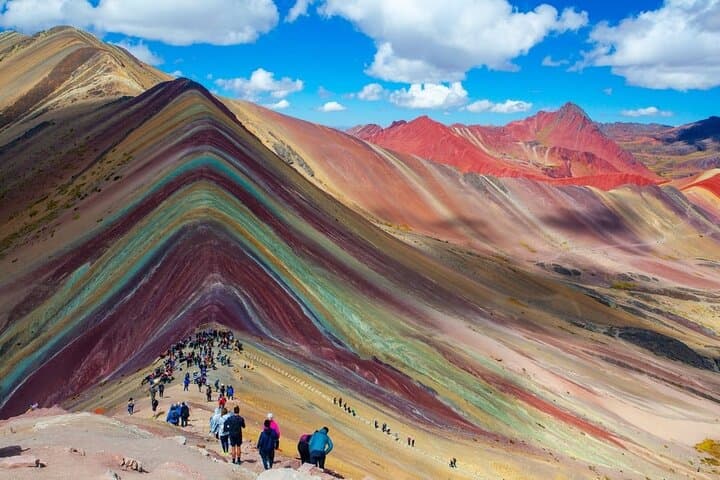
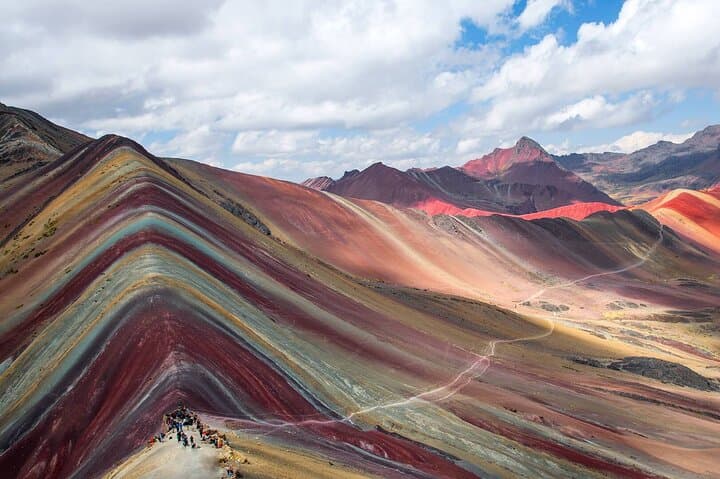
By 7:30 a.m. you step onto a trail that moves steadily upward for 5–6 km, the path pushing you through wide, wind-swept plateaus toward Vinicunca — the Rainbow Mountain — where iron oxides and mineral layers give the slope streaks of red, yellow, and turquoise.
The mountain’s stripes are recent revelations in tourism, but the region’s geology is ancient: folded sedimentary layers uplifted by the Andean orogeny and later altered by mineral leaching and glacial action. Culturally the route crosses lands long used by Quechua communities; you may pass herders with llamas and see textile patterns echoing local dye sources.
Expect thin air and sharp weather shifts — clear mornings can flip to wind and sleet by midday. Guides adapt pace and provide local context, from historic mule tracks to the role of alpaca grazing in the highlands.
Practical guidance: acclimatize in Cusco for 48–72 hours, carry 2–3 liters of water, and layer for wind and sun. Trail footing is compacted earth with occasional rock; trekking poles aid balance on descent. Photography windows are best early and late when shadows sculpt the color bands.
The day is long (about 13 hours round-trip including transfers), but the route is straightforward and rewarding — a high-altitude walk that pairs raw Andean geology with living culture and practical, exacting preparation.
challenging.
13 hours (including transport).
Good cardiovascular fitness and prior moderate hiking experience recommended due to sustained altitude and long day.
The trail from the trailhead is about 5–6 km each way with moderate to steep sections; difficulty is primarily due to altitude rather than technical terrain.
Possibly — even fit travelers can feel symptoms. Spend 48–72 hours in Cusco to acclimatize, hydrate, and ascend at a steady pace; guides can advise if symptoms worsen.
Lunch at a local restaurant is typically included; bring snacks and sufficient water for the hike itself.
The dry season (May–September) offers the most stable weather and clearer views, though mornings are cold year-round.
The area sits within Andean pastoral landscapes long used by Quechua communities; trails follow routes that connected highland settlements and grazing pastures for centuries.
High visitor numbers stress fragile puna vegetation and soil; stick to paths, avoid trampling grassland, and support local guides who practice low-impact tourism.
Business Woman Cusco operates guided outdoor trips and adventures with an emphasis on safety, stewardship, and memorable experiences.
Dawn in the high Andes feels immediate: thin, cold air that sharpens color and sound as the van climbs away from Cusco and the landscape opens to puna grass and jagged ridgelines.
Dawn in the high Andes feels immediate: thin, cold air that sharpens color and sound as the van climbs away from Cusco and the landscape opens to puna grass and jagged ridgelines.
By 7:30 a.m. you step onto a trail that moves steadily upward for 5–6 km, the path pushing you through wide, wind-swept plateaus toward Vinicunca — the Rainbow Mountain — where iron oxides and mineral layers give the slope streaks of red, yellow, and turquoise.
The mountain’s stripes are recent revelations in tourism, but the region’s geology is ancient: folded sedimentary layers uplifted by the Andean orogeny and later altered by mineral leaching and glacial action. Culturally the route crosses lands long used by Quechua communities; you may pass herders with llamas and see textile patterns echoing local dye sources.
Expect thin air and sharp weather shifts — clear mornings can flip to wind and sleet by midday. Guides adapt pace and provide local context, from historic mule tracks to the role of alpaca grazing in the highlands.
Practical guidance: acclimatize in Cusco for 48–72 hours, carry 2–3 liters of water, and layer for wind and sun. Trail footing is compacted earth with occasional rock; trekking poles aid balance on descent. Photography windows are best early and late when shadows sculpt the color bands.
The day is long (about 13 hours round-trip including transfers), but the route is straightforward and rewarding — a high-altitude walk that pairs raw Andean geology with living culture and practical, exacting preparation.