THE ADVENTURE COLLECTIVE® · Independent discovery and booking for outdoor travel

Spend a full day leaving Quito’s high plain for Baños’ waterfalls, hot springs and the famed Swing at the End of the World. This private tour bundles transport, bilingual guide, lunch and attraction tickets for a focused, active day in the Tungurahua foothills.
Spend a full day leaving Quito’s high plain for Baños’ waterfalls, hot springs and the famed Swing at the End of the World. This private tour bundles transport, bilingual guide, lunch and attraction tickets for a focused, active day in the Tungurahua foothills.
A highland road unwinds from Quito and, within hours, drops you into a green bowl where steam rises from hot springs and waterfalls roar like landed thunder.
Verified experiences and guided adventures in the surrounding area.
Operated by See Galapagos · Baños de Agua Santa, Tungurahua
A highland road unwinds from Quito and, within hours, drops you into a green bowl where steam rises from hot springs and waterfalls roar like landed thunder.
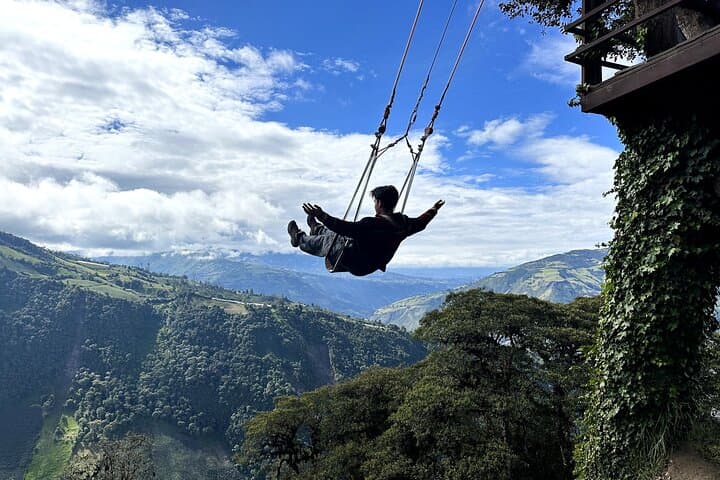
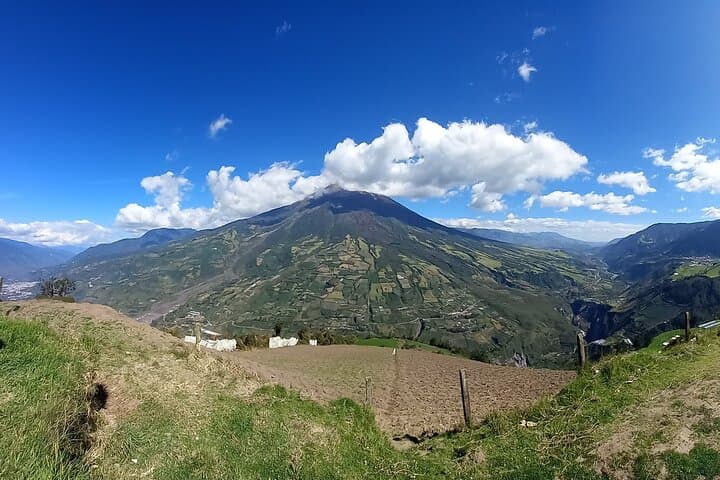
The tour moves with purpose: private transport from Quito, a bilingual guide, and a loop that hits Pailón del Diablo (the Devil’s Cauldron), the Manto de la Novia via tarabita cable car, and the iconic Swing at the End of the World near Casa del Árbol perched on Tungurahua’s slope. Baños sits at roughly 1,820 m, carved by volcanic activity and fed by rivers that dare you to step closer to their spray.
Historically the town grew around thermal baths and the Virgen de Agua Santa pilgrimage; the landscape itself is young—volcanic rock, steep gorges and fast-running Andes streams. Local culture shows in roadside candy shops and the Salasaca market where textiles and Andean craft reflect Kichwa and mestizo influences.
Practically, expect an active eight-to-nine-hour day with short walks, viewpoints, a cable-car ride and a moderate stair descent at some falls. The tour includes lunch, bottled water and attraction tickets; it’s accessible to most fitness levels but not recommended for pregnant travelers.
Bring sturdy, water-resistant footwear and a light rain layer—the weather shifts quickly. Aim to visit outside late-afternoon cloud buildups for clearer views of Tungurahua. Respect marked paths, follow guide instructions at cliffside viewpoints, and carry a camera with a protective case: the spray from falls rewards waterproofing.
easy.
8–9 hours.
Suitable for most travelers with light to moderate mobility; involves short hikes and stairs
The private transfer typically takes about 2.5–3.5 hours each way depending on traffic and stops along the route.
Yes—this tour includes tickets to the listed attractions and a provided lunch as part of the itinerary.
Yes; the itinerary is rated easy but includes stairs and viewpoints with exposure—supervise children and check mobility for older travelers.
Operations depend on safety and weather conditions; guides and operators may restrict access during heavy rain or high winds.
Baños developed around thermal waters and pilgrimage to the Virgen de Agua Santa and grew as an Alpine gateway shaped by volcanic Tungurahua’s eruptions and river-carved canyons.
High visitor numbers stress fragile river corridors—stick to trails, avoid single-use plastics and support local guides and small businesses for sustainable tourism.
See Galapagos operates guided outdoor trips and adventures with an emphasis on safety, stewardship, and memorable experiences.


A highland road unwinds from Quito and, within hours, drops you into a green bowl where steam rises from hot springs and waterfalls roar like landed thunder.
A highland road unwinds from Quito and, within hours, drops you into a green bowl where steam rises from hot springs and waterfalls roar like landed thunder.
The tour moves with purpose: private transport from Quito, a bilingual guide, and a loop that hits Pailón del Diablo (the Devil’s Cauldron), the Manto de la Novia via tarabita cable car, and the iconic Swing at the End of the World near Casa del Árbol perched on Tungurahua’s slope. Baños sits at roughly 1,820 m, carved by volcanic activity and fed by rivers that dare you to step closer to their spray.
Historically the town grew around thermal baths and the Virgen de Agua Santa pilgrimage; the landscape itself is young—volcanic rock, steep gorges and fast-running Andes streams. Local culture shows in roadside candy shops and the Salasaca market where textiles and Andean craft reflect Kichwa and mestizo influences.
Practically, expect an active eight-to-nine-hour day with short walks, viewpoints, a cable-car ride and a moderate stair descent at some falls. The tour includes lunch, bottled water and attraction tickets; it’s accessible to most fitness levels but not recommended for pregnant travelers.
Bring sturdy, water-resistant footwear and a light rain layer—the weather shifts quickly. Aim to visit outside late-afternoon cloud buildups for clearer views of Tungurahua. Respect marked paths, follow guide instructions at cliffside viewpoints, and carry a camera with a protective case: the spray from falls rewards waterproofing.