THE ADVENTURE COLLECTIVE® · Independent discovery and booking for outdoor travel

Spend a full day moving from Quito’s colonial plazas to the high wind-swept ridge of the TelefériQo and the ceremonial Equator line. Expect dramatic altitude shifts, market flavors, and clear practical tips to make the most of your day.
Spend a full day moving from Quito’s colonial plazas to the high wind-swept ridge of the TelefériQo and the ceremonial Equator line. Expect dramatic altitude shifts, market flavors, and clear practical tips to make the most of your day.
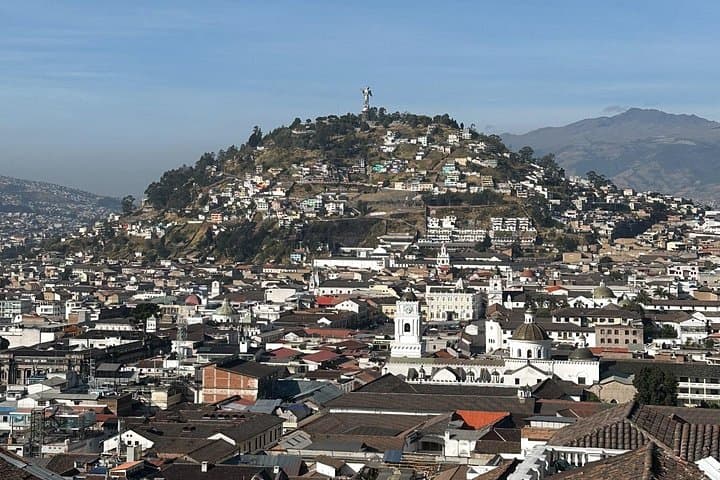
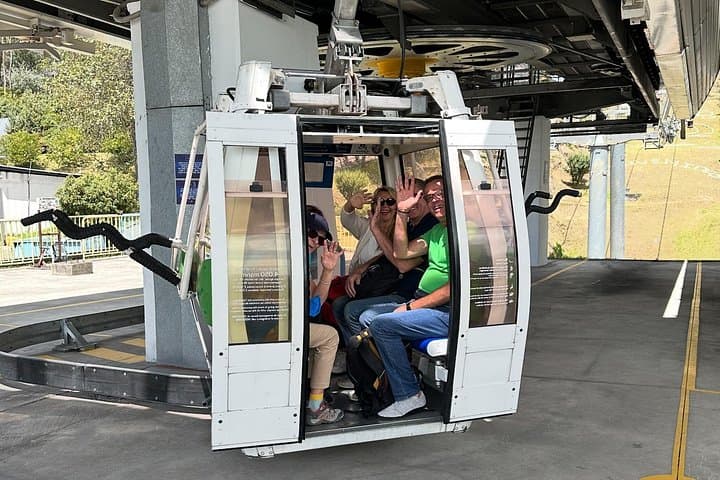
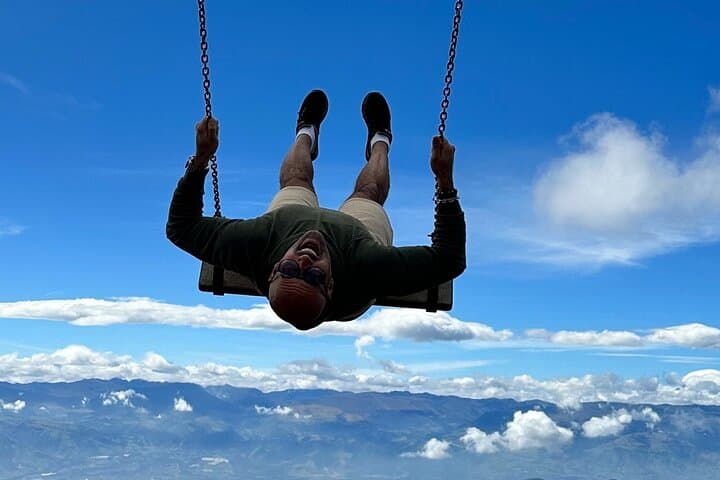
The morning air in Quito is thin and sharp; the city wakes in a bowl of Andean light while the cable car climbs toward 13,000 feet and the horizon folds into volcanic ridgelines. Travelers step from colonial stone plazas into market aisles heaving with tropical fruit, then trade the low, red-tile roofs for the raw altitude of Cruz Loma where wind and view demand attention.
Verified experiences and guided adventures in the surrounding area.
Operated by Ines Ortiz Jaque · Quito, Pichincha
The morning air in Quito is thin and sharp; the city wakes in a bowl of Andean light while the cable car climbs toward 13,000 feet and the horizon folds into volcanic ridgelines. Travelers step from colonial stone plazas into market aisles heaving with tropical fruit, then trade the low, red-tile roofs for the raw altitude of Cruz Loma where wind and view demand attention.
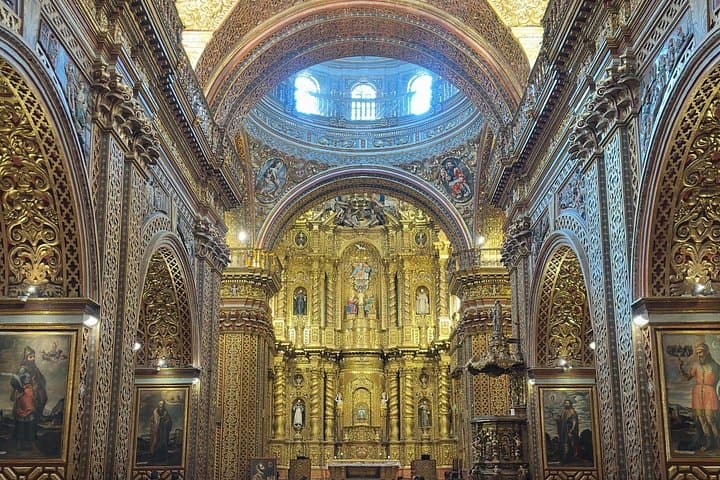
Quito's historic center is one of the first UNESCO World Heritage Sites—its 16th- and 17th-century churches and plazas chronicle Spanish colonial city planning over earlier indigenous paths. Geologically, the city sits on the eastern flank of the western Andes, ringed by volcanoes; the TelefériQo deposits visitors into high páramo terrain that feels entirely different from the bustling streets below. Cultural life runs through local markets and neighborhood eateries where dishes like locro and fritada reflect indigenous and Spanish influence.
Practical guidance: prepare for altitude and microclimates—bring layers, hydrate, and expect temperature swings of 20°F (10°C) or more between plaza and ridge. Morning rides to the cable car often offer the clearest views; afternoons can close in with cloud and drizzle. The Mitad del Mundo monument gives a theatrical equator photo-op—ask your guide about the French Geodesic Mission and the nearby Intiñan site that explains the measured offset between monuments and the true zero latitude.
This private, full-day route covers walking in Quito's Old Town, a cable car ascent, a market stop, and the equator site—allow roughly eight hours with time for a local lunch and short walks; moderate fitness and basic acclimatization make the day comfortable.
moderate.
8 hours.
Suitable for travelers with moderate fitness—short uphill walks and standing at altitude; not strenuous but expect brief climbs and cobbled streets.
The TelefériQo may close in high winds or heavy rain; operators monitor conditions and guides will adjust the itinerary if necessary.
The monument is a cultural landmark; the actual 0° latitude line mapped by later geodesic surveys lies slightly north—Intiñan Museum nearby explains the difference.
Lunch isn’t typically included; the tour stops at local restaurants and markets where guests can choose regional dishes and snacks.
Walking in Old Town and at market areas involves cobbles and steps; the cable car site has steep sections—this tour is not recommended for travelers with serious mobility restrictions.
Quito’s center was declared a UNESCO World Heritage Site in 1978 for its intact colonial grid and monuments; the Mitad del Mundo site commemorates 18th-century geodesic surveying in Ecuador.
Support local guides and vendors, stick to marked trails at high-altitude sites, and avoid single-use plastics to minimize visitor impact on fragile páramo ecosystems.
Ines Ortiz Jaque operates guided outdoor trips and adventures with an emphasis on safety, stewardship, and memorable experiences.
The morning air in Quito is thin and sharp; the city wakes in a bowl of Andean light while the cable car climbs toward 13,000 feet and the horizon folds into volcanic ridgelines. Travelers step from colonial stone plazas into market aisles heaving with tropical fruit, then trade the low, red-tile roofs for the raw altitude of Cruz Loma where wind and view demand attention.
The morning air in Quito is thin and sharp; the city wakes in a bowl of Andean light while the cable car climbs toward 13,000 feet and the horizon folds into volcanic ridgelines. Travelers step from colonial stone plazas into market aisles heaving with tropical fruit, then trade the low, red-tile roofs for the raw altitude of Cruz Loma where wind and view demand attention.
Quito's historic center is one of the first UNESCO World Heritage Sites—its 16th- and 17th-century churches and plazas chronicle Spanish colonial city planning over earlier indigenous paths. Geologically, the city sits on the eastern flank of the western Andes, ringed by volcanoes; the TelefériQo deposits visitors into high páramo terrain that feels entirely different from the bustling streets below. Cultural life runs through local markets and neighborhood eateries where dishes like locro and fritada reflect indigenous and Spanish influence.
Practical guidance: prepare for altitude and microclimates—bring layers, hydrate, and expect temperature swings of 20°F (10°C) or more between plaza and ridge. Morning rides to the cable car often offer the clearest views; afternoons can close in with cloud and drizzle. The Mitad del Mundo monument gives a theatrical equator photo-op—ask your guide about the French Geodesic Mission and the nearby Intiñan site that explains the measured offset between monuments and the true zero latitude.
This private, full-day route covers walking in Quito's Old Town, a cable car ascent, a market stop, and the equator site—allow roughly eight hours with time for a local lunch and short walks; moderate fitness and basic acclimatization make the day comfortable.