THE ADVENTURE COLLECTIVE® · Independent discovery and booking for outdoor travel

Stand on the rim of a 800-year-old volcanic caldera and peer down at a glassy turquoise lagoon. This full-day trip from Quito mixes steep crater hiking, highland markets, Tigua art, and rural Andean culture in one accessible adventure.
Stand on the rim of a 800-year-old volcanic caldera and peer down at a glassy turquoise lagoon. This full-day trip from Quito mixes steep crater hiking, highland markets, Tigua art, and rural Andean culture in one accessible adventure.
The rim of Quilotoa arrives like a sudden stage: you climb out of the Andes’ patchwork pastures and a turquoise circle fills the valley below. Wind pushes the high, thin air; llamas graze slopes and local women in woven hats move between stone houses. At 3,800–3,900 m (about 12,467 ft), the crater holds a vivid lake whose color changes with clouds and sun, daring you to step closer.
Verified experiences and guided adventures in the surrounding area.
Operated by Galapagos My World · Quilotoa, Cotopaxi
The rim of Quilotoa arrives like a sudden stage: you climb out of the Andes’ patchwork pastures and a turquoise circle fills the valley below. Wind pushes the high, thin air; llamas graze slopes and local women in woven hats move between stone houses. At 3,800–3,900 m (about 12,467 ft), the crater holds a vivid lake whose color changes with clouds and sun, daring you to step closer.
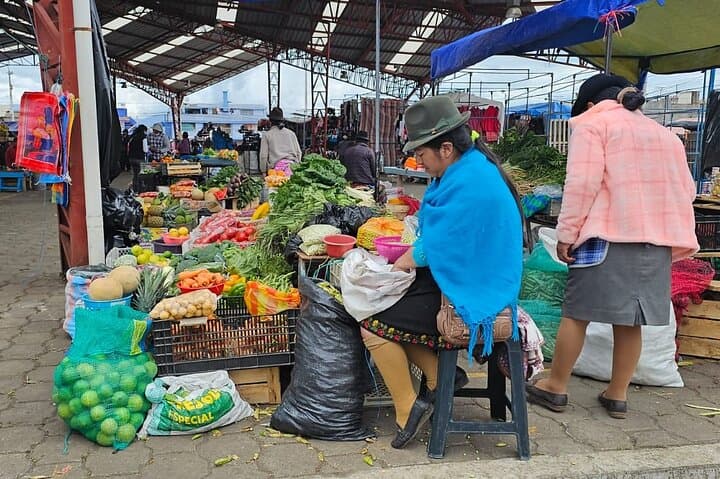
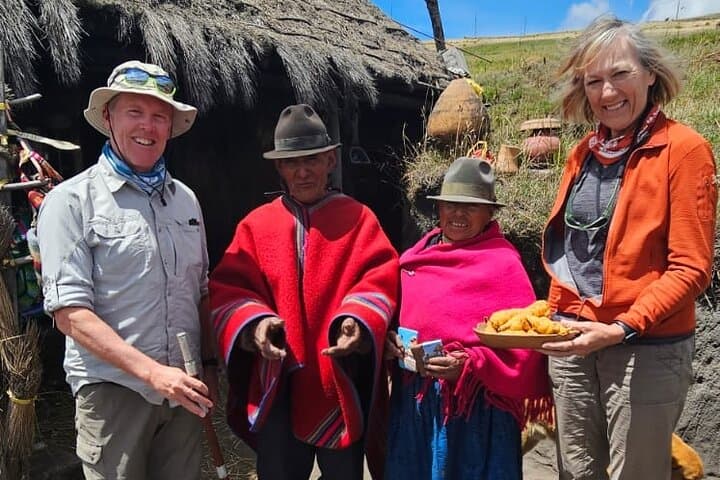
Quilotoa is a water-filled caldera formed in an explosive eruption roughly 800 years ago. The site sits on routes once used by Andean peoples; local communities such as Tigua preserve painting traditions and stories of the Inca era — guides on many tours will point out where an Inca mummy was said to have passed. Geological layers on the rim record violent fire and slow recovery, while small markets along the way sell roasted guinea pig and hand-painted art.
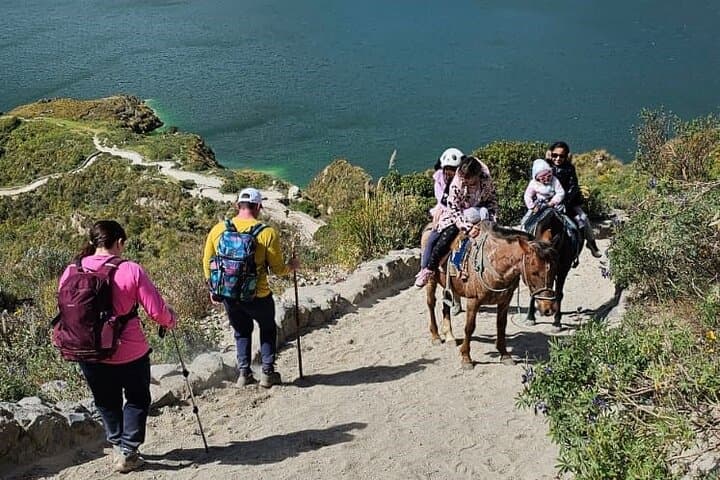
Practically speaking, expect a full day: about nine hours round-trip from Quito with stops at market towns and craft villages. Most visitors hike down to the crater shore — the descent is steep (roughly 300–400 m down) and takes 45–90 minutes depending on fitness; the return is tiring at altitude. Bring layers for sun and wind, plenty of water to prevent altitude headaches, and sturdy boots for loose volcanic scree. Local mule rentals and guides are available for the climb back.
Timing your visit for clear morning light gives the best lake color and easier walking; respect community rules, stick to trails, and budget time to sample local food before the drive back to Quito.
moderate.
8–10 hours.
Moderate fitness — able to hike 45–90 minutes on steep slopes at high altitude; comfortable with long days.
Expect 45–90 minutes down to the crater shore and 60–120 minutes to climb back, depending on pace and altitude effects.
This full-day package typically includes round-trip transport from Quito, a professional guide, and lunch at a community restaurant.
Yes — local mule operators offer rides up the rim for a fee if you prefer to avoid the steep climb back.
Basic restrooms are available near the main lookout and community areas, but facilities can be primitive; carry hand sanitizer and small change.
Quilotoa’s caldera was created by a major eruption about 800 years ago; the area also lies along traditional Andean routes and local communities preserve stories of Inca-era travel.
Trails are community-managed and visitor fees support local services — stay on marked paths, pack out waste, and buy local to support conservation and livelihoods.
Galapagos My World operates guided outdoor trips and adventures with an emphasis on safety, stewardship, and memorable experiences.
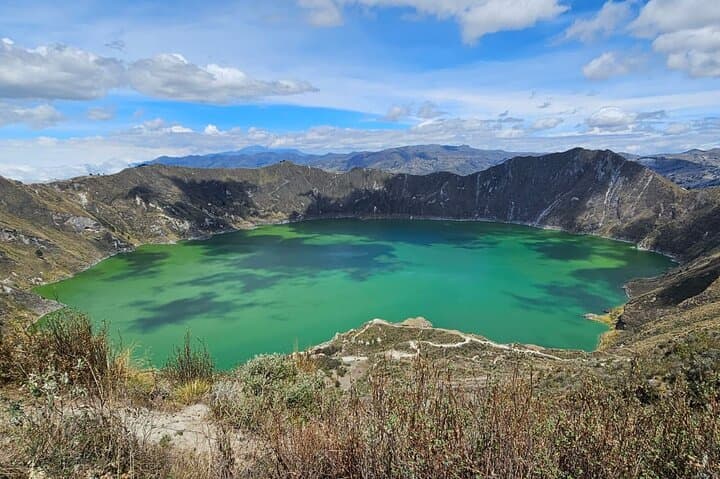
The rim of Quilotoa arrives like a sudden stage: you climb out of the Andes’ patchwork pastures and a turquoise circle fills the valley below. Wind pushes the high, thin air; llamas graze slopes and local women in woven hats move between stone houses. At 3,800–3,900 m (about 12,467 ft), the crater holds a vivid lake whose color changes with clouds and sun, daring you to step closer.
The rim of Quilotoa arrives like a sudden stage: you climb out of the Andes’ patchwork pastures and a turquoise circle fills the valley below. Wind pushes the high, thin air; llamas graze slopes and local women in woven hats move between stone houses. At 3,800–3,900 m (about 12,467 ft), the crater holds a vivid lake whose color changes with clouds and sun, daring you to step closer.
Quilotoa is a water-filled caldera formed in an explosive eruption roughly 800 years ago. The site sits on routes once used by Andean peoples; local communities such as Tigua preserve painting traditions and stories of the Inca era — guides on many tours will point out where an Inca mummy was said to have passed. Geological layers on the rim record violent fire and slow recovery, while small markets along the way sell roasted guinea pig and hand-painted art.
Practically speaking, expect a full day: about nine hours round-trip from Quito with stops at market towns and craft villages. Most visitors hike down to the crater shore — the descent is steep (roughly 300–400 m down) and takes 45–90 minutes depending on fitness; the return is tiring at altitude. Bring layers for sun and wind, plenty of water to prevent altitude headaches, and sturdy boots for loose volcanic scree. Local mule rentals and guides are available for the climb back.
Timing your visit for clear morning light gives the best lake color and easier walking; respect community rules, stick to trails, and budget time to sample local food before the drive back to Quito.