THE ADVENTURE COLLECTIVE® · Independent discovery and booking for outdoor travel

Walk the rim and descend to Quilotoa’s crater lake, visit Tigua artisans, and share a local lunch—this full-day tour blends highland geology and living Andean culture with a hands-on hike at high elevation.
Walk the rim and descend to Quilotoa’s crater lake, visit Tigua artisans, and share a local lunch—this full-day tour blends highland geology and living Andean culture with a hands-on hike at high elevation.
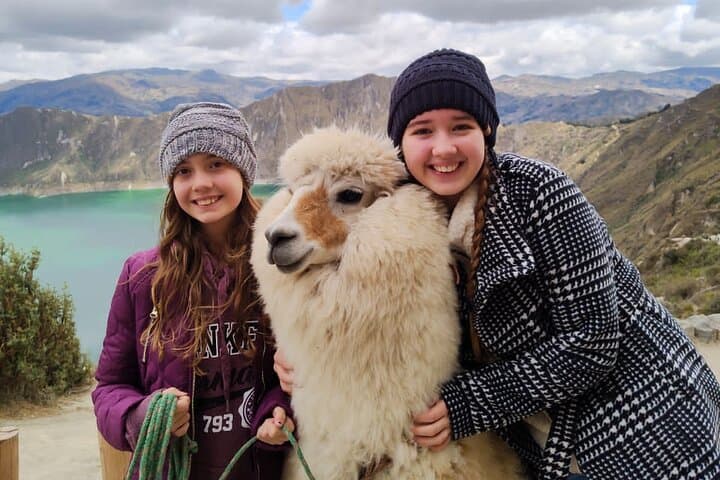
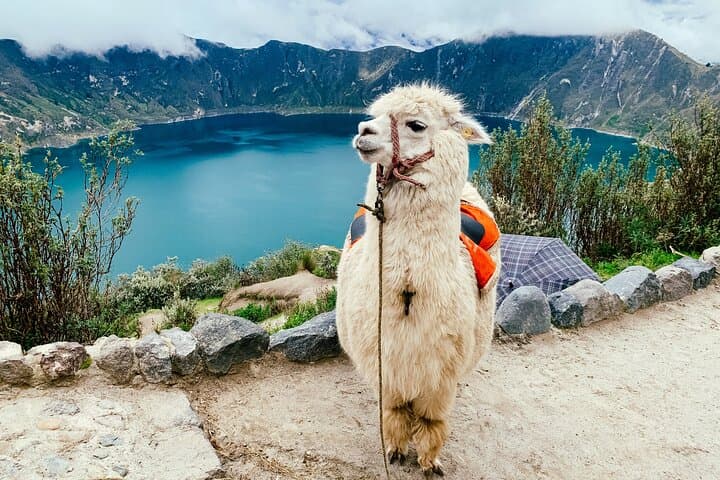
A thin Andes wind tugs at your jacket as the minibus eases onto the rim road and the crater opens below — a bowl of jade-blue water cupped by steep volcanic walls. The guide leads the group toward the trailhead; llamas graze on the slopes and the air tastes clean and thin.
Verified experiences and guided adventures in the surrounding area.
Operated by Best Trip Ecuador · Quilotoa, Cotopaxi
A thin Andes wind tugs at your jacket as the minibus eases onto the rim road and the crater opens below — a bowl of jade-blue water cupped by steep volcanic walls. The guide leads the group toward the trailhead; llamas graze on the slopes and the air tastes clean and thin.
Quilotoa is the flooded caldera of a collapsed volcano whose last major activity reshaped the highland landscape. The lake’s striking color comes from dissolved minerals; local Kichwa and highland communities have long woven that geology into their stories and crafts. Nearby Tigua preserves a popular folk-painting tradition: bright, figurative works painted on sheepskin and pine masks that narrate Andean life.
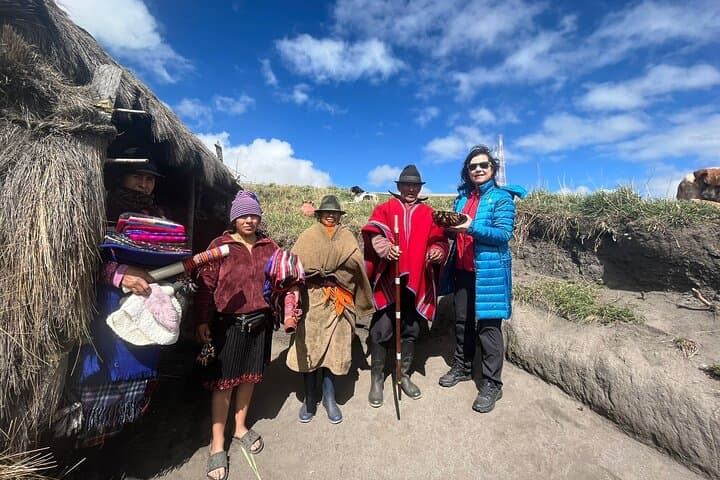
The day typically combines cultural stops — a visit to a local family and a Tigua artisan workshop — with a focused outdoor section at Quilotoa. Hikers can descend to the crater lake along a well-trodden switchback, then climb back to the rim for broad views of the valley and nearby volcanic peaks. Expect steep, sometimes loose trail surfaces and obvious altitude effects; the landscape here is austere, weather-shifting, and honest.
Practical guidance: start early to avoid afternoon winds and showers, wear sturdy footwear and layered clothing, carry at least 1.5–2 liters of water, and allow extra time for the gradual climb out. Respect local communities, buy artisan goods directly when possible, and pack out trash — the high páramo regenerates slowly. This is a full-day outing best suited to travelers comfortable with long drives and sustained walking at altitude.
moderate.
10–12 hours.
Good cardiovascular fitness and the ability to manage steep ascents/descents at altitude are recommended.
The trail is steep and can be loose underfoot; descending is easier than ascending but both require moderate fitness and good footwear.
This tour is not recommended for pregnant travelers or those with serious spinal, heart, or cardiovascular conditions due to altitude and strenuous walking.
Yes — the standard full-day tour includes tourist transport, a bilingual guide, lunch, and entrance to the Quilotoa viewpoint as described in the itinerary.
Acclimatize in Quito or Latacunga, stay hydrated, avoid heavy alcohol, eat lightly before hiking, and ascend at a measured pace; consult a doctor about medication if you have prior issues.
Quilotoa formed when a volcano collapsed, creating a crater lake that local Kichwa communities have incorporated into oral histories and artisan traditions for centuries.
This fragile páramo recovers slowly from erosion and litter; stick to trails, minimize single-use plastics, and support local crafts to help sustain community economies.
Best Trip Ecuador operates guided outdoor trips and adventures with an emphasis on safety, stewardship, and memorable experiences.

A thin Andes wind tugs at your jacket as the minibus eases onto the rim road and the crater opens below — a bowl of jade-blue water cupped by steep volcanic walls. The guide leads the group toward the trailhead; llamas graze on the slopes and the air tastes clean and thin.
A thin Andes wind tugs at your jacket as the minibus eases onto the rim road and the crater opens below — a bowl of jade-blue water cupped by steep volcanic walls. The guide leads the group toward the trailhead; llamas graze on the slopes and the air tastes clean and thin.
Quilotoa is the flooded caldera of a collapsed volcano whose last major activity reshaped the highland landscape. The lake’s striking color comes from dissolved minerals; local Kichwa and highland communities have long woven that geology into their stories and crafts. Nearby Tigua preserves a popular folk-painting tradition: bright, figurative works painted on sheepskin and pine masks that narrate Andean life.
The day typically combines cultural stops — a visit to a local family and a Tigua artisan workshop — with a focused outdoor section at Quilotoa. Hikers can descend to the crater lake along a well-trodden switchback, then climb back to the rim for broad views of the valley and nearby volcanic peaks. Expect steep, sometimes loose trail surfaces and obvious altitude effects; the landscape here is austere, weather-shifting, and honest.
Practical guidance: start early to avoid afternoon winds and showers, wear sturdy footwear and layered clothing, carry at least 1.5–2 liters of water, and allow extra time for the gradual climb out. Respect local communities, buy artisan goods directly when possible, and pack out trash — the high páramo regenerates slowly. This is a full-day outing best suited to travelers comfortable with long drives and sustained walking at altitude.