THE ADVENTURE COLLECTIVE® · Independent discovery and booking for outdoor travel

A full-day circuit from Cusco that pairs four high Andean lagoons with a visit to the living Inca bridge of Q'eswachaka. Expect long drives, high-altitude scenery, local culture, and an annual rope-bridge tradition explained by your guide.
A full-day circuit from Cusco that pairs four high Andean lagoons with a visit to the living Inca bridge of Q'eswachaka. Expect long drives, high-altitude scenery, local culture, and an annual rope-bridge tradition explained by your guide.
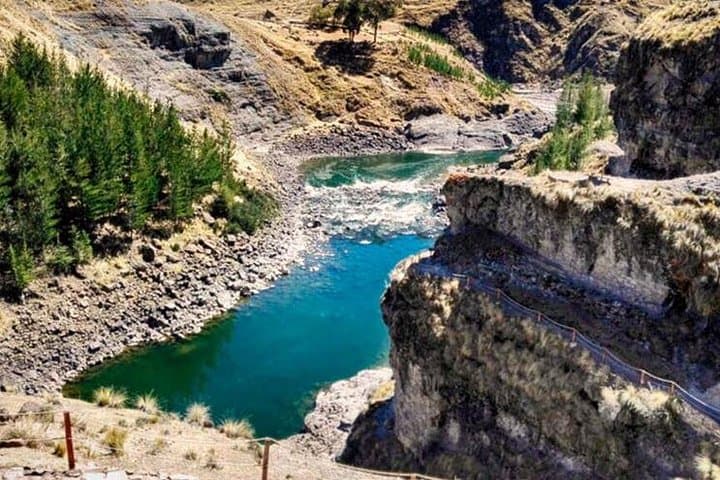
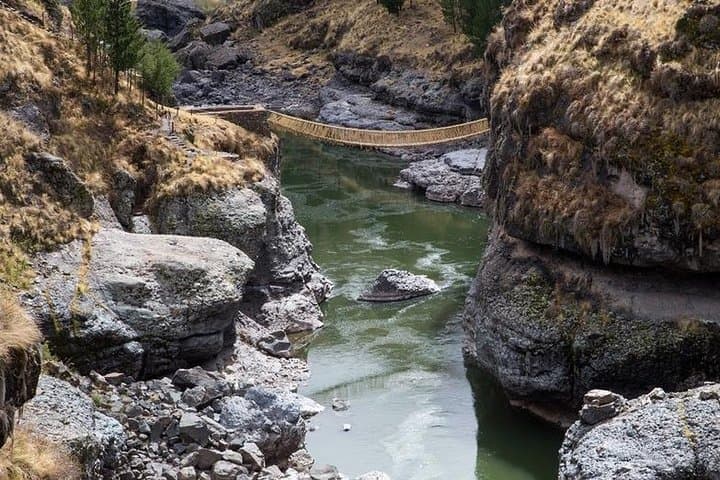
Before dawn the van slides out of Cusco and the puna unfurls—peaty grasslands, wind-pressed skies and a chain of high Andean lagoons reflecting a thin, cool light. By midmorning you reach Pomacanchi, then Acopia and Asnaqocha, each pool a quiet bowl that catches the air; the water seems to dare you to stop and breathe. The route finishes at Pampa Marca before dropping toward the Apurímac gorge and the famous Q'eswachaka rope bridge.
Verified experiences and guided adventures in the surrounding area.
Operated by A Y C ADVENTURE · Cusco, Cusco
Before dawn the van slides out of Cusco and the puna unfurls—peaty grasslands, wind-pressed skies and a chain of high Andean lagoons reflecting a thin, cool light. By midmorning you reach Pomacanchi, then Acopia and Asnaqocha, each pool a quiet bowl that catches the air; the water seems to dare you to stop and breathe. The route finishes at Pampa Marca before dropping toward the Apurímac gorge and the famous Q'eswachaka rope bridge.
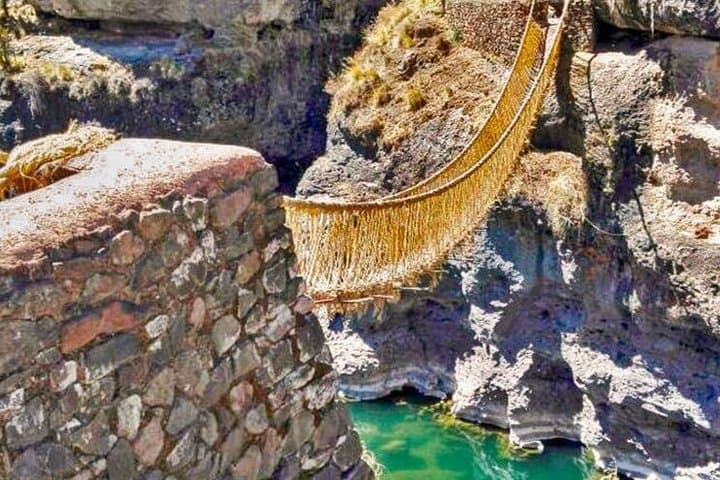
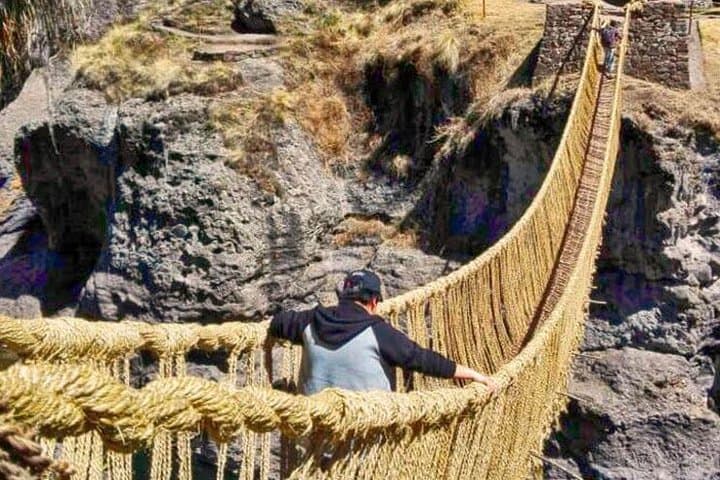
Q'eswachaka is more than a span of ichu grass: it is a living Inca practice rebuilt yearly by local communities, an engineered rope suspension that links the present to pre-Hispanic transport networks. Geologically the route runs on volcanic-formed high plains and glacially scoured basins; the lagoons sit between 3,700–4,000 m on compacted volcanic ash and moraine. Culturally there are small towns en route—Tupac Amaru II’s birthplace features a modest historic house—and a local rhythm that mixes Quechua customs with Catholic festivals.
Practicalities: expect a 12-hour day with pickup 5:00–5:45 a.m.; roads alternate paved and gravel with short roadside walks to viewpoints. Altitude is the chief challenge—take 48 hours in Cusco to acclimatize, hydrate, eat light, and move steadily at the lagoons. Wear layered clothing, sun protection, and sturdy hiking shoes; plan for wind and sudden sun. Guides explain the bridge’s ichu construction and local rites, and a buffet lunch is included before the return to Cusco. This trip is a compact mix of highland scenery, living history, and hands-on cultural interpretation.
moderate.
10–12 hours.
Moderate fitness recommended—able to withstand multiple short walks at 3,700–4,000 m and long vehicle transfers.
The tour runs about 12 hours with pickup between 5:00–5:45 a.m. and returns to Cusco in the evening.
Lagoons and stops sit roughly between 3,700–4,000 meters; the bridge area is also high altitude—allow time to acclimatize.
Yes—Q'eswachaka is rebuilt annually by local communities and maintained for visitor crossings under guide supervision.
Yes; the tour includes buffet breakfast/lunch and tourist transport, plus an English/Spanish guide.
Q'eswachaka is a living Inca tradition: local communities rebuild the grass rope bridge annually using ichu in a ritual that preserves pre-Hispanic engineering techniques.
The bridge and surrounding puna depend on community stewardship; visitors should follow guidance to avoid trampling fragile highland plants and to pack out waste.
A Y C ADVENTURE operates guided outdoor trips and adventures with an emphasis on safety, stewardship, and memorable experiences.
Before dawn the van slides out of Cusco and the puna unfurls—peaty grasslands, wind-pressed skies and a chain of high Andean lagoons reflecting a thin, cool light. By midmorning you reach Pomacanchi, then Acopia and Asnaqocha, each pool a quiet bowl that catches the air; the water seems to dare you to stop and breathe. The route finishes at Pampa Marca before dropping toward the Apurímac gorge and the famous Q'eswachaka rope bridge.
Before dawn the van slides out of Cusco and the puna unfurls—peaty grasslands, wind-pressed skies and a chain of high Andean lagoons reflecting a thin, cool light. By midmorning you reach Pomacanchi, then Acopia and Asnaqocha, each pool a quiet bowl that catches the air; the water seems to dare you to stop and breathe. The route finishes at Pampa Marca before dropping toward the Apurímac gorge and the famous Q'eswachaka rope bridge.
Q'eswachaka is more than a span of ichu grass: it is a living Inca practice rebuilt yearly by local communities, an engineered rope suspension that links the present to pre-Hispanic transport networks. Geologically the route runs on volcanic-formed high plains and glacially scoured basins; the lagoons sit between 3,700–4,000 m on compacted volcanic ash and moraine. Culturally there are small towns en route—Tupac Amaru II’s birthplace features a modest historic house—and a local rhythm that mixes Quechua customs with Catholic festivals.
Practicalities: expect a 12-hour day with pickup 5:00–5:45 a.m.; roads alternate paved and gravel with short roadside walks to viewpoints. Altitude is the chief challenge—take 48 hours in Cusco to acclimatize, hydrate, eat light, and move steadily at the lagoons. Wear layered clothing, sun protection, and sturdy hiking shoes; plan for wind and sudden sun. Guides explain the bridge’s ichu construction and local rites, and a buffet lunch is included before the return to Cusco. This trip is a compact mix of highland scenery, living history, and hands-on cultural interpretation.