THE ADVENTURE COLLECTIVE® · Independent discovery and booking for outdoor travel

Rise early for a long, rewarding day from Cusco to the Q'eswachaka rope bridge. Experience a living Inca tradition, dramatic Apurímac gorge views, and nearby historic sites on a guided cultural circuit.
Rise early for a long, rewarding day from Cusco to the Q'eswachaka rope bridge. Experience a living Inca tradition, dramatic Apurímac gorge views, and nearby historic sites on a guided cultural circuit.
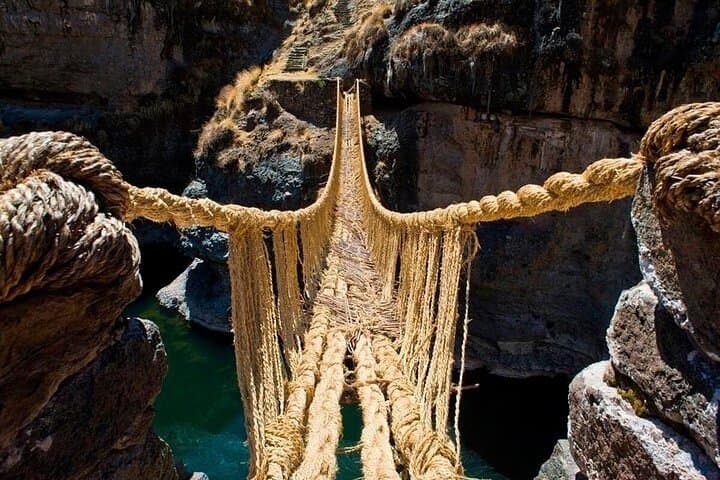
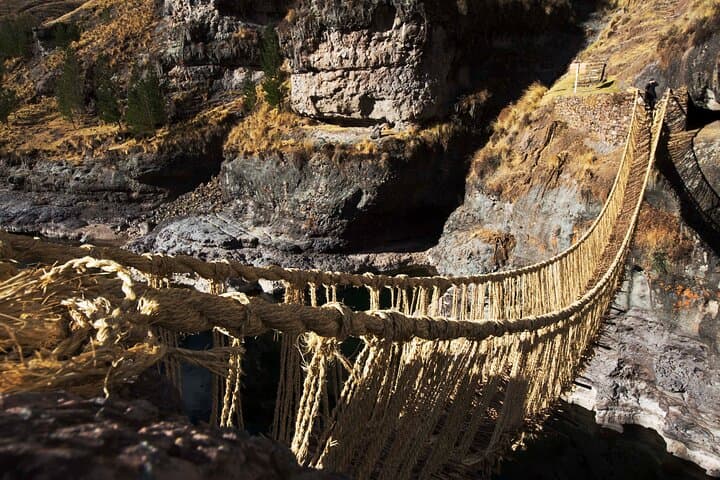
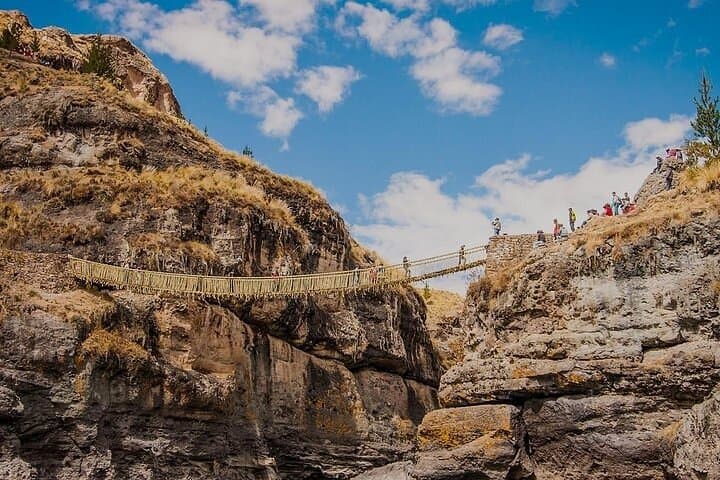
You leave Cusco before dawn, the city lights shrinking as the Andes reshape into long ridges and carved valleys. By midmorning the road drops toward the Apurímac and you arrive at Q'eswachaka: a living rope bridge strung across a narrow gorge, its woven grass fibers swaying gently while the river below dares you to look down.
Verified experiences and guided adventures in the surrounding area.
Operated by Machupicchu Adventure · Quehue, Cusco
You leave Cusco before dawn, the city lights shrinking as the Andes reshape into long ridges and carved valleys. By midmorning the road drops toward the Apurímac and you arrive at Q'eswachaka: a living rope bridge strung across a narrow gorge, its woven grass fibers swaying gently while the river below dares you to look down.
The bridge is a functioning piece of engineering and oral history. Communities in the Canas province rebuild it each year using techniques that trace to the Inca era; the fibers come from ichu grass and the hands that twist them pass knowledge through lineages rather than books. Geologically, the gorge is part of the Apurímac watershed — steep volcanic and sedimentary rock carved by persistent water, creating steep terraces that locals used for agriculture.
Cultural markers punctuate the walk: stone terraces, small shrines, and the rhythm of Quechua speech. The tour usually includes Combapata viewpoint, Mosoc Llaqta (birthplace of Túpac Amaru II), and the Four Lagoons circuit, each offering different light and ecosystems — scrubby puna, wet meadows, and high Andean lakes.
Practicalities are straightforward but firm: this is a long day at altitude (departures around 4:30–5:00 a.m., return mid–late afternoon). Expect short, uneven trails around the bridge, basic facilities, and a communal lunch in Cusipata. Bring layered clothing for sun and wind, sturdy shoes for uneven steps, and water for altitude. Move deliberately, give yourself time to adjust to the height, and let the bridge’s maintenance ritual remind you that this is both a natural feat and a community commitment.
moderate.
12–13 hours.
Moderate endurance required for a long day at 3,500–4,000 m altitude; comfortable walking on uneven surfaces.
The tour departs early (around 4:30–5:00 a.m.) and returns mid to late afternoon; expect a ~12–13 hour day.
The site preserves Inca rope-bridge techniques; the current bridge is rebuilt annually by local communities using traditional materials and methods.
Most visitors can cross under guide supervision, but people with serious spinal, heart, or pregnancy concerns are advised not to due to uneven footing and height.
Facilities along the route are basic; breakfast and a buffet lunch are typically included, but bring water and small snacks for the trail.
Q'eswachaka is part of a living Inca rope-bridge tradition maintained by Quechua-speaking communities who rebuild it annually, preserving ancestral engineering and social ties.
The bridge and surrounding communities rely on sustainable tourism and community stewardship—visitors should follow local guidance to minimize erosion and waste.
Machupicchu Adventure operates guided outdoor trips and adventures with an emphasis on safety, stewardship, and memorable experiences.

You leave Cusco before dawn, the city lights shrinking as the Andes reshape into long ridges and carved valleys. By midmorning the road drops toward the Apurímac and you arrive at Q'eswachaka: a living rope bridge strung across a narrow gorge, its woven grass fibers swaying gently while the river below dares you to look down.
You leave Cusco before dawn, the city lights shrinking as the Andes reshape into long ridges and carved valleys. By midmorning the road drops toward the Apurímac and you arrive at Q'eswachaka: a living rope bridge strung across a narrow gorge, its woven grass fibers swaying gently while the river below dares you to look down.
The bridge is a functioning piece of engineering and oral history. Communities in the Canas province rebuild it each year using techniques that trace to the Inca era; the fibers come from ichu grass and the hands that twist them pass knowledge through lineages rather than books. Geologically, the gorge is part of the Apurímac watershed — steep volcanic and sedimentary rock carved by persistent water, creating steep terraces that locals used for agriculture.
Cultural markers punctuate the walk: stone terraces, small shrines, and the rhythm of Quechua speech. The tour usually includes Combapata viewpoint, Mosoc Llaqta (birthplace of Túpac Amaru II), and the Four Lagoons circuit, each offering different light and ecosystems — scrubby puna, wet meadows, and high Andean lakes.
Practicalities are straightforward but firm: this is a long day at altitude (departures around 4:30–5:00 a.m., return mid–late afternoon). Expect short, uneven trails around the bridge, basic facilities, and a communal lunch in Cusipata. Bring layered clothing for sun and wind, sturdy shoes for uneven steps, and water for altitude. Move deliberately, give yourself time to adjust to the height, and let the bridge’s maintenance ritual remind you that this is both a natural feat and a community commitment.