THE ADVENTURE COLLECTIVE® · Independent discovery and booking for outdoor travel

Explore Qatar’s northern coast and western limestone peninsulas on a full-day tour that links pearl-harbor villages, mangrove channels and UNESCO-listed Zubara Fort. Expect short walks, off-road viewpoints and a clear primer on regional history and geology.
Explore Qatar’s northern coast and western limestone peninsulas on a full-day tour that links pearl-harbor villages, mangrove channels and UNESCO-listed Zubara Fort. Expect short walks, off-road viewpoints and a clear primer on regional history and geology.
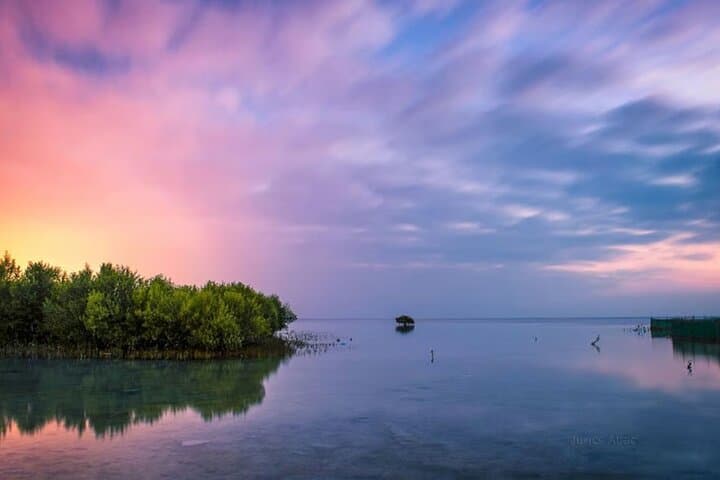
You step out of an air-conditioned van onto hot limestone and the wind immediately lays claim to your hat — the landscape feels both ancient and abrupt. The day threads north from Doha along the coast to Al Khor’s harbor, past the mangroves of Al Thakira, and out toward the hard-edged forts and sculpted rocks of the Zubara and Zekreet peninsulas.
Verified experiences and guided adventures in the surrounding area.
Operated by Oryx Tourism · Doha, Doha
You step out of an air-conditioned van onto hot limestone and the wind immediately lays claim to your hat — the landscape feels both ancient and abrupt. The day threads north from Doha along the coast to Al Khor’s harbor, past the mangroves of Al Thakira, and out toward the hard-edged forts and sculpted rocks of the Zubara and Zekreet peninsulas.
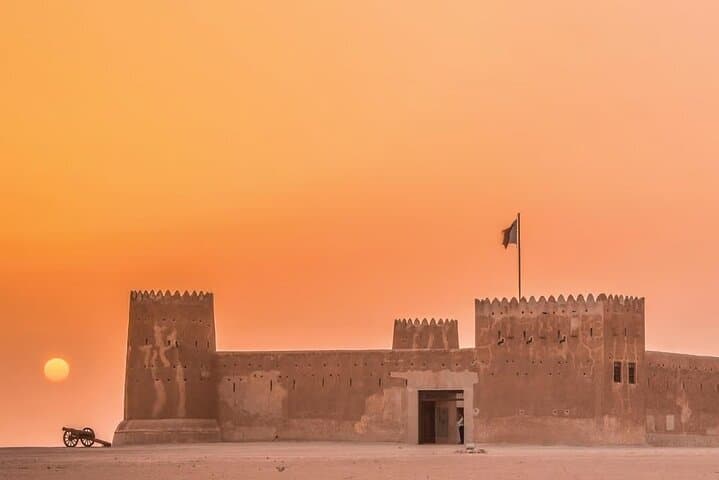
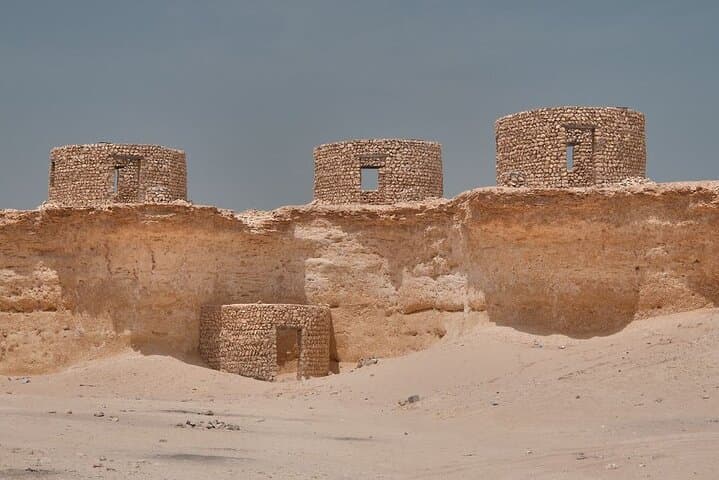
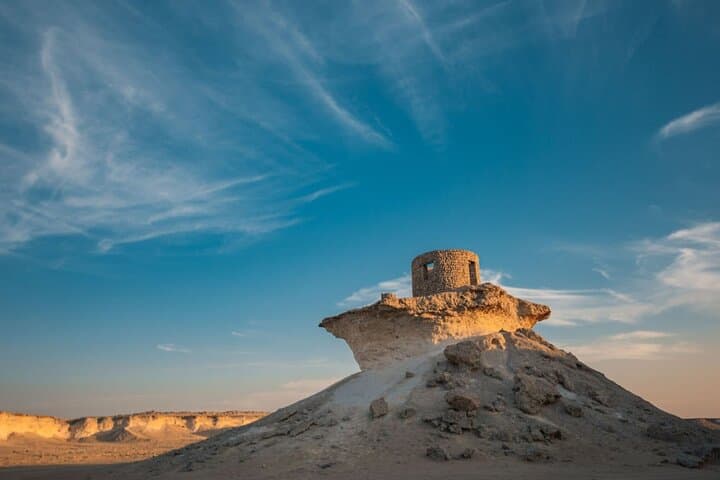
These places read like pages from Qatar’s past: Al Khor was a center for pearl diving and coastal trade; Zubarah Fort anchors a larger archaeological landscape recently recognized by UNESCO; Zekreet’s umbrella rocks and fossiled limestone reflect a coastline carved by shifting sea levels and wind. Small fishing villages and traditional limestone-and-mud houses at Al Shamal give a glimpse of everyday life that predates oil wealth.
Expect a balance of short walks, photo stops and guided explanations — the tour runs about seven hours and includes bottled water, coffee or tea, and transport in an air-conditioned vehicle. Terrain varies from flat village streets and boardwalk-like mangrove edges to sandy tracks and rocky outcrops; comfortable walking shoes and sun protection matter more than technical gear. Wildlife can punctuate the route — shorebirds in the mangroves, the occasional dolphin offshore, and desert-adapted mammals farther west.
Practical tips: plan to travel from Doha early to avoid midday heat in summer, carry reusable water and a light layer for breezy dunes, and bring a camera with a zoom for distant ruins and birdlife. The tour is accessible for most fitness levels and offers a concentrated, readable slice of Qatar’s coastal history.
easy.
7 hours.
Suitable for most fitness levels; requires standing and short walks on uneven ground.
Most departures offer pickup and drop-off from central Doha hotels—confirm your pickup point when booking.
Stops include short breaks where refreshments (coffee/tea and bottled water) are provided; longer restroom or meal stops occur at scheduled points.
Yes; infant seats are available on request and the itinerary is described as easy, but keep children supervised near cliffs and coastal edges.
Yes—the full-day itinerary is designed to visit both, with photo stops and short guided walks at each site.
The route traces Qatar’s coastal economy: pearl diving, fishing and trade shaped settlements such as Al Khor; Zubarah preserves the archaeological footprint of an 18th–19th century trading town.
Mangroves and dune habitats are sensitive — follow guide instructions, avoid littering, and minimize disturbance to nesting birds and fragile vegetation.
Oryx Tourism operates guided outdoor trips and adventures with an emphasis on safety, stewardship, and memorable experiences.
You step out of an air-conditioned van onto hot limestone and the wind immediately lays claim to your hat — the landscape feels both ancient and abrupt. The day threads north from Doha along the coast to Al Khor’s harbor, past the mangroves of Al Thakira, and out toward the hard-edged forts and sculpted rocks of the Zubara and Zekreet peninsulas.
You step out of an air-conditioned van onto hot limestone and the wind immediately lays claim to your hat — the landscape feels both ancient and abrupt. The day threads north from Doha along the coast to Al Khor’s harbor, past the mangroves of Al Thakira, and out toward the hard-edged forts and sculpted rocks of the Zubara and Zekreet peninsulas.
These places read like pages from Qatar’s past: Al Khor was a center for pearl diving and coastal trade; Zubarah Fort anchors a larger archaeological landscape recently recognized by UNESCO; Zekreet’s umbrella rocks and fossiled limestone reflect a coastline carved by shifting sea levels and wind. Small fishing villages and traditional limestone-and-mud houses at Al Shamal give a glimpse of everyday life that predates oil wealth.
Expect a balance of short walks, photo stops and guided explanations — the tour runs about seven hours and includes bottled water, coffee or tea, and transport in an air-conditioned vehicle. Terrain varies from flat village streets and boardwalk-like mangrove edges to sandy tracks and rocky outcrops; comfortable walking shoes and sun protection matter more than technical gear. Wildlife can punctuate the route — shorebirds in the mangroves, the occasional dolphin offshore, and desert-adapted mammals farther west.
Practical tips: plan to travel from Doha early to avoid midday heat in summer, carry reusable water and a light layer for breezy dunes, and bring a camera with a zoom for distant ruins and birdlife. The tour is accessible for most fitness levels and offers a concentrated, readable slice of Qatar’s coastal history.