THE ADVENTURE COLLECTIVE® · Independent discovery and booking for outdoor travel

Spend a day exploring Lebanon’s Qadisha Valley, the Gibran Museum and the ancient Cedars of God on a guided small‑group tour from Beirut. This full‑day trip combines mountain vistas, early Christian monasteries and a traditional Lebanese lunch.
Spend a day exploring Lebanon’s Qadisha Valley, the Gibran Museum and the ancient Cedars of God on a guided small‑group tour from Beirut. This full‑day trip combines mountain vistas, early Christian monasteries and a traditional Lebanese lunch.
The road out of Beirut climbs and tightens until the air feels different — thinner, crisper, edged by limestone walls that have been carved by water for millennia. By midmorning the minivan eases onto a high ridge and the Qadisha Valley opens below: a series of steep gorges, terraced orchards and monastic hamlets clinging to cliff faces. The cedars appear on the skyline like stern, patient sentries, their trunks wind-carved and heavy with years.
Verified experiences and guided adventures in the surrounding area.
Operated by Beirut Daily Tours · Bcharre, North Governorate
The road out of Beirut climbs and tightens until the air feels different — thinner, crisper, edged by limestone walls that have been carved by water for millennia. By midmorning the minivan eases onto a high ridge and the Qadisha Valley opens below: a series of steep gorges, terraced orchards and monastic hamlets clinging to cliff faces. The cedars appear on the skyline like stern, patient sentries, their trunks wind-carved and heavy with years.
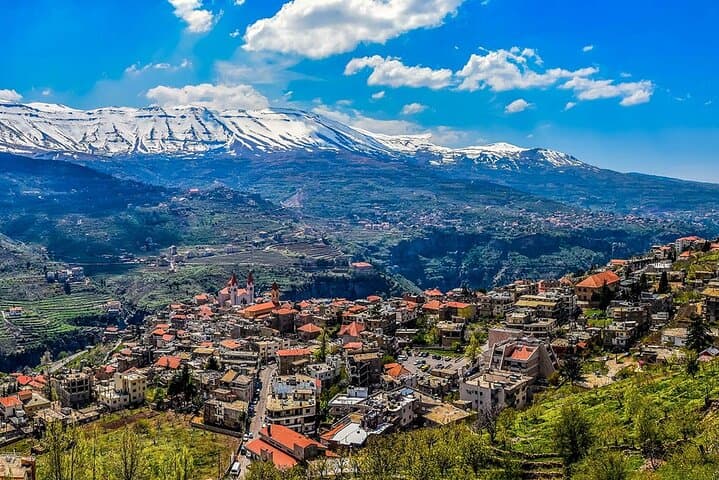
Qadisha (the Holy Valley) and the nearby Cedars of God are a living archive: monasteries and hermitages established in the early centuries of Christianity, and an ancient stand of Cedrus libani that was prized in antiquity and is cited in biblical texts. The Gibran Museum in Bcharre frames a different side of the region — modern literary and artistic history anchored in a mountain town that still keeps old church bells and stone lanes.
Expect short guided walks, viewpoints over deep limestone ravines, a curated museum visit and a stop beneath the forest of roughly 375 protected cedars. The tour covers entrance fees, hotel pickup, a Lebanese lunch and transport — roughly a 9‑hour day with groups capped around 15.
Practical edge: bring layers for big temperature swings (1,400–2,100 m elevation range), sturdy shoes for uneven stone paths, sun protection and a modest outfit for monastery interiors. Hydrate before you go and carry a small daypack for camera, water and a light jacket. Move deliberately at viewpoints and follow guide instructions — trails and worn stairways can be steep, but the route is suitable for most fitness levels.
easy.
9 hours.
Suitable for most fitness levels; requires getting on/off a minivan and short, sometimes steep walks up to 30–60 minutes
The tour is about 9 hours (540 minutes) and includes hotel pickup/drop-off in Beirut, transport by air‑conditioned minivan, a professional guide, entrance fees to included sites and a Lebanese lunch.
The itinerary is rated easy and suitable for most fitness levels, but there are uneven steps and short uphill walks; infants must sit on an adult’s lap during transport.
Yes — the schedule typically includes short independent time at the Cedars forest and a visit inside the Gibran Museum; the guide will advise on timing and photography rules.
Tipping is customary in Lebanon for good service; consider a modest tip for the guide and driver at the end of the tour if you were satisfied.
Qadisha Valley and the Cedars of God were jointly inscribed as a UNESCO World Heritage Site for their cultural and natural significance; the valley contains monastic settlements dating to early Christian centuries.
The cedar grove is managed to protect the remaining ancient trees from overuse and climate stress; visitors are asked to stay on marked paths and avoid climbing trunks to limit damage.
Beirut Daily Tours operates guided outdoor trips and adventures with an emphasis on safety, stewardship, and memorable experiences.
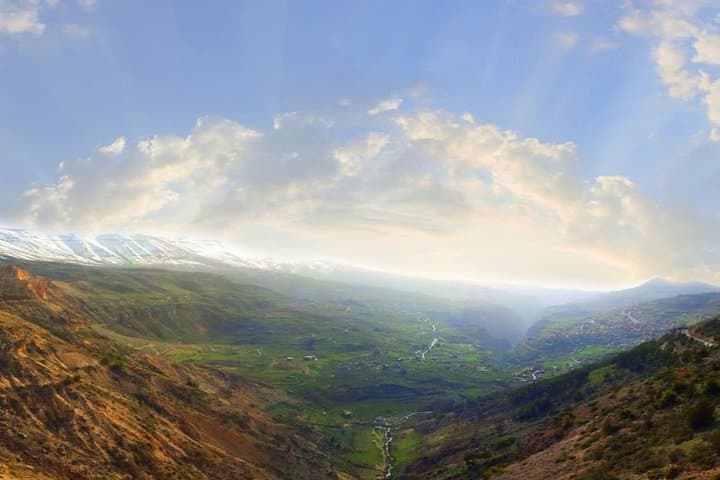
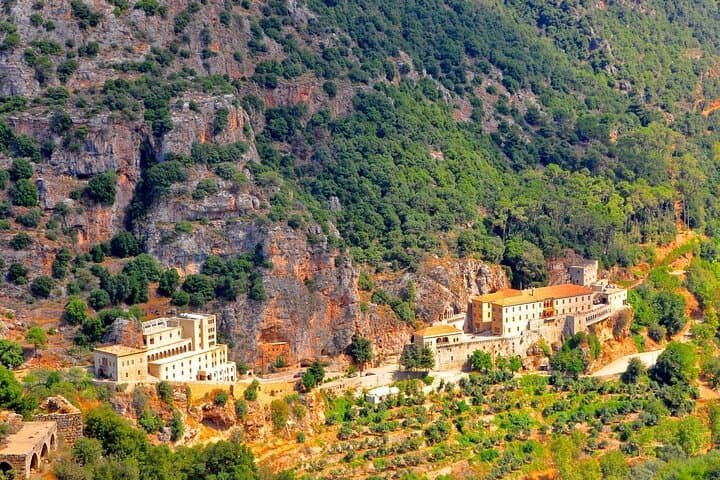
The road out of Beirut climbs and tightens until the air feels different — thinner, crisper, edged by limestone walls that have been carved by water for millennia. By midmorning the minivan eases onto a high ridge and the Qadisha Valley opens below: a series of steep gorges, terraced orchards and monastic hamlets clinging to cliff faces. The cedars appear on the skyline like stern, patient sentries, their trunks wind-carved and heavy with years.
The road out of Beirut climbs and tightens until the air feels different — thinner, crisper, edged by limestone walls that have been carved by water for millennia. By midmorning the minivan eases onto a high ridge and the Qadisha Valley opens below: a series of steep gorges, terraced orchards and monastic hamlets clinging to cliff faces. The cedars appear on the skyline like stern, patient sentries, their trunks wind-carved and heavy with years.
Qadisha (the Holy Valley) and the nearby Cedars of God are a living archive: monasteries and hermitages established in the early centuries of Christianity, and an ancient stand of Cedrus libani that was prized in antiquity and is cited in biblical texts. The Gibran Museum in Bcharre frames a different side of the region — modern literary and artistic history anchored in a mountain town that still keeps old church bells and stone lanes.
Expect short guided walks, viewpoints over deep limestone ravines, a curated museum visit and a stop beneath the forest of roughly 375 protected cedars. The tour covers entrance fees, hotel pickup, a Lebanese lunch and transport — roughly a 9‑hour day with groups capped around 15.
Practical edge: bring layers for big temperature swings (1,400–2,100 m elevation range), sturdy shoes for uneven stone paths, sun protection and a modest outfit for monastery interiors. Hydrate before you go and carry a small daypack for camera, water and a light jacket. Move deliberately at viewpoints and follow guide instructions — trails and worn stairways can be steep, but the route is suitable for most fitness levels.