THE ADVENTURE COLLECTIVE® · Independent discovery and booking for outdoor travel

A single-day sweep through Egypt’s most iconic sites: climb the edges of history atop the Giza Plateau, roam the Egyptian Museum’s storied halls and lose yourself in the sensory maze of Khan El Khalili Bazaar. Practical tips for timing, tickets and what to pack included.
A single-day sweep through Egypt’s most iconic sites: climb the edges of history atop the Giza Plateau, roam the Egyptian Museum’s storied halls and lose yourself in the sensory maze of Khan El Khalili Bazaar. Practical tips for timing, tickets and what to pack included.
You arrive on the Giza Plateau with sun striking limestone faces and wind that carries the dust of four millennia. The three pyramids—Khufu, Khafre and Menkaure—stand like engineered mountains, their shadow falling long across hard-packed earth as camels and guidebooks compete for your attention.
Verified experiences and guided adventures in the surrounding area.
Operated by Deluxe Travel · Giza, Giza Governorate
You arrive on the Giza Plateau with sun striking limestone faces and wind that carries the dust of four millennia. The three pyramids—Khufu, Khafre and Menkaure—stand like engineered mountains, their shadow falling long across hard-packed earth as camels and guidebooks compete for your attention.
The day moves from open sky to curated halls: the Egyptian Museum in Tahrir holds Pharaohs' funerary goods and the glittering cache of Tutankhamun, artifacts that map a civilization’s obsession with afterlife. Later, the alleyways of Khan El Khalili peel back another layer—wooden stalls, copperware and the mint-sweet smoke of street tea invite slow negotiation.
Geology and history are close here: the pyramids rest on a stable limestone reef from the Eocene, quarried and fitted by ancient engineering that still puzzles architects. Culturally, the route threads Pharaonic ritual, colonial-era collecting and living Cairo’s market culture.
Practical guidance: the tour runs roughly seven hours with hotel pick-up and air-conditioned transport; expect walking on uneven stone, paved museum floors and crowded bazaar lanes. Bring a passport if you plan to buy site tickets or enter a pyramid (extra fee), wear sun protection and modest clothing for museum and mosque-adjacent areas, and plan for long lines at peak season.
Timing matters—early starts ease heat and crowds at Giza, while late afternoons bring softer light for photos. Respect barriers at monuments, carry cash for small purchases, and leave room in your schedule to sip mint tea at El Fishawi and watch Cairo’s daily choreography unfold.
moderate.
7 hours.
Moderate fitness for walking on uneven stone, steps and crowded market lanes; be prepared for several hours on your feet.
General transport and a guide are included, but pyramid interior entry and special museum rooms (like the mummies room) usually require additional fees paid on-site.
Yes—the tour includes hotel pickup and drop-off via air-conditioned minivan within Cairo and Giza pickup zones; confirm your pickup point when booking.
Bazaar alleys are narrow and often crowded; visitors with limited mobility may find navigating difficult but can enjoy nearby cafes and some wider streets.
Tipping is customary in Egypt; modest amounts for guides and drivers are appreciated—budget a small tip per person for each.
The Giza necropolis dates to the Fourth Dynasty (c. 2600–2500 BCE); the Egyptian Museum collects artifacts spanning millennia, including Tutankhamun’s 1922-discovered treasures.
Preservation challenges include stone erosion, air pollution and visitor wear; follow site rules, avoid touching carved surfaces and support licensed guides and conservation fees where applicable.
Deluxe Travel operates guided outdoor trips and adventures with an emphasis on safety, stewardship, and memorable experiences.
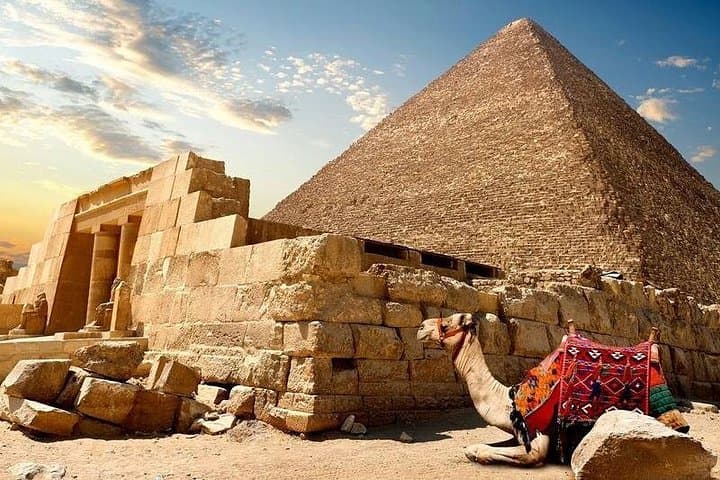
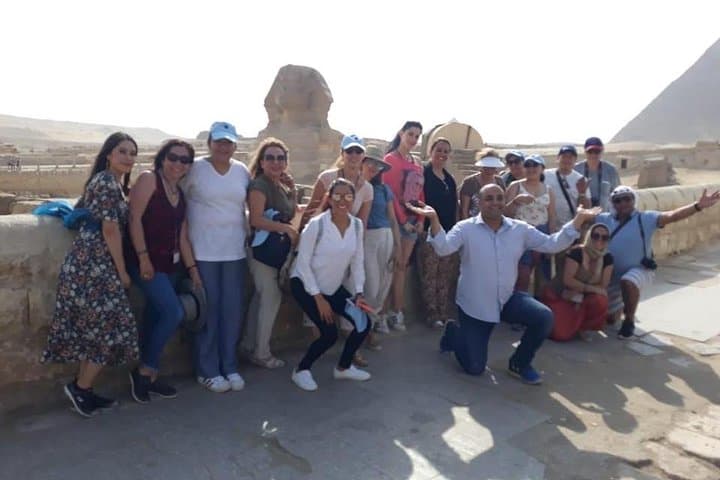
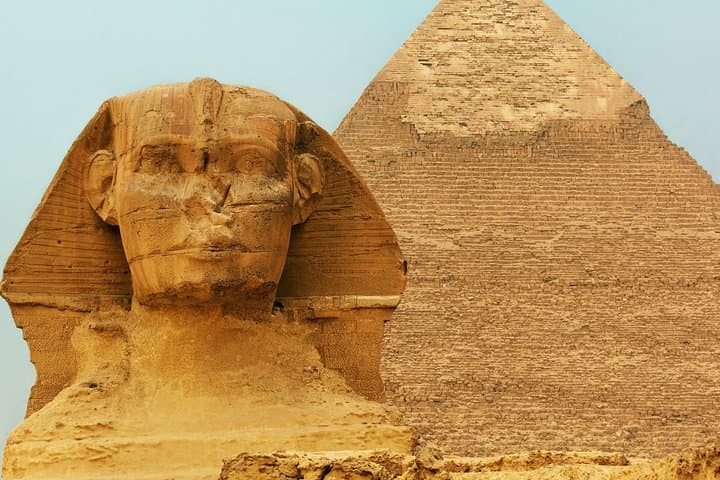
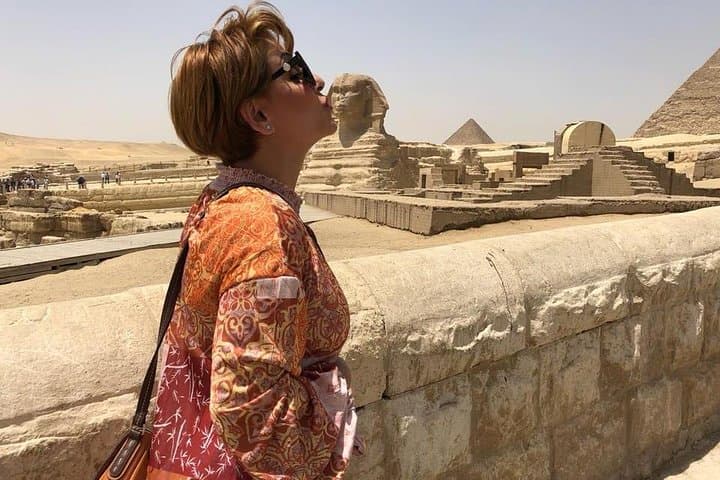
You arrive on the Giza Plateau with sun striking limestone faces and wind that carries the dust of four millennia. The three pyramids—Khufu, Khafre and Menkaure—stand like engineered mountains, their shadow falling long across hard-packed earth as camels and guidebooks compete for your attention.
You arrive on the Giza Plateau with sun striking limestone faces and wind that carries the dust of four millennia. The three pyramids—Khufu, Khafre and Menkaure—stand like engineered mountains, their shadow falling long across hard-packed earth as camels and guidebooks compete for your attention.
The day moves from open sky to curated halls: the Egyptian Museum in Tahrir holds Pharaohs' funerary goods and the glittering cache of Tutankhamun, artifacts that map a civilization’s obsession with afterlife. Later, the alleyways of Khan El Khalili peel back another layer—wooden stalls, copperware and the mint-sweet smoke of street tea invite slow negotiation.
Geology and history are close here: the pyramids rest on a stable limestone reef from the Eocene, quarried and fitted by ancient engineering that still puzzles architects. Culturally, the route threads Pharaonic ritual, colonial-era collecting and living Cairo’s market culture.
Practical guidance: the tour runs roughly seven hours with hotel pick-up and air-conditioned transport; expect walking on uneven stone, paved museum floors and crowded bazaar lanes. Bring a passport if you plan to buy site tickets or enter a pyramid (extra fee), wear sun protection and modest clothing for museum and mosque-adjacent areas, and plan for long lines at peak season.
Timing matters—early starts ease heat and crowds at Giza, while late afternoons bring softer light for photos. Respect barriers at monuments, carry cash for small purchases, and leave room in your schedule to sip mint tea at El Fishawi and watch Cairo’s daily choreography unfold.