THE ADVENTURE COLLECTIVE® · Independent discovery and booking for outdoor travel

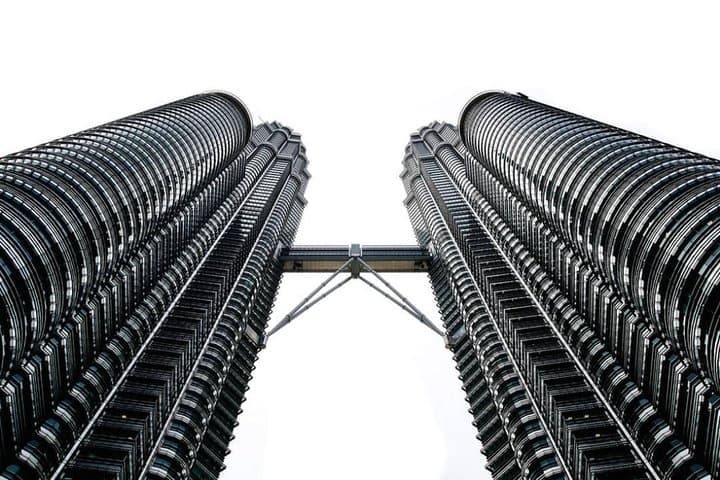
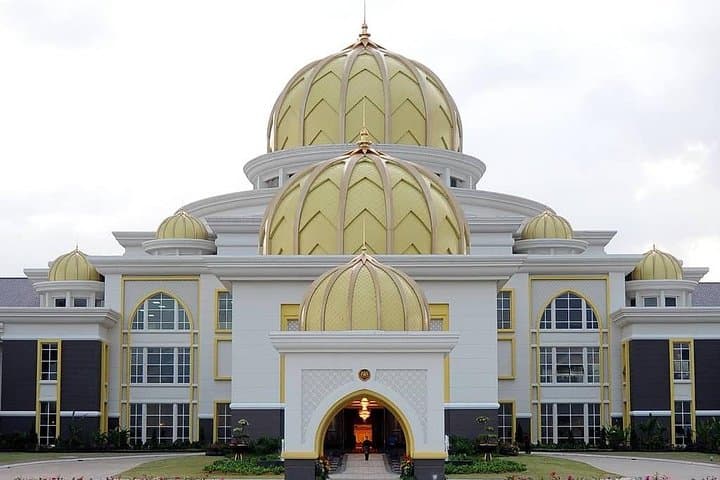
See Malaysia’s contrasts in a single day: the soaring Petronas Towers, the painted climb of Batu Caves, and Putrajaya’s rose‑colored mosque and bridges. This full‑day tour pairs urban landmarks with a quick nature escape and practical routing for first‑time visitors.
See Malaysia’s contrasts in a single day: the soaring Petronas Towers, the painted climb of Batu Caves, and Putrajaya’s rose‑colored mosque and bridges. This full‑day tour pairs urban landmarks with a quick nature escape and practical routing for first‑time visitors.
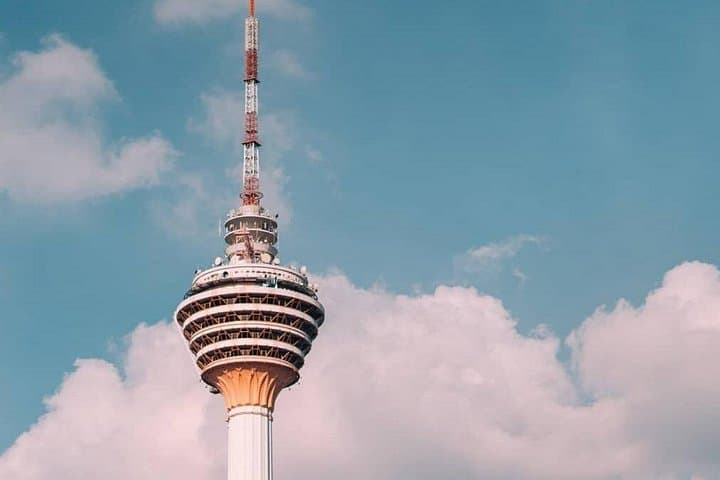
You step out of an air‑conditioned van and the city exhales—steam from street food stalls, the distant glass glint of the Petronas towers, and the green calm of Putrajaya’s waterfront pulling your attention. The route threads between modern skyscrapers and carved stone, delivering rapid contrasts: mosque domes and bridges one moment, a limestone cliff with a thousand painted steps the next.
Verified experiences and guided adventures in the surrounding area.
Operated by RIYAS TRAVEL MALAYSIA · Kuala Lumpur, Kuala Lumpur
You step out of an air‑conditioned van and the city exhales—steam from street food stalls, the distant glass glint of the Petronas towers, and the green calm of Putrajaya’s waterfront pulling your attention. The route threads between modern skyscrapers and carved stone, delivering rapid contrasts: mosque domes and bridges one moment, a limestone cliff with a thousand painted steps the next.
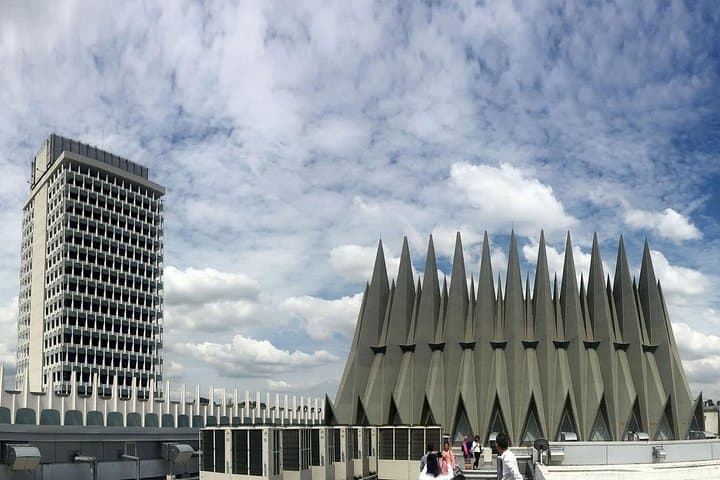
Batu Caves sits on an ancient karst outcrop that predates the city; its shrines and Hindu murals grew around a natural cavern system used for worship for centuries. Kuala Lumpur’s urban core, by contrast, rose in the colonial and oil-boom eras—Merdeka Square and the Sultan Abdul Samad building show Moorish and Victorian influences, while the Petronas Towers declare contemporary ambition. Putrajaya, planned in the 1990s as a federal administrative center, offers engineered vistas: pink granite mosques, sculpted bridges and man-made lakes designed to cool the heat.
Expect short walks, photography stops, and a steep climb of 272 painted steps at Batu Caves to reach the main temple chamber; monkeys may inspect bags and the air can swing from humid to breezy along the waterfront. Cultural etiquette matters—modest dress and headscarves for mosque visits are required for women.
Practical guidance: carry water, wear closed-toe shoes for the caves and stairs, and plan for Kuala Lumpur traffic—pickups are scheduled from major hotels but factor in rush hours. The tour runs about eight hours and suits most fitness levels who can handle a single, sustained stair climb.
easy.
8 hours.
Suitable for most fitness levels; participants should be able to climb a long flight of stairs (272 steps) and walk short distances between sites.
The tour runs approximately eight hours; exact pickup and drop‑off times depend on your hotel and local traffic—confirm when booking.
The tour includes hotel pickup/drop‑off and listed entrance fees; check the booking page for any optional paid extras like tower observation decks.
Yes—short walking and stair climbing are involved; children and seniors can participate but should be able to manage the 272 steps or remain at the base while others climb.
Modest clothing covering shoulders and knees is required; women may need to wear a headscarf, which is often provided if you don't have one.
Batu Caves developed around a natural karst limestone system and became a major Hindu pilgrimage site; Kuala Lumpur grew from tin‑mining and colonial trade into Malaysia’s modern capital.
Visitors should avoid feeding monkeys and stick to marked paths to protect cave formations; Putrajaya’s lake and parks are actively managed for water quality and urban biodiversity.
RIYAS TRAVEL MALAYSIA operates guided outdoor trips and adventures with an emphasis on safety, stewardship, and memorable experiences.
You step out of an air‑conditioned van and the city exhales—steam from street food stalls, the distant glass glint of the Petronas towers, and the green calm of Putrajaya’s waterfront pulling your attention. The route threads between modern skyscrapers and carved stone, delivering rapid contrasts: mosque domes and bridges one moment, a limestone cliff with a thousand painted steps the next.
You step out of an air‑conditioned van and the city exhales—steam from street food stalls, the distant glass glint of the Petronas towers, and the green calm of Putrajaya’s waterfront pulling your attention. The route threads between modern skyscrapers and carved stone, delivering rapid contrasts: mosque domes and bridges one moment, a limestone cliff with a thousand painted steps the next.
Batu Caves sits on an ancient karst outcrop that predates the city; its shrines and Hindu murals grew around a natural cavern system used for worship for centuries. Kuala Lumpur’s urban core, by contrast, rose in the colonial and oil-boom eras—Merdeka Square and the Sultan Abdul Samad building show Moorish and Victorian influences, while the Petronas Towers declare contemporary ambition. Putrajaya, planned in the 1990s as a federal administrative center, offers engineered vistas: pink granite mosques, sculpted bridges and man-made lakes designed to cool the heat.
Expect short walks, photography stops, and a steep climb of 272 painted steps at Batu Caves to reach the main temple chamber; monkeys may inspect bags and the air can swing from humid to breezy along the waterfront. Cultural etiquette matters—modest dress and headscarves for mosque visits are required for women.
Practical guidance: carry water, wear closed-toe shoes for the caves and stairs, and plan for Kuala Lumpur traffic—pickups are scheduled from major hotels but factor in rush hours. The tour runs about eight hours and suits most fitness levels who can handle a single, sustained stair climb.