THE ADVENTURE COLLECTIVE® · Independent discovery and booking for outdoor travel

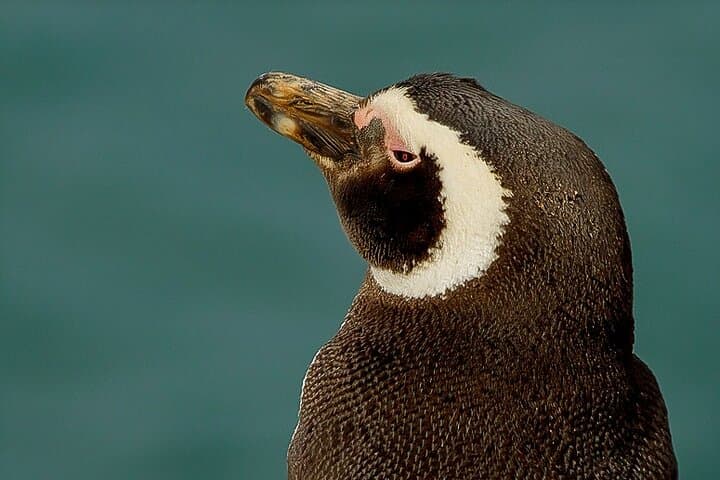
Spend a day on Patagonian coastlines watching half a million Magellanic penguins at Punta Tombo. This full-day tour from Puerto Madryn delivers close-up colony access, an interpretive center visit, and practical guidance for a responsible wildlife experience.
Spend a day on Patagonian coastlines watching half a million Magellanic penguins at Punta Tombo. This full-day tour from Puerto Madryn delivers close-up colony access, an interpretive center visit, and practical guidance for a responsible wildlife experience.
A salt-salted wind meets you before the parking lot — the Atlantic pushing pebbles, the penguins answering with distant brays. Early-morning pickup in Puerto Madryn unfolds into two hours of Patagonian road: low scrub, ochre plains and the occasional wind-bent shrub framing long horizons. When the reserve appears, the scale of the colony becomes obvious — patches of black-and-white bodies moving like a low tide across the beach.
Verified experiences and guided adventures in the surrounding area.
Operated by Say Hueque Travel · Puerto Madryn, Chubut
A salt-salted wind meets you before the parking lot — the Atlantic pushing pebbles, the penguins answering with distant brays. Early-morning pickup in Puerto Madryn unfolds into two hours of Patagonian road: low scrub, ochre plains and the occasional wind-bent shrub framing long horizons. When the reserve appears, the scale of the colony becomes obvious — patches of black-and-white bodies moving like a low tide across the beach.
Punta Tombo sits on a granitic headland carved by sea and time, and it became a provincial reserve to protect the largest Magellanic penguin colony on the continent. The region has layered human stories too: coastal maritime traditions and inland Welsh settlements visible in nearby towns. At the interpretive center, simple exhibits explain nesting cycles, chick rearing and research work that keeps the population monitored.
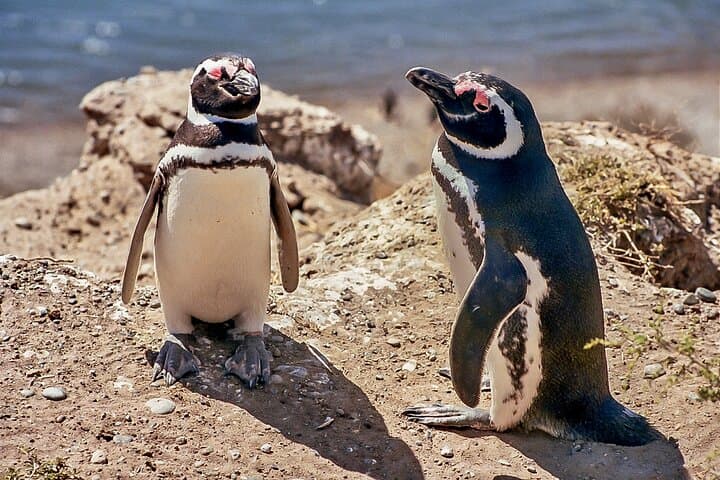
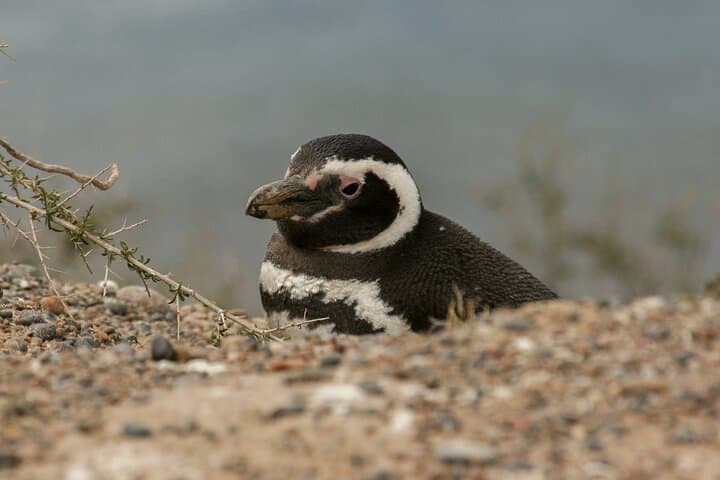
On the trails you walk among burrows and waddling adults — the penguins largely indifferent to human passage when visitors stay on boardwalks and follow rules. The landscape is honest: short grass, compact clay soils and exposed coastline that can change from glassy calm to wind-driven surf in minutes.
Practical notes: expect three hours inside the reserve, plus time for the center and travel. Entrance fees are paid on-site; bring layers, sun protection and cash. Photography is allowed but avoid flash and do not touch nests. Hydrate before you arrive and plan the day around tidal and wind conditions; guides will adapt timing if weather shifts. This is straightforward wildlife viewing with high emotional payoff and minimal technical demand.
easy.
8 hours.
Light fitness required — able to walk flat, uneven boardwalks and coastal trails for up to three hours during the reserve visit.
Approximately 120 km (75 miles) and about two hours each way by road, depending on traffic and stops.
Yes — the reserve offers accessible paths and the tour notes indicate strollers and infant seats are supported, but expect uneven sections.
Yes, reserve entrance is typically paid on-site; bring local currency as card acceptance can be limited.
October through March is peak season for nesting and chick rearing, when penguin activity is highest.
The reserve was established to protect Magellanic penguins and the coastal ecology; the surrounding region also shows influences from indigenous Tehuelche peoples and later European (notably Welsh) settlers.
Stay on designated trails, avoid touching wildlife and carry out trash — entrance fees and visitor rules support ongoing research and habitat protection.
Say Hueque Travel operates guided outdoor trips and adventures with an emphasis on safety, stewardship, and memorable experiences.
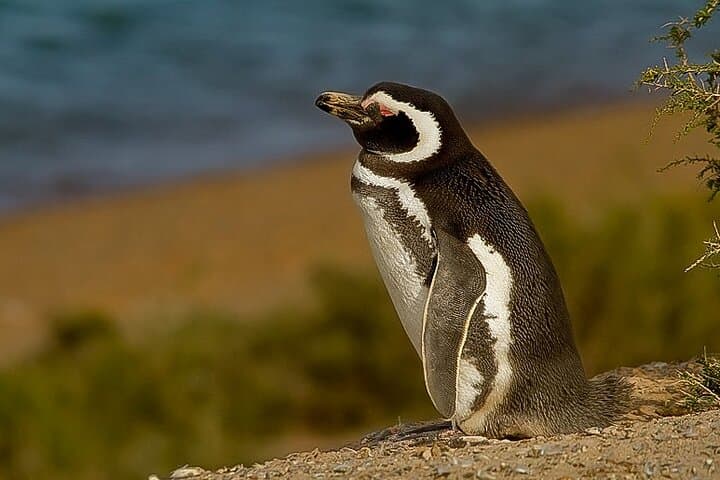
A salt-salted wind meets you before the parking lot — the Atlantic pushing pebbles, the penguins answering with distant brays. Early-morning pickup in Puerto Madryn unfolds into two hours of Patagonian road: low scrub, ochre plains and the occasional wind-bent shrub framing long horizons. When the reserve appears, the scale of the colony becomes obvious — patches of black-and-white bodies moving like a low tide across the beach.
A salt-salted wind meets you before the parking lot — the Atlantic pushing pebbles, the penguins answering with distant brays. Early-morning pickup in Puerto Madryn unfolds into two hours of Patagonian road: low scrub, ochre plains and the occasional wind-bent shrub framing long horizons. When the reserve appears, the scale of the colony becomes obvious — patches of black-and-white bodies moving like a low tide across the beach.
Punta Tombo sits on a granitic headland carved by sea and time, and it became a provincial reserve to protect the largest Magellanic penguin colony on the continent. The region has layered human stories too: coastal maritime traditions and inland Welsh settlements visible in nearby towns. At the interpretive center, simple exhibits explain nesting cycles, chick rearing and research work that keeps the population monitored.
On the trails you walk among burrows and waddling adults — the penguins largely indifferent to human passage when visitors stay on boardwalks and follow rules. The landscape is honest: short grass, compact clay soils and exposed coastline that can change from glassy calm to wind-driven surf in minutes.
Practical notes: expect three hours inside the reserve, plus time for the center and travel. Entrance fees are paid on-site; bring layers, sun protection and cash. Photography is allowed but avoid flash and do not touch nests. Hydrate before you arrive and plan the day around tidal and wind conditions; guides will adapt timing if weather shifts. This is straightforward wildlife viewing with high emotional payoff and minimal technical demand.