THE ADVENTURE COLLECTIVE® · Independent discovery and booking for outdoor travel

A full-day coastal escape from Montevideo that packs panoramic viewpoints, Casapueblo’s artful architecture, and a distant colony of sea lions into one long, scenic loop. Expect easy walking, guided stops, and a generous stretch of free time in Punta del Este.
A full-day coastal escape from Montevideo that packs panoramic viewpoints, Casapueblo’s artful architecture, and a distant colony of sea lions into one long, scenic loop. Expect easy walking, guided stops, and a generous stretch of free time in Punta del Este.
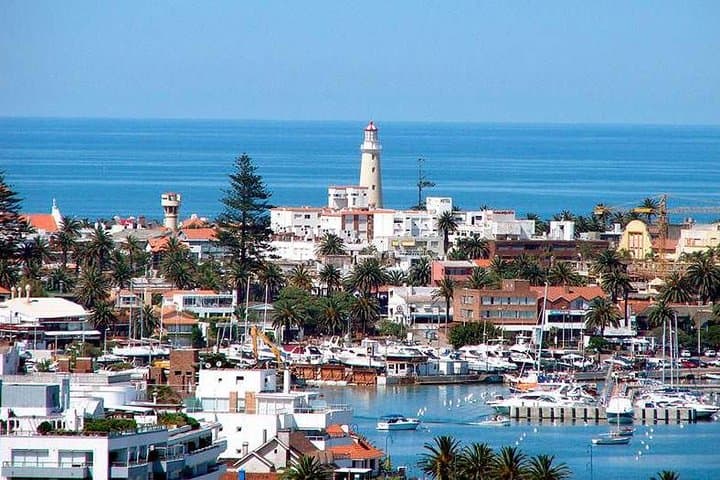
The bus eases out of Montevideo as the Río de la Plata widens and the coastline stretches into sun-scoured dunes. Within an hour the city’s flat grid gives way to rolling hills; by midmorning you’re on Cerro San Antonio, the wind pushing you toward a wide view of Punta del Este’s twin beaches — the calm Mansa and the surf-bitten Brava — each with its own personality.
Verified experiences and guided adventures in the surrounding area.
Operated by Mejor Uruguay Turismo · Punta del Este, Maldonado
The bus eases out of Montevideo as the Río de la Plata widens and the coastline stretches into sun-scoured dunes. Within an hour the city’s flat grid gives way to rolling hills; by midmorning you’re on Cerro San Antonio, the wind pushing you toward a wide view of Punta del Este’s twin beaches — the calm Mansa and the surf-bitten Brava — each with its own personality.
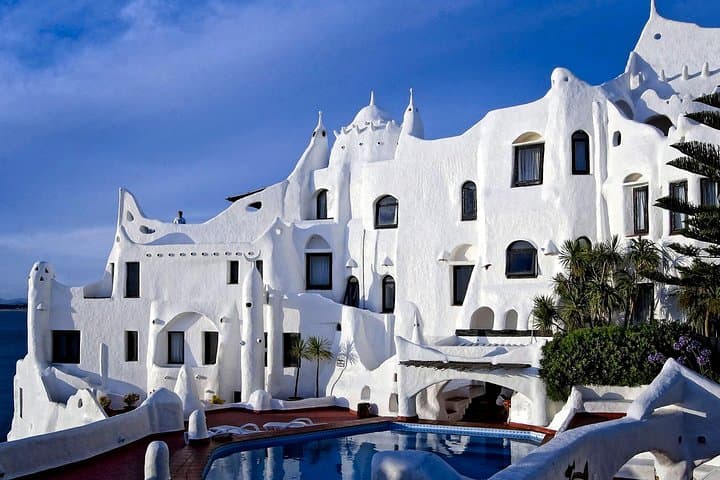
This route threads together the region’s recent cultural and maritime history. Punta del Este rose as a seaside resort in the early 20th century; Casapueblo, Carlos Páez Vilaró’s white sculpted house and gallery, is a modern landmark that blends art, architecture, and sunset rituals. Offshore, Isla de Lobos hosts one of the largest South American sea lion colonies — a reminder that this coast has long been defined by its relationship with the sea and fishing communities.
Expect paved roads, short walks at viewpoints, and a longer free-time stop in town for lunch and beachside exploration. Guides typically schedule photo stops (Cerro San Antonio, Casapueblo, a sea-lion viewpoint) and allow two hours of independent time in Punta del Este to grab seafood, shop artisan stalls, or walk the Avenida Gorlero.
Practical edge: carry a reusable water bottle, layered clothes for coastal wind, and local currency for small vendors. If you want boat access to Isla de Lobos, check in advance — not all full-day bus tours include a boat ride. Plan your pickup in Montevideo early; it’s a long, rewarding day with easy walking and frequent scenic highlights.
easy.
9–10 hours.
Suitable for most fitness levels; expect short periods of standing and walking on paved and packed-sand surfaces
Most departures are from central Montevideo pickup points; confirm your selected pickup location and expected return time when you book.
Admission to Casapueblo or other museums is not always included — check the tour details and bring cash for entrance fees if needed.
You can view the colony from coastal vantage points on many tours; boat landing access depends on weather and the operator’s itinerary.
Yes — the operator notes stroller accessibility and infant seating availability, but expect some short walks on uneven surfaces at viewpoints.
Punta del Este grew into a resort town in the late 19th and early 20th centuries; Casapueblo, built by artist Carlos Páez Vilaró, is both museum and cultural landmark.
Isla de Lobos is a protected area; visitors are asked to keep distance from colonies and avoid disturbing wildlife, and to minimize single-use plastics on the coast.
Mejor Uruguay Turismo operates guided outdoor trips and adventures with an emphasis on safety, stewardship, and memorable experiences.
The bus eases out of Montevideo as the Río de la Plata widens and the coastline stretches into sun-scoured dunes. Within an hour the city’s flat grid gives way to rolling hills; by midmorning you’re on Cerro San Antonio, the wind pushing you toward a wide view of Punta del Este’s twin beaches — the calm Mansa and the surf-bitten Brava — each with its own personality.
The bus eases out of Montevideo as the Río de la Plata widens and the coastline stretches into sun-scoured dunes. Within an hour the city’s flat grid gives way to rolling hills; by midmorning you’re on Cerro San Antonio, the wind pushing you toward a wide view of Punta del Este’s twin beaches — the calm Mansa and the surf-bitten Brava — each with its own personality.
This route threads together the region’s recent cultural and maritime history. Punta del Este rose as a seaside resort in the early 20th century; Casapueblo, Carlos Páez Vilaró’s white sculpted house and gallery, is a modern landmark that blends art, architecture, and sunset rituals. Offshore, Isla de Lobos hosts one of the largest South American sea lion colonies — a reminder that this coast has long been defined by its relationship with the sea and fishing communities.
Expect paved roads, short walks at viewpoints, and a longer free-time stop in town for lunch and beachside exploration. Guides typically schedule photo stops (Cerro San Antonio, Casapueblo, a sea-lion viewpoint) and allow two hours of independent time in Punta del Este to grab seafood, shop artisan stalls, or walk the Avenida Gorlero.
Practical edge: carry a reusable water bottle, layered clothes for coastal wind, and local currency for small vendors. If you want boat access to Isla de Lobos, check in advance — not all full-day bus tours include a boat ride. Plan your pickup in Montevideo early; it’s a long, rewarding day with easy walking and frequent scenic highlights.