THE ADVENTURE COLLECTIVE® · Independent discovery and booking for outdoor travel

Spend a full day from Punta Cana into Samaná Bay to watch humpback whales in winter and relax on Cayo Levantado. This full-day excursion blends focused whale watching with a beachside lunch and island time.
Spend a full day from Punta Cana into Samaná Bay to watch humpback whales in winter and relax on Cayo Levantado. This full-day excursion blends focused whale watching with a beachside lunch and island time.
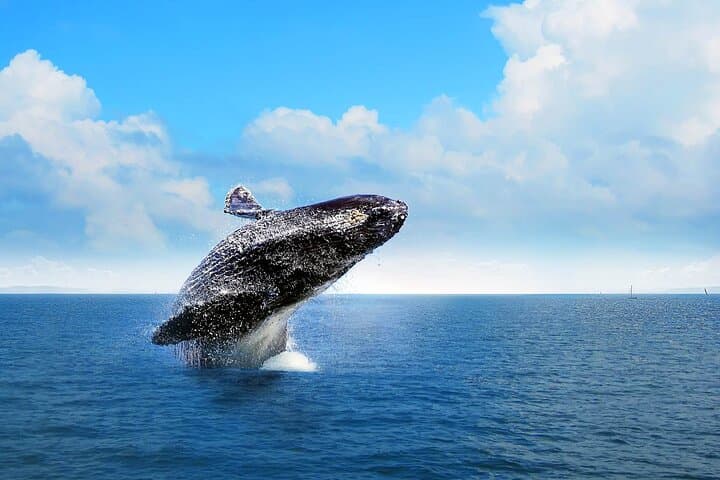
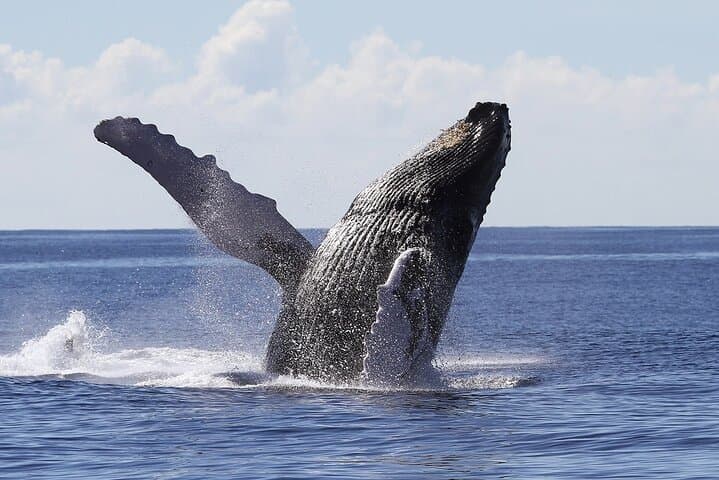
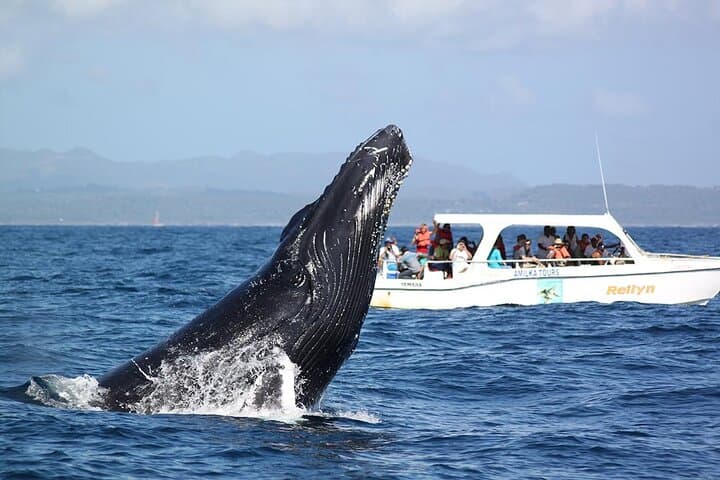
Early light across Punta Cana’s resorts gives way to highway rhythm as the tour bus heads northwest toward Las Canitas and the wide mouth of Samaná Bay. By the time the boat slips off the pier, the ocean has a different voice — a patient, rolling hush that gets punctuated by the sudden, theatrical spout or tail-slap of a humpback.
Verified experiences and guided adventures in the surrounding area.
Operated by Living Punta Cana Tours (LPC Tours) · Punta Cana, La Altagracia
Early light across Punta Cana’s resorts gives way to highway rhythm as the tour bus heads northwest toward Las Canitas and the wide mouth of Samaná Bay. By the time the boat slips off the pier, the ocean has a different voice — a patient, rolling hush that gets punctuated by the sudden, theatrical spout or tail-slap of a humpback.
Samaná Bay is one of the Caribbean’s primary humpback breeding grounds, where whales return each winter to mate and calve. The coastline here is limestone and coral-built, carved by currents and centuries of storms into mangrove fingers and sheltered coves. Cayo Levantado — “Bacardi Island” to many visitors — sits like a coral tooth off the bay, its beaches offering a calm counterpoint to the intensity of whale encounters.
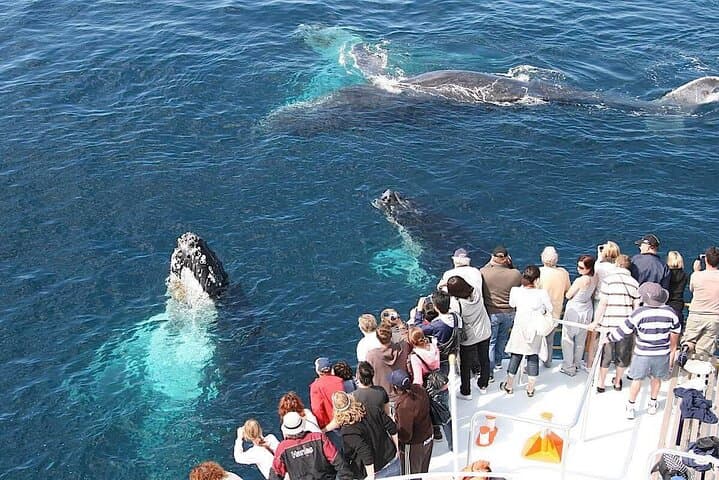
Local culture mixes fishing village rhythms with tour hospitality: Sabana de la Mar and Las Canitas still retain working docks, while Cayo Levantado leans into visitor services and fresh Dominican meals. Guides on whale trips follow standard marine-watch protocols — keeping distance, minimizing engine noise, and prioritizing animal welfare.
Practical guidance: expect a full 10-hour day with early pickup, about 45 minutes of whale observation from the boat, and roughly 90 minutes on Cayo Levantado. Bring sun protection, refillable water, and seasickness remedies if you’re prone to motion sickness. Dress in lightweight, quick-dry layers and secure camera gear with a strap; phones capture moments but binoculars and a zoom lens reveal behavior.
This trip pairs wildlife spectacle with a relaxed island afternoon — a demanding, rewarding day on the water best booked during peak season (January–March).
moderate.
10 hours.
Requires moderate fitness — boarding boats and standing during sightings, plus a full day of travel and light walking on the island.
Peak season runs from January through the end of March; sightings are most reliable during those months when whales are breeding and calving.
Yes — this tour includes a traditional Dominican lunch and open drinks (rum, soft drinks, water) as stated in the inclusion list.
Yes; the island has beach areas suitable for swimming during the afternoon stop, but always heed local advice about currents and lifeguard presence.
The operator advises against participation for travelers with spinal injuries, pregnancy, or serious cardiovascular conditions; consult your doctor beforehand.
Samaná Bay has long been a seasonal home for humpbacks and was historically a landing point for indigenous Taíno communities and later a diverse coastal economy of fishing and small-scale agriculture.
Responsible operators observe approach guidelines to minimize disturbance; support local guides and avoid single-use plastics to reduce your trip’s impact.
Living Punta Cana Tours (LPC Tours) operates guided outdoor trips and adventures with an emphasis on safety, stewardship, and memorable experiences.
Early light across Punta Cana’s resorts gives way to highway rhythm as the tour bus heads northwest toward Las Canitas and the wide mouth of Samaná Bay. By the time the boat slips off the pier, the ocean has a different voice — a patient, rolling hush that gets punctuated by the sudden, theatrical spout or tail-slap of a humpback.
Early light across Punta Cana’s resorts gives way to highway rhythm as the tour bus heads northwest toward Las Canitas and the wide mouth of Samaná Bay. By the time the boat slips off the pier, the ocean has a different voice — a patient, rolling hush that gets punctuated by the sudden, theatrical spout or tail-slap of a humpback.
Samaná Bay is one of the Caribbean’s primary humpback breeding grounds, where whales return each winter to mate and calve. The coastline here is limestone and coral-built, carved by currents and centuries of storms into mangrove fingers and sheltered coves. Cayo Levantado — “Bacardi Island” to many visitors — sits like a coral tooth off the bay, its beaches offering a calm counterpoint to the intensity of whale encounters.
Local culture mixes fishing village rhythms with tour hospitality: Sabana de la Mar and Las Canitas still retain working docks, while Cayo Levantado leans into visitor services and fresh Dominican meals. Guides on whale trips follow standard marine-watch protocols — keeping distance, minimizing engine noise, and prioritizing animal welfare.
Practical guidance: expect a full 10-hour day with early pickup, about 45 minutes of whale observation from the boat, and roughly 90 minutes on Cayo Levantado. Bring sun protection, refillable water, and seasickness remedies if you’re prone to motion sickness. Dress in lightweight, quick-dry layers and secure camera gear with a strap; phones capture moments but binoculars and a zoom lens reveal behavior.
This trip pairs wildlife spectacle with a relaxed island afternoon — a demanding, rewarding day on the water best booked during peak season (January–March).