THE ADVENTURE COLLECTIVE® · Independent discovery and booking for outdoor travel

Explore Pune’s Peshwa palaces, hill temples, and independence-era landmarks in a private car with a local guide. This eight-hour circuit covers Shaniwar Wada, Lal Mahal, Aga Khan Palace and more with hotel pickup and lunch included.
Explore Pune’s Peshwa palaces, hill temples, and independence-era landmarks in a private car with a local guide. This eight-hour circuit covers Shaniwar Wada, Lal Mahal, Aga Khan Palace and more with hotel pickup and lunch included.
Morning in Pune opens with traffic that hums like a living instrument — the private car eases through tree-lined avenues toward the brick silhouette of Shaniwar Wada. The palace gates, weathered and earnest, frame the city’s Peshwa-era chapter; inside, stone stairways and battered walls hint at 18th-century ambition and the fire that scarred its wooden pavilions.
Verified experiences and guided adventures in the surrounding area.
Operated by Trodly · Pune, Maharashtra
Morning in Pune opens with traffic that hums like a living instrument — the private car eases through tree-lined avenues toward the brick silhouette of Shaniwar Wada. The palace gates, weathered and earnest, frame the city’s Peshwa-era chapter; inside, stone stairways and battered walls hint at 18th-century ambition and the fire that scarred its wooden pavilions.
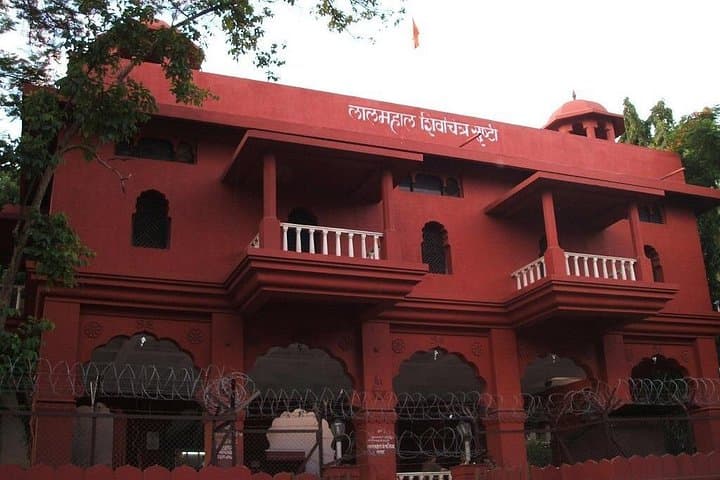
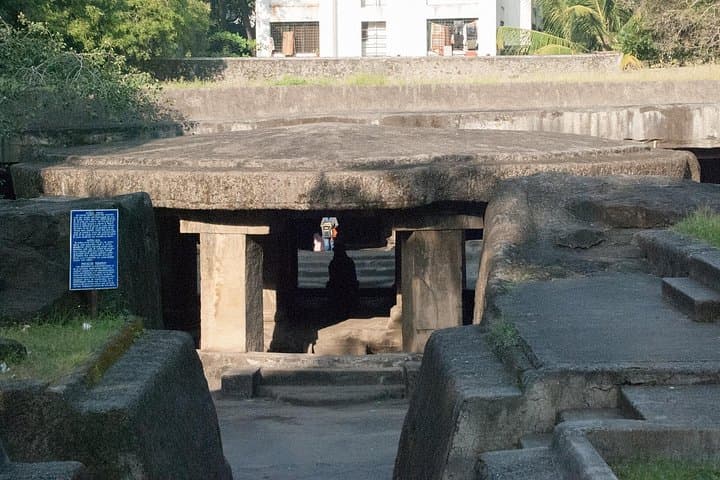
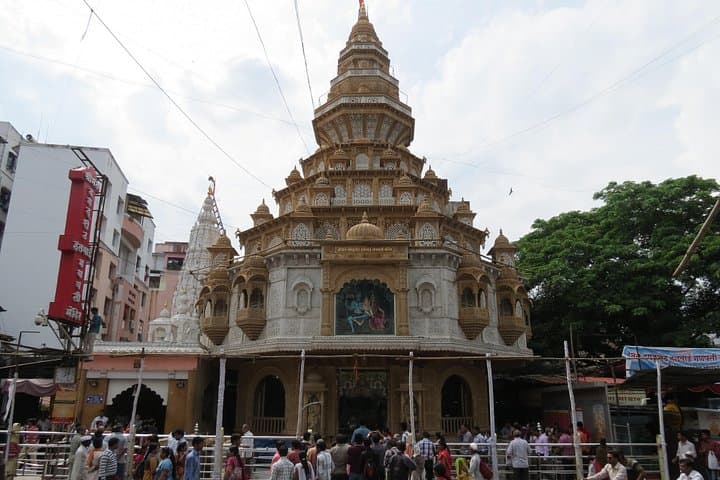
The day moves methodically: Lal Mahal’s reconstruction narrative, the intimate rituals at Dagadusheth Halwai Ganapati, the cool carved hollows of the Pataleshwar rock-cut temple, and the stately veranda of Aga Khan Palace where the independence movement found shelter. St. Mary’s Church and a modern museum dedicated to Sandhu T.L. Vaswani add colonial and contemporary layers to Pune’s civic story.
Geology is subtle here — Deccan plateau basalt underfoot, small outcrops shaped by millennia of erosion. Culture is immediate: vendors on Laxmi Road call out for paan and poha, while local priests tend temple lamps. The guide’s knowledge ties dates and dynasties to present-day neighborhoods, painting a city both pragmatic and proud.
Practicalities are straightforward: this is an eight-hour private-car circuit with hotel pickup, AC comfort, and a provided lunch. Wear breathable clothes and comfortable shoes for short walks between sites. Expect moderate traffic, modest admission fees at some sites, and crowded temples during festivals. Carry a reusable water bottle, small local currency for offerings and market purchases, and allow flexibility in the schedule — Pune’s tempo can be leisurely or rushed depending on timing. The tour is ideal for travelers who want a compact, contextual introduction to Pune’s history and living culture.
easy.
8 hours.
Minimal walking between close sites; participants should be comfortable entering and exiting a vehicle multiple times.
Admission fees are not always included—some sites require a small ticket that the guide will advise you about in advance.
Yes; this is a private tour and the guide can adjust stops based on interest, though some timings depend on site hours.
Accessibility varies—modern sites like Aga Khan Palace have ramps, while older palaces and rock-cut temples have steps; notify the operator when booking.
Guides commonly speak English and Hindi; confirm language preferences when booking to ensure a good match.
Pune rose to prominence as the seat of the Peshwas in the 18th century; Shaniwar Wada was their fortified palace and Aga Khan Palace later served as a wartime prison and shelter connected to Gandhi’s movement.
Pune’s heritage sites face wear from urban pressure—respect visiting rules, avoid littering, and use refillable bottles to minimize plastic in sensitive areas.
Trodly operates guided outdoor trips and adventures with an emphasis on safety, stewardship, and memorable experiences.
Morning in Pune opens with traffic that hums like a living instrument — the private car eases through tree-lined avenues toward the brick silhouette of Shaniwar Wada. The palace gates, weathered and earnest, frame the city’s Peshwa-era chapter; inside, stone stairways and battered walls hint at 18th-century ambition and the fire that scarred its wooden pavilions.
Morning in Pune opens with traffic that hums like a living instrument — the private car eases through tree-lined avenues toward the brick silhouette of Shaniwar Wada. The palace gates, weathered and earnest, frame the city’s Peshwa-era chapter; inside, stone stairways and battered walls hint at 18th-century ambition and the fire that scarred its wooden pavilions.
The day moves methodically: Lal Mahal’s reconstruction narrative, the intimate rituals at Dagadusheth Halwai Ganapati, the cool carved hollows of the Pataleshwar rock-cut temple, and the stately veranda of Aga Khan Palace where the independence movement found shelter. St. Mary’s Church and a modern museum dedicated to Sandhu T.L. Vaswani add colonial and contemporary layers to Pune’s civic story.
Geology is subtle here — Deccan plateau basalt underfoot, small outcrops shaped by millennia of erosion. Culture is immediate: vendors on Laxmi Road call out for paan and poha, while local priests tend temple lamps. The guide’s knowledge ties dates and dynasties to present-day neighborhoods, painting a city both pragmatic and proud.
Practicalities are straightforward: this is an eight-hour private-car circuit with hotel pickup, AC comfort, and a provided lunch. Wear breathable clothes and comfortable shoes for short walks between sites. Expect moderate traffic, modest admission fees at some sites, and crowded temples during festivals. Carry a reusable water bottle, small local currency for offerings and market purchases, and allow flexibility in the schedule — Pune’s tempo can be leisurely or rushed depending on timing. The tour is ideal for travelers who want a compact, contextual introduction to Pune’s history and living culture.