THE ADVENTURE COLLECTIVE® · Independent discovery and booking for outdoor travel

Depart Puerto Natales for a long, scenic day to Perito Moreno Glacier: metal walkways, thunderous calving, and wide Patagonian plains. Read on for what to expect, border logistics, and packing tips.
Depart Puerto Natales for a long, scenic day to Perito Moreno Glacier: metal walkways, thunderous calving, and wide Patagonian plains. Read on for what to expect, border logistics, and packing tips.
A pre-dawn bus rolls out of Puerto Natales and the road narrows into wind-thinned steppe. Dawn slides across the Patagonian plain and, hours later, the blue face of Perito Moreno appears on the horizon like a moving wall. Visitors step onto a network of metal walkways that thread along the ice front; each viewpoint offers a different angle on the cliff where ice calves with a thundering, aquatic finality that dares you to blink.
Verified experiences and guided adventures in the surrounding area.
Operated by Ruta Chile · El Calafate, Santa Cruz
A pre-dawn bus rolls out of Puerto Natales and the road narrows into wind-thinned steppe. Dawn slides across the Patagonian plain and, hours later, the blue face of Perito Moreno appears on the horizon like a moving wall. Visitors step onto a network of metal walkways that thread along the ice front; each viewpoint offers a different angle on the cliff where ice calves with a thundering, aquatic finality that dares you to blink.
The glacier sits in Los Glaciares National Park, a UNESCO site carved by repeated ice advances and shaped by the Southern Patagonian Ice Field. Named after Francisco P. Moreno, Perito Moreno is unusual here for its periodic advance and dramatic calving, fed by a drainage basin whose geology reveals layers of glacial moraine and sculpted granite.
Culturally, the border crossing between Chile and Argentina is a practical reminder of regional connections: villages around Lago Argentino developed around sheep estancias and the seasonal rhythms of ice and wind. Local operators gear their timing to the best light for viewing and to Argentina’s park rules.
Practical guidance: the trip is a long day—plan for 14–16 hours round trip, bring your passport for immigration checks, and dress in layers with a waterproof shell. Footwear should be sturdy for wet walkways. Bring snacks, water, and binoculars to pick out sculpted seracs and distant calving events. Restroom stops are limited—use facilities before boarding.
Expect an accessible, low-technical tour focused on landscape and viewing rather than hiking; the payoff is a front-row seat to one of Patagonia’s most dynamic glaciers and an uncompromising lesson in how ice shapes place.
easy.
14–16 hours.
Suitable for most fitness levels; requires ability to walk short distances on metal walkways and stand for viewing.
Yes. The trip crosses into Argentina from Chile; all passengers must present a current valid passport at border controls.
Park admission or optional navigation may not be included—check the operator details and bring local currency if needed for optional activities.
No—walkways are short and well-maintained, though they can be wet and windy; minimal mobility is required but the tour is not wheelchair accessible.
Often, yes—calving is intermittent and unpredictable, but the viewing platforms give multiple angles and increase your chance to witness icefalls.
Perito Moreno is named after explorer Francisco P. Moreno and lies within Los Glaciares National Park, created to protect the region’s glacial landscape.
Park rules limit access to marked walkways to protect fragile shorelines; tourism and cross-border travel require careful waste and footprint management.
Ruta Chile operates guided outdoor trips and adventures with an emphasis on safety, stewardship, and memorable experiences.
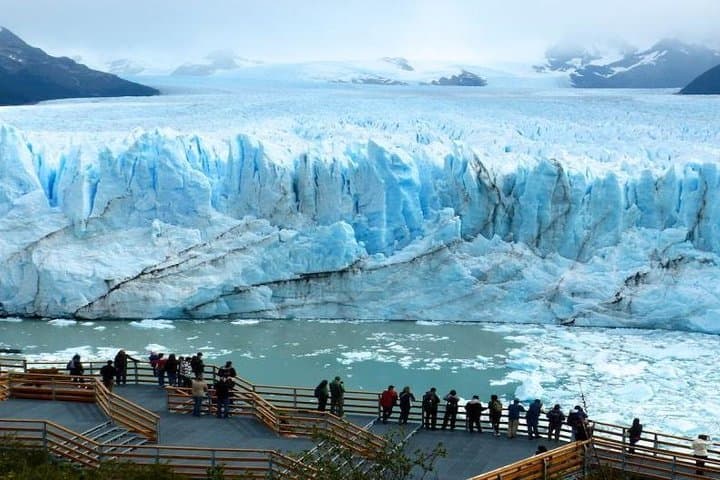
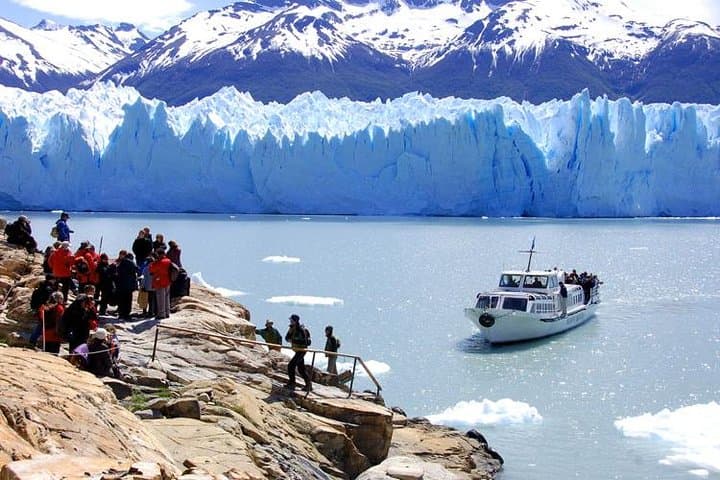
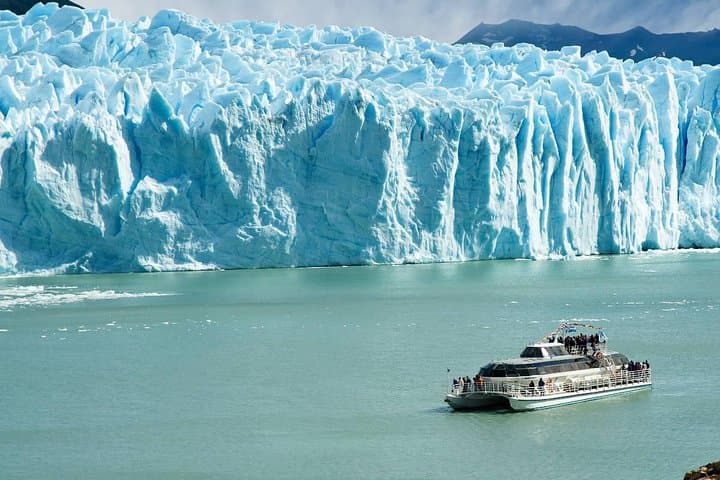
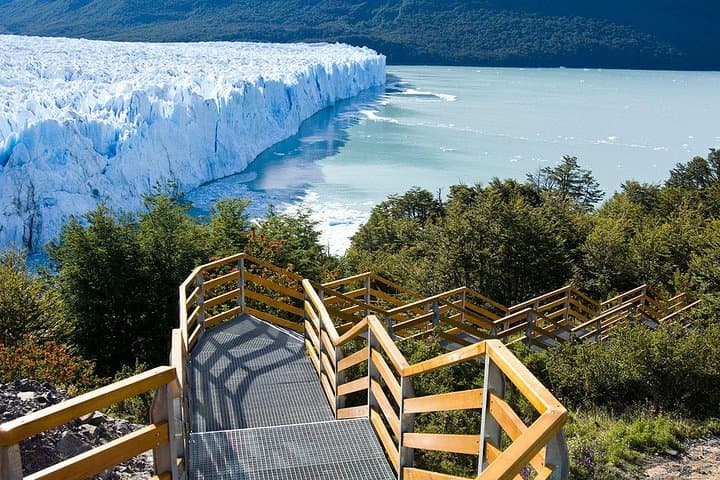
A pre-dawn bus rolls out of Puerto Natales and the road narrows into wind-thinned steppe. Dawn slides across the Patagonian plain and, hours later, the blue face of Perito Moreno appears on the horizon like a moving wall. Visitors step onto a network of metal walkways that thread along the ice front; each viewpoint offers a different angle on the cliff where ice calves with a thundering, aquatic finality that dares you to blink.
A pre-dawn bus rolls out of Puerto Natales and the road narrows into wind-thinned steppe. Dawn slides across the Patagonian plain and, hours later, the blue face of Perito Moreno appears on the horizon like a moving wall. Visitors step onto a network of metal walkways that thread along the ice front; each viewpoint offers a different angle on the cliff where ice calves with a thundering, aquatic finality that dares you to blink.
The glacier sits in Los Glaciares National Park, a UNESCO site carved by repeated ice advances and shaped by the Southern Patagonian Ice Field. Named after Francisco P. Moreno, Perito Moreno is unusual here for its periodic advance and dramatic calving, fed by a drainage basin whose geology reveals layers of glacial moraine and sculpted granite.
Culturally, the border crossing between Chile and Argentina is a practical reminder of regional connections: villages around Lago Argentino developed around sheep estancias and the seasonal rhythms of ice and wind. Local operators gear their timing to the best light for viewing and to Argentina’s park rules.
Practical guidance: the trip is a long day—plan for 14–16 hours round trip, bring your passport for immigration checks, and dress in layers with a waterproof shell. Footwear should be sturdy for wet walkways. Bring snacks, water, and binoculars to pick out sculpted seracs and distant calving events. Restroom stops are limited—use facilities before boarding.
Expect an accessible, low-technical tour focused on landscape and viewing rather than hiking; the payoff is a front-row seat to one of Patagonia’s most dynamic glaciers and an uncompromising lesson in how ice shapes place.