THE ADVENTURE COLLECTIVE® · Independent discovery and booking for outdoor travel

Spend a full day from Avignon driving through Provence’s lavender heart: visit ochre Roussillon, the perched village of Gordes, photo stops at Abbaye de Sénanque, and Sault — timing varies with bloom. This practical guide helps you plan when to go and what to bring.
Spend a full day from Avignon driving through Provence’s lavender heart: visit ochre Roussillon, the perched village of Gordes, photo stops at Abbaye de Sénanque, and Sault — timing varies with bloom. This practical guide helps you plan when to go and what to bring.
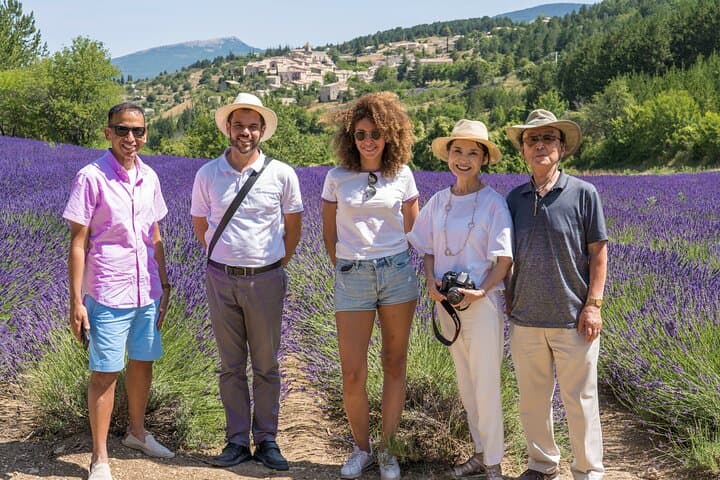
You step out of the minivan at the edge of a lavender field and the air itself seems to lean toward the rows, heavy with scent. Wind teases the purple stems and the fields ripple like a slow ocean; the colors push you forward, camera ready.
Verified experiences and guided adventures in the surrounding area.
Operated by A la Francaise Tourisme · Avignon, Provence-Alpes-Côte d'Azur
You step out of the minivan at the edge of a lavender field and the air itself seems to lean toward the rows, heavy with scent. Wind teases the purple stems and the fields ripple like a slow ocean; the colors push you forward, camera ready.
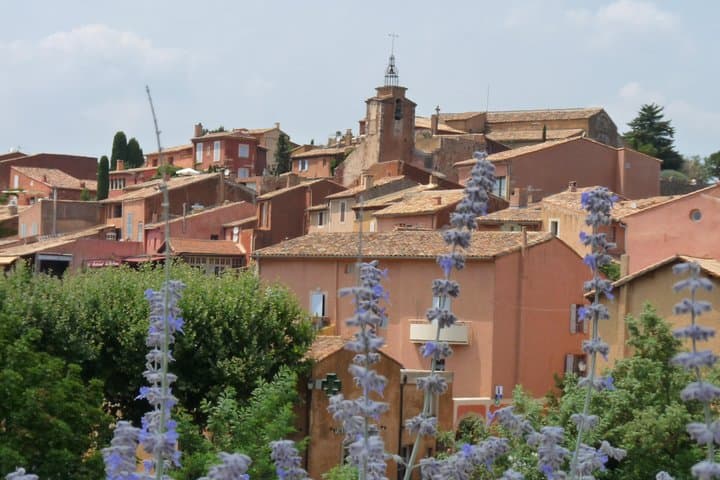
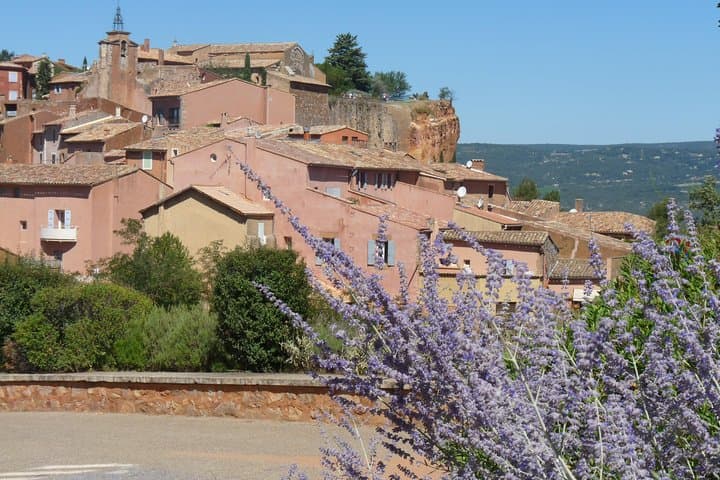
This loop through the Luberon and Vaucluse traces the long relationship between Provençal land and lavender cultivation — a trade that surged in the 18th and 19th centuries as distillation and perfumery expanded. Geology here matters: limestone plateaus and ochre cliffs produce well-drained soils that lavender favors, while Roussillon’s iron-rich ochre gives the village its red face against the violet waves.
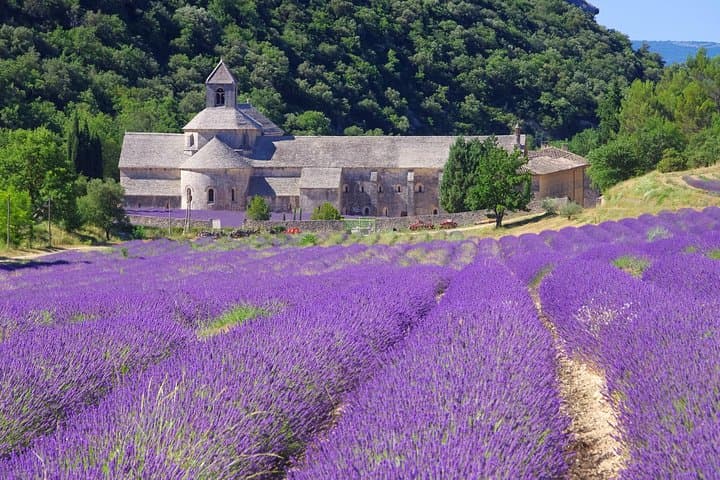
Culture and craft arrive in small doses: dry-stone architecture in Gordes, the quiet cloister of the 12th-century Abbaye of Sénanque, and open-air markets where bundles, honey, and essential oils are sold from wooden stalls. Local distilleries show the simple alchemy from bloom to bottle.
Practical guide: tours run about 8–9 hours, departing Avignon at 8:00 and returning around 16:30 in an air-conditioned minivan; group sizes are small. Bloom times vary by altitude — Roussillon often peaks early June to early July, Sault mid to late July — so the operator may adjust stops. Bring sun protection, at least 1 liter of water, and a compact zoom lens; respect planted rows and stay on paths to protect soils and pollinators. If you want color-filled photos, aim for early morning or late afternoon light when the fields cool and bees slow their work.
easy.
8–9 hours.
Suitable for all fitness levels; mostly seated travel with short walks at stops
Bloom varies by elevation and variety; lower Luberon sites often bloom in late June–early July, while Sault and higher plateaus typically peak mid to late July. Operators may alter the route to match flowering.
The tour meets outside Avignon Tourist Office (41 cours Jean Jaurès) and runs roughly 8–9 hours, typically 8:00–16:30 in an air-conditioned minivan.
Children are welcome but note this operator excludes children under 4 years old; check booking requirements for seat and safety rules.
Transportation and guide services are included; some photo stops and market visits are included, but individual distillery admissions or purchases may be extra and depend on the day's itinerary.
Lavender became economically important in Provence in the 18th–19th centuries as distillation and perfumery expanded; Sénanque Abbey, founded in the 12th century, sits at the valley’s edge and frames many iconic photos.
Fields are working agricultural sites; stay on paths, avoid picking, and support local distillers and producers to help maintain traditional cultivation and pollinator-friendly practices.
A la Francaise Tourisme operates guided outdoor trips and adventures with an emphasis on safety, stewardship, and memorable experiences.
You step out of the minivan at the edge of a lavender field and the air itself seems to lean toward the rows, heavy with scent. Wind teases the purple stems and the fields ripple like a slow ocean; the colors push you forward, camera ready.
You step out of the minivan at the edge of a lavender field and the air itself seems to lean toward the rows, heavy with scent. Wind teases the purple stems and the fields ripple like a slow ocean; the colors push you forward, camera ready.
This loop through the Luberon and Vaucluse traces the long relationship between Provençal land and lavender cultivation — a trade that surged in the 18th and 19th centuries as distillation and perfumery expanded. Geology here matters: limestone plateaus and ochre cliffs produce well-drained soils that lavender favors, while Roussillon’s iron-rich ochre gives the village its red face against the violet waves.
Culture and craft arrive in small doses: dry-stone architecture in Gordes, the quiet cloister of the 12th-century Abbaye of Sénanque, and open-air markets where bundles, honey, and essential oils are sold from wooden stalls. Local distilleries show the simple alchemy from bloom to bottle.
Practical guide: tours run about 8–9 hours, departing Avignon at 8:00 and returning around 16:30 in an air-conditioned minivan; group sizes are small. Bloom times vary by altitude — Roussillon often peaks early June to early July, Sault mid to late July — so the operator may adjust stops. Bring sun protection, at least 1 liter of water, and a compact zoom lens; respect planted rows and stay on paths to protect soils and pollinators. If you want color-filled photos, aim for early morning or late afternoon light when the fields cool and bees slow their work.