THE ADVENTURE COLLECTIVE® · Independent discovery and booking for outdoor travel

Explore Messines Ridge, Passchendaele craters and the Menin Gate with a private guide who threads frontline stories into the landscape. This customizable full-day tour combines battlefield sites, cemeteries and preserved trenches for a focused WWI experience.
Explore Messines Ridge, Passchendaele craters and the Menin Gate with a private guide who threads frontline stories into the landscape. This customizable full-day tour combines battlefield sites, cemeteries and preserved trenches for a focused WWI experience.
You step out of the air-conditioned vehicle onto sodden grass and hear the hollow hush of a field that once held artillery. Low ridges and crater rims cut the skyline; the smell of earth after rain presses close, and the guide’s voice threads names into the landscape — dates, units, brief flickers of life. This is not a hike but a moving walk through places where strategy, geology and human endurance intersect.
Verified experiences and guided adventures in the surrounding area.
Operated by taxiGo Limo Airport Service · Ypres (Ieper), West Flanders
You step out of the air-conditioned vehicle onto sodden grass and hear the hollow hush of a field that once held artillery. Low ridges and crater rims cut the skyline; the smell of earth after rain presses close, and the guide’s voice threads names into the landscape — dates, units, brief flickers of life. This is not a hike but a moving walk through places where strategy, geology and human endurance intersect.
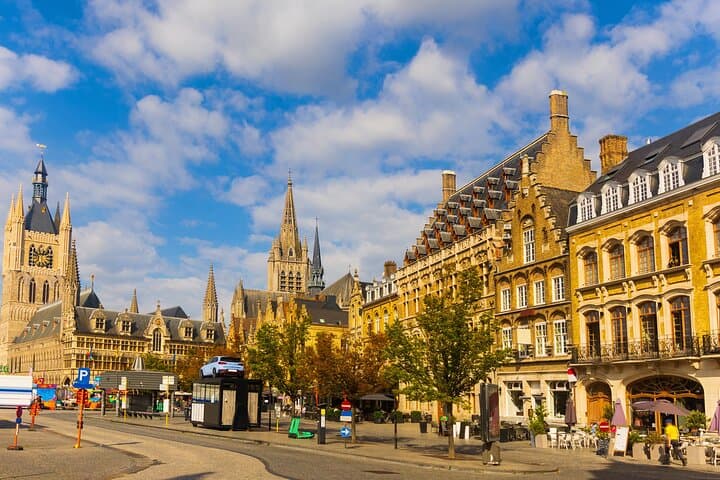
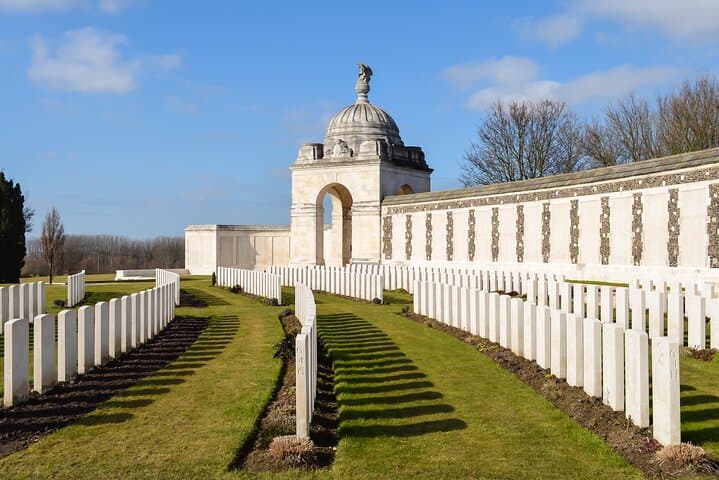
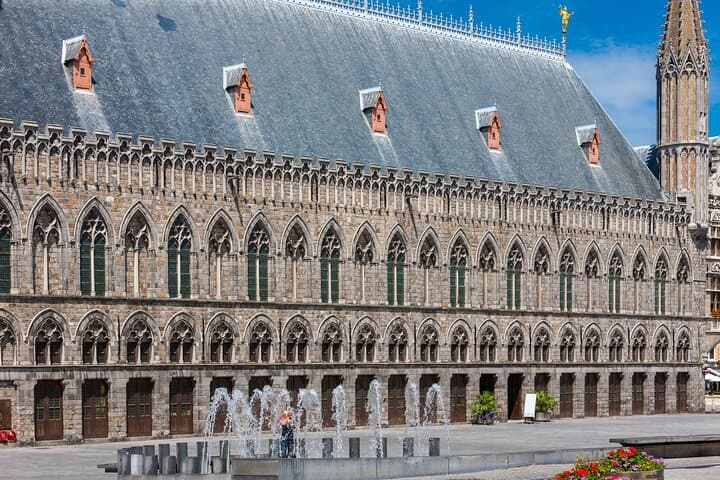
The tour traces actions from Messines Ridge to Passchendaele and the Menin Gate in Ypres. The region’s clay-rich subsoil amplified shelling damage and dug deep craters where tunnelling companies detonated massive mines. Cemeteries like Tyne Cot (the largest Commonwealth cemetery nearby) and scattered memorials record both the scale of loss and stories such as the hospital where Lt. Col. John McCrae penned “In Flanders Fields.” Local villages bear visible scars — reconstructed town centers, small museums, and preserved trench systems that place events in human terms.
Practically speaking, this private eight-hour itinerary is customizable and driven by a local professional guide who handles logistics and provides context at each stop: battle lines, unit movements, and personal anecdotes drawn from archives. Expect periods of short walks, roadside stops, and indoor time in small museums when weather demands it. Wear sturdy shoes for uneven ground and layered outerwear — fields here drain slowly and weather can shift quickly. Bring water, a respectful attitude near gravesites, and a charged camera for quiet, powerful memorials that reward close attention.
easy.
8 hours.
Suitable for most fitness levels; involves short walks (up to 30–45 minutes) on uneven ground multiple times during the day.
Yes — the tour is private and the guide can adjust stops and focus areas based on interests such as Australian actions, tunnelling, or cemetery research.
Yes — it is rated easy with mostly short walks; notify the operator of mobility needs so pickup and stop selection can accommodate everyone.
Some preserved trench sites and small museums may require an admission fee; confirm with the operator when booking to include any ticketed entries.
Local guides commonly speak English; confirm language availability at booking for other languages.
The Ypres Salient was a focal point of repeated offensives in 1914–1918; tunnelling operations and massive detonations at Messines and Passchendaele reshaped the soil and battlefield lines.
Sites are managed by local authorities and the Commonwealth War Graves Commission — follow designated paths, avoid disturbing soil and support small museums financially when possible.
taxiGo Limo Airport Service operates guided outdoor trips and adventures with an emphasis on safety, stewardship, and memorable experiences.
You step out of the air-conditioned vehicle onto sodden grass and hear the hollow hush of a field that once held artillery. Low ridges and crater rims cut the skyline; the smell of earth after rain presses close, and the guide’s voice threads names into the landscape — dates, units, brief flickers of life. This is not a hike but a moving walk through places where strategy, geology and human endurance intersect.
You step out of the air-conditioned vehicle onto sodden grass and hear the hollow hush of a field that once held artillery. Low ridges and crater rims cut the skyline; the smell of earth after rain presses close, and the guide’s voice threads names into the landscape — dates, units, brief flickers of life. This is not a hike but a moving walk through places where strategy, geology and human endurance intersect.
The tour traces actions from Messines Ridge to Passchendaele and the Menin Gate in Ypres. The region’s clay-rich subsoil amplified shelling damage and dug deep craters where tunnelling companies detonated massive mines. Cemeteries like Tyne Cot (the largest Commonwealth cemetery nearby) and scattered memorials record both the scale of loss and stories such as the hospital where Lt. Col. John McCrae penned “In Flanders Fields.” Local villages bear visible scars — reconstructed town centers, small museums, and preserved trench systems that place events in human terms.
Practically speaking, this private eight-hour itinerary is customizable and driven by a local professional guide who handles logistics and provides context at each stop: battle lines, unit movements, and personal anecdotes drawn from archives. Expect periods of short walks, roadside stops, and indoor time in small museums when weather demands it. Wear sturdy shoes for uneven ground and layered outerwear — fields here drain slowly and weather can shift quickly. Bring water, a respectful attitude near gravesites, and a charged camera for quiet, powerful memorials that reward close attention.