THE ADVENTURE COLLECTIVE® · Independent discovery and booking for outdoor travel

Spend a full day tracing the Côte de Nuits Grand Cru route with a local wine expert. Taste 10–15 exceptional Pinot Noirs, visit family domaines, and learn Burgundy’s classification while enjoying a rustic French lunch.
Spend a full day tracing the Côte de Nuits Grand Cru route with a local wine expert. Taste 10–15 exceptional Pinot Noirs, visit family domaines, and learn Burgundy’s classification while enjoying a rustic French lunch.
A cool morning lifts off the valley as the minivan threads between clipped rows of Pinot Noir. Fog clings to low terraces for a while, then the sun teases the limestone slopes—exposing the pale, fractured soils that make Côte de Nuits world-famous. Your guide, a native of the region, steps out to point down a lane toward a family domaine; the vines seem to lean in, eager to be sampled.
Verified experiences and guided adventures in the surrounding area.
Operated by Grape Adventure · Nuits-Saint-Georges, Côte-d'Or
A cool morning lifts off the valley as the minivan threads between clipped rows of Pinot Noir. Fog clings to low terraces for a while, then the sun teases the limestone slopes—exposing the pale, fractured soils that make Côte de Nuits world-famous. Your guide, a native of the region, steps out to point down a lane toward a family domaine; the vines seem to lean in, eager to be sampled.
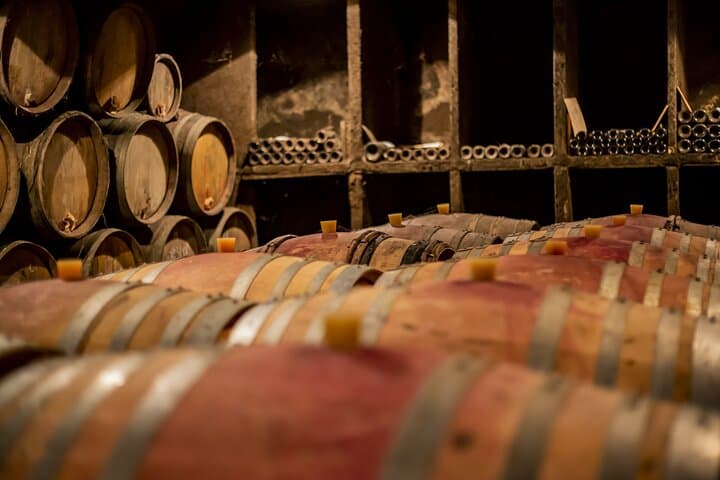
The Côte de Nuits owes its reputation to Cistercian monks who, from the 12th century, began parceling terroir into identifiable plots. Geologically, the strip rides over Jurassic limestone and marl, strata that drive drainage and give Pinot Noir a tense, mineral spine. Villages like Vosne-Romanée and Nuits-Saint-Georges carry centuries of viticultural culture: small family domaines, carefully pruned vines, and cellar doors where generations guard production secrets.
Practical guidance: the day runs about 7–8 hours and includes two winery visits, guided tastings of 10–15 wines, and a restaurant stop for lunch (not included). Bring a light daypack, refillable water bottle, and comfortable shoes—some estates have gravel lanes and cellar steps. Budget 25–35 EUR for lunch and allow extra room in luggage if you plan to buy bottles; many estates can ship.
Tasting etiquette: smell first, sip slowly, compare textures across Premier Cru and Grand Cru, and ask your guide about classification and aging. Respect private vineyards—stay to marked paths, and let the vines keep their stories intact.
easy.
7–8 hours.
Suitable for most fitness levels; minimal walking but expect some standing during tastings and short vineyard walks
The tour typically includes between 10 and 15 wines across two winery visits, including Premier Cru and Grand Cru examples.
Yes — private, air-conditioned transport is included; the operator confirms pickup details a day before departure.
Minors are allowed to join but alcohol consumption is prohibited for anyone under 18; infant seats are available on request.
Most family domaines sell bottles and can arrange shipment; bring ID and check shipping policies and costs in advance.
Monastic orders, especially the Cistercians of Cîteaux, organized vineyards into named plots in the Middle Ages—foundations of today’s appellation system.
Many small growers practice sustainable or organic viticulture; visitors can support this by buying from family domaines and staying on marked paths to protect vine roots.
Grape Adventure operates guided outdoor trips and adventures with an emphasis on safety, stewardship, and memorable experiences.


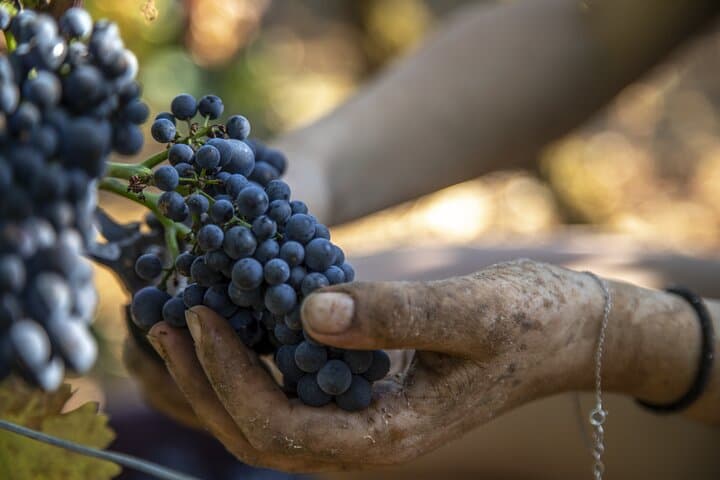
A cool morning lifts off the valley as the minivan threads between clipped rows of Pinot Noir. Fog clings to low terraces for a while, then the sun teases the limestone slopes—exposing the pale, fractured soils that make Côte de Nuits world-famous. Your guide, a native of the region, steps out to point down a lane toward a family domaine; the vines seem to lean in, eager to be sampled.
A cool morning lifts off the valley as the minivan threads between clipped rows of Pinot Noir. Fog clings to low terraces for a while, then the sun teases the limestone slopes—exposing the pale, fractured soils that make Côte de Nuits world-famous. Your guide, a native of the region, steps out to point down a lane toward a family domaine; the vines seem to lean in, eager to be sampled.
The Côte de Nuits owes its reputation to Cistercian monks who, from the 12th century, began parceling terroir into identifiable plots. Geologically, the strip rides over Jurassic limestone and marl, strata that drive drainage and give Pinot Noir a tense, mineral spine. Villages like Vosne-Romanée and Nuits-Saint-Georges carry centuries of viticultural culture: small family domaines, carefully pruned vines, and cellar doors where generations guard production secrets.
Practical guidance: the day runs about 7–8 hours and includes two winery visits, guided tastings of 10–15 wines, and a restaurant stop for lunch (not included). Bring a light daypack, refillable water bottle, and comfortable shoes—some estates have gravel lanes and cellar steps. Budget 25–35 EUR for lunch and allow extra room in luggage if you plan to buy bottles; many estates can ship.
Tasting etiquette: smell first, sip slowly, compare textures across Premier Cru and Grand Cru, and ask your guide about classification and aging. Respect private vineyards—stay to marked paths, and let the vines keep their stories intact.