THE ADVENTURE COLLECTIVE® · Independent discovery and booking for outdoor travel

Explore Ubud’s artisan markets, the holy springs of Tirta Empul, Tegallalang’s rice terraces and Kintamani’s volcanic rim on a private full-day tour with onboard Wi‑Fi. This practical guide helps you prepare for temple visits, short walks and panoramic volcano views.
Explore Ubud’s artisan markets, the holy springs of Tirta Empul, Tegallalang’s rice terraces and Kintamani’s volcanic rim on a private full-day tour with onboard Wi‑Fi. This practical guide helps you prepare for temple visits, short walks and panoramic volcano views.
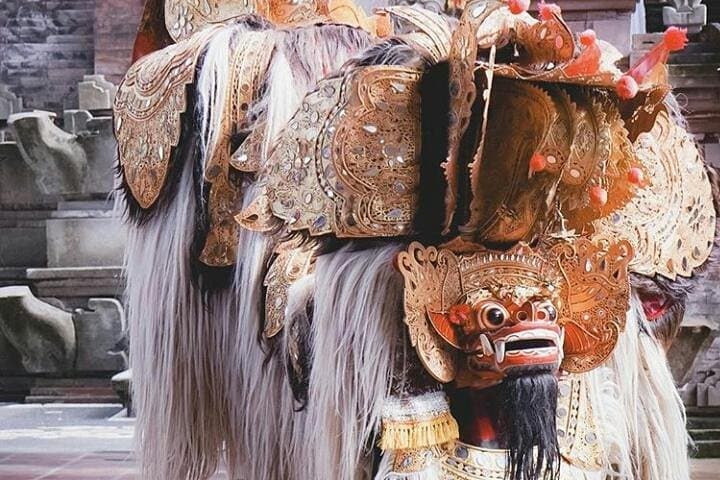
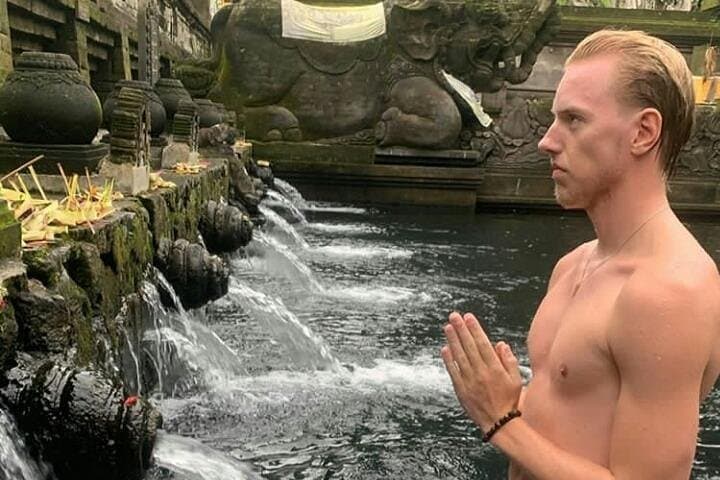
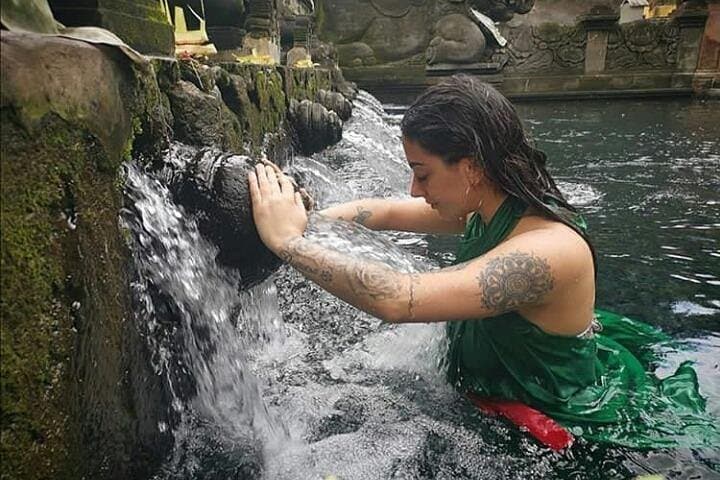
You step out of an air-conditioned minivan and the mountain air hits first—cooler than the coast, with the green slope of rice terraces falling away like carved steps. The driver folds a local sarong over your knees for the temple visit; a guide points to a stream where villagers still draw water for ritual cleansing.
Verified experiences and guided adventures in the surrounding area.
Operated by Bali Funtastic Tour · Ubud, Bali
You step out of an air-conditioned minivan and the mountain air hits first—cooler than the coast, with the green slope of rice terraces falling away like carved steps. The driver folds a local sarong over your knees for the temple visit; a guide points to a stream where villagers still draw water for ritual cleansing.
This full-day private tour threads together Bali’s cultural core: Ubud’s artisan markets and woodcarving shops, the ritual springs of Tirta Empul (a site with roots in the 10th century), coffee plantations where small-batch kopi luwak is demonstrated, the cliff-hugging terraces at Tegallalang, and Kintamani’s view over Lake Batur and the smoking cone of Mount Batur. Geologically, Batur is an active caldera with a younger cone inside an older crater; the landscape is shaped by lava flows, volcanic soils and terraced irrigation (subak) that local farmers have managed for centuries.
Expect pockets of commerce — batik, silver, paintings — balanced by the formal calm of temple courtyards and steaming coffee. Practical notes: the tour runs about 10 hours with door-to-door pickup, bottled water and onboard Wi‑Fi. Several sites require modest entrance fees and temple sarongs; bring cash. Mobility is generally low-impact, though Tirta Empul and some terraces involve steps and uneven paths.
Timing matters: sunrise over Batur is dramatic but requires an early start; daytime tours avoid the dawn rush. Wear comfortable shoes, sun protection and a light layer for mountain mornings. Respect ritual spaces, follow guide instructions at holy springs, and keep noise low in village areas to support local culture.
easy.
10 hours.
Suitable for most travelers in reasonable health; involves short walks, steps at temples and uneven terrain at terraces
Some sites included in the itinerary may have entrance fees paid by the operator, but small temple donations and certain attraction fees are often paid on arrival—carry cash.
Yes; the tour is classified as easy with short walks, but it is not recommended for travelers with serious spinal, heart, or pregnancy-related restrictions per operator guidance.
Yes—this private tour provides onboard Wi‑Fi and bottled water as listed in the inclusions.
Pickup is typically door-to-door from Ubud-area hotels and can be arranged during booking; confirm your pickup point and flight transfer needs in advance.
Tirta Empul dates back to the 10th century and is tied to Balinese Hindu purification rituals; Ubud grew as an art center in the early 20th century.
The subak irrigation system behind the rice terraces is a living cultural landscape—stick to marked paths, avoid single-use plastics, and support local artisans to maintain sustainable tourism.
Bali Funtastic Tour operates guided outdoor trips and adventures with an emphasis on safety, stewardship, and memorable experiences.

You step out of an air-conditioned minivan and the mountain air hits first—cooler than the coast, with the green slope of rice terraces falling away like carved steps. The driver folds a local sarong over your knees for the temple visit; a guide points to a stream where villagers still draw water for ritual cleansing.
You step out of an air-conditioned minivan and the mountain air hits first—cooler than the coast, with the green slope of rice terraces falling away like carved steps. The driver folds a local sarong over your knees for the temple visit; a guide points to a stream where villagers still draw water for ritual cleansing.
This full-day private tour threads together Bali’s cultural core: Ubud’s artisan markets and woodcarving shops, the ritual springs of Tirta Empul (a site with roots in the 10th century), coffee plantations where small-batch kopi luwak is demonstrated, the cliff-hugging terraces at Tegallalang, and Kintamani’s view over Lake Batur and the smoking cone of Mount Batur. Geologically, Batur is an active caldera with a younger cone inside an older crater; the landscape is shaped by lava flows, volcanic soils and terraced irrigation (subak) that local farmers have managed for centuries.
Expect pockets of commerce — batik, silver, paintings — balanced by the formal calm of temple courtyards and steaming coffee. Practical notes: the tour runs about 10 hours with door-to-door pickup, bottled water and onboard Wi‑Fi. Several sites require modest entrance fees and temple sarongs; bring cash. Mobility is generally low-impact, though Tirta Empul and some terraces involve steps and uneven paths.
Timing matters: sunrise over Batur is dramatic but requires an early start; daytime tours avoid the dawn rush. Wear comfortable shoes, sun protection and a light layer for mountain mornings. Respect ritual spaces, follow guide instructions at holy springs, and keep noise low in village areas to support local culture.