THE ADVENTURE COLLECTIVE® · Independent discovery and booking for outdoor travel

A private full-day transfer from Split delivers you to Plitvice Lakes National Park for six hours of self-guided exploring across boardwalks, waterfalls and boat crossings. Practical tips on timing, terrain and what to pack help you make the most of the day.
A private full-day transfer from Split delivers you to Plitvice Lakes National Park for six hours of self-guided exploring across boardwalks, waterfalls and boat crossings. Practical tips on timing, terrain and what to pack help you make the most of the day.
You pull away from Split as the Adriatic light thins and the road unspools inland, the minivan humming toward a different kind of blue: the turquoise cascades of Plitvice Lakes.
Verified experiences and guided adventures in the surrounding area.
Operated by Split-Transfers · Plitvička Jezera, Lika-Senj
You pull away from Split as the Adriatic light thins and the road unspools inland, the minivan humming toward a different kind of blue: the turquoise cascades of Plitvice Lakes.
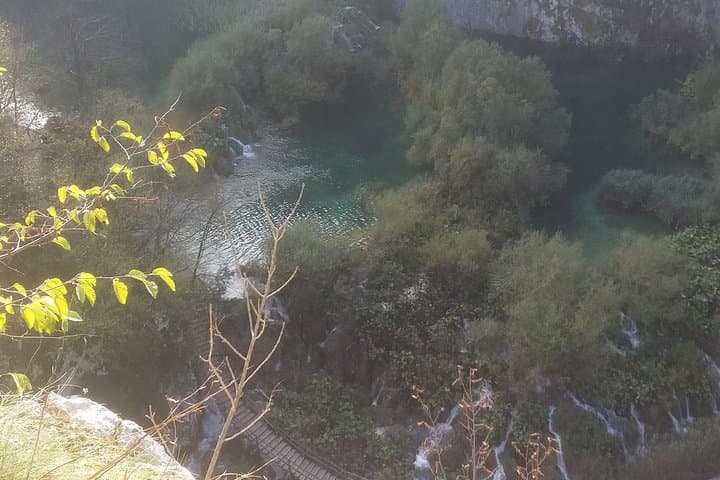
Arriving mid-morning, you step onto a network of wooden boardwalks that thread through limestone basins, waterfalls daring you to come closer and pools that catch light like glass. The park’s stepped lakes are the result of travertine damming — mineral-rich water depositing calcium carbonate over millennia — and the landscape still changes with every rainy season.
Plitvička Jezera sits in Lika, a region shaped by karst geology and a human history of shepherding and small mountain settlements; the park became Croatia’s first national park in 1949 and joined UNESCO in 1979. Local culture favors simple mountain fare and seasonal rhythms — the busiest months are summer when tour boats run frequently, quieter shoulder seasons make for better light and birdwatching.
Practical note: this private excursion runs about 10–12 hours round-trip from Split with roughly 6 hours inside the park. Expect 3–6 miles of walking on uneven boards, stairs and short climbs; bring layered clothing, sturdy shoes, and a refillable bottle. Boats and shuttle trains connect upper and lower lakes but schedules tighten in low season — check park timetables and carry cash or card for entry. Keep to marked paths to protect fragile travertine and to avoid disturbing wildlife. By late afternoon you’ll be back on the road, the park’s colors lingering in the window glass like a promise to return.
moderate.
10–12 hours.
Able to walk 3–6 miles over uneven boardwalks and short stair sections; comfortable standing for hours.
Expect about 2.5–3 hours one way depending on traffic and stops; this tour plans for about 10–12 hours total round-trip.
This itinerary lists facility fees as included; confirm at booking since policies can change seasonally.
Trails are mostly wooden boardwalks and marked paths with some stairs and short climbs — reasonable for most walkers but not stroller-friendly.
Yes — the park operates electric boats across Kozjak Lake and shuttle trains between zones; service frequency varies by season.
Plitvice became Croatia’s first national park in 1949; its travertine dams formed over thousands of years as mineral-rich springs built terraces.
Stay on boardwalks and avoid touching deposits — trampling and pollution accelerate travertine erosion; the park enforces strict waste and drone rules to protect habitats.
Split-Transfers operates guided outdoor trips and adventures with an emphasis on safety, stewardship, and memorable experiences.
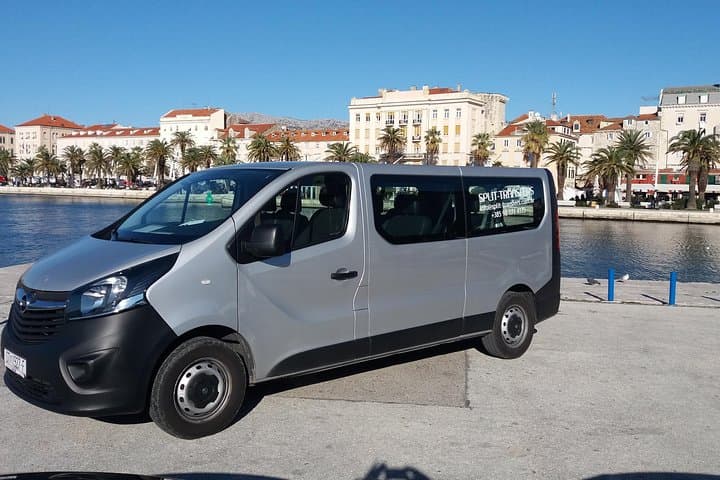
You pull away from Split as the Adriatic light thins and the road unspools inland, the minivan humming toward a different kind of blue: the turquoise cascades of Plitvice Lakes.
You pull away from Split as the Adriatic light thins and the road unspools inland, the minivan humming toward a different kind of blue: the turquoise cascades of Plitvice Lakes.
Arriving mid-morning, you step onto a network of wooden boardwalks that thread through limestone basins, waterfalls daring you to come closer and pools that catch light like glass. The park’s stepped lakes are the result of travertine damming — mineral-rich water depositing calcium carbonate over millennia — and the landscape still changes with every rainy season.
Plitvička Jezera sits in Lika, a region shaped by karst geology and a human history of shepherding and small mountain settlements; the park became Croatia’s first national park in 1949 and joined UNESCO in 1979. Local culture favors simple mountain fare and seasonal rhythms — the busiest months are summer when tour boats run frequently, quieter shoulder seasons make for better light and birdwatching.
Practical note: this private excursion runs about 10–12 hours round-trip from Split with roughly 6 hours inside the park. Expect 3–6 miles of walking on uneven boards, stairs and short climbs; bring layered clothing, sturdy shoes, and a refillable bottle. Boats and shuttle trains connect upper and lower lakes but schedules tighten in low season — check park timetables and carry cash or card for entry. Keep to marked paths to protect fragile travertine and to avoid disturbing wildlife. By late afternoon you’ll be back on the road, the park’s colors lingering in the window glass like a promise to return.