THE ADVENTURE COLLECTIVE® · Independent discovery and booking for outdoor travel

Walk quiet mountain trails between iconic rice terraces with a local H’mong guide. This private full-day trek visits La Pan Tan and Đồi Mâm Xôi and adapts to your fitness and interests for an authentic, less-crowded experience.
Walk quiet mountain trails between iconic rice terraces with a local H’mong guide. This private full-day trek visits La Pan Tan and Đồi Mâm Xôi and adapts to your fitness and interests for an authentic, less-crowded experience.
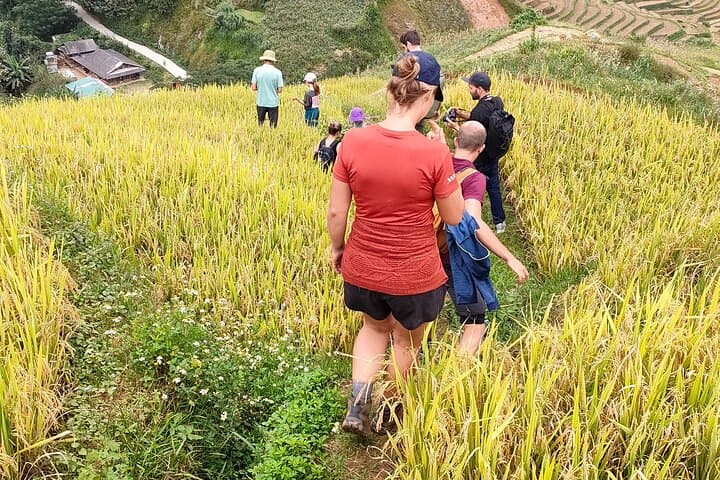
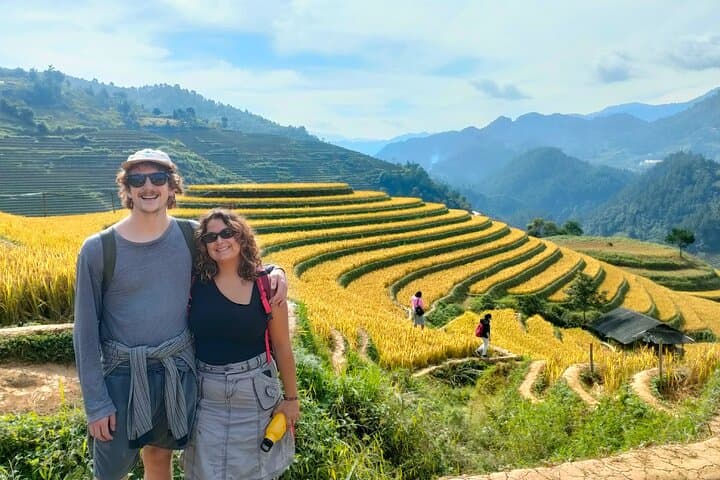
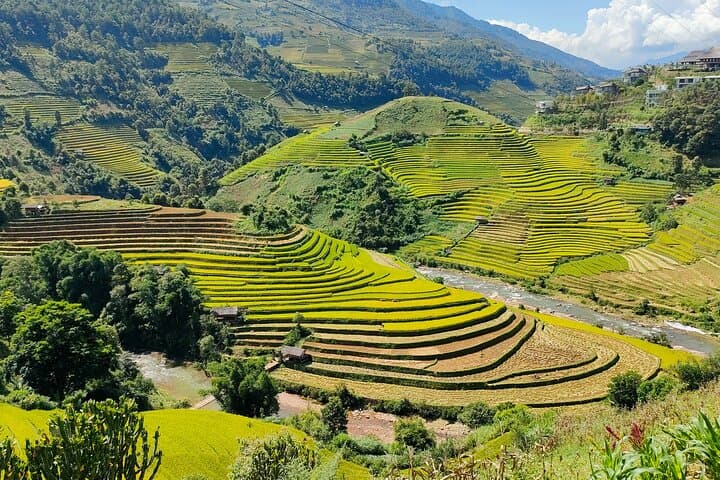
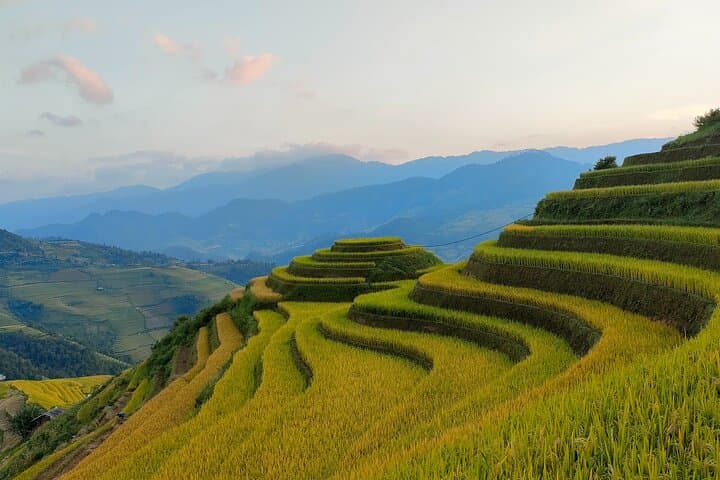
Morning light slices across tiered paddies as you set off from a small village road — the terraces step away from you in precise, deliberate curves. Your H’mong guide leads along narrow paths cut into earthen walls; every turn frames a new view: glossy water reflecting sky, buffalo lowing in the fields, and distant peaks rising above the valley.
Verified experiences and guided adventures in the surrounding area.
Operated by Indigenous Adventure · Mu Cang Chai, Yen Bai
Morning light slices across tiered paddies as you set off from a small village road — the terraces step away from you in precise, deliberate curves. Your H’mong guide leads along narrow paths cut into earthen walls; every turn frames a new view: glossy water reflecting sky, buffalo lowing in the fields, and distant peaks rising above the valley.
Geologically, these terraces cling to steep schist and metamorphic slopes carved by monsoon runoff; the contour farming here developed over centuries to harvest fragile soils. Culturally, the H’mong and Thai hill communities carved and maintain these fields, and stop at viewpoints like La Pan Tan and Đồi Mâm Xôi that have become local landmarks. In season you’ll see rice at stages from flooded mirror-like seedbeds in spring to golden waves before harvest in autumn.
Expect 7–8 hours on a private route adjusted to your stamina — typical walking distance is 8–12 km with short, sharp elevation changes (roughly 200–400 m cumulative gain). Terrain alternates between packed dirt tracks, stone steps, and muddy paddy edges; rain can quickly make trails slippery so steady footing matters. You’ll pass homesteads where hosts may offer tea and explain seasonal rituals or farming tasks.
Practical guidance: start early to avoid midday heat and afternoon showers, carry 2–3L water, and wear grippy, broken-in hiking shoes. Bring layered rain protection and small cash for local purchases and tips. The private format allows pauses for photos, cultural exchanges, and even hands-on planting or harvesting when available — travel thoughtfully, respect fields, and follow your guide’s lead.
moderate.
7–8 hours.
Moderate cardiovascular fitness and agility for uneven terrain; able to walk up to 12 km with variable elevation.
Late September to October shows golden harvest colors; May to June offers flooded seedbeds with reflective surfaces. Monsoon months (June–August) can be wetter and slipperier.
It’s rated moderate — expect 8–12 km with cumulative elevation changes of a few hundred metres; good balance and steady footing are important.
Yes — the tour includes an English-speaking H’mong guide, bottled water, and a local lunch; sometimes hosts offer additional snacks or tea.
Yes — this private format is flexible and can be tailored to fitness levels and interests; inform the operator at booking for pickup and pacing arrangements.
The terrace system reflects centuries of highland agriculture and community-managed land across Mu Cang Chai’s steep slopes, largely developed by H’mong and Thai ethnic groups.
Sustainable trekking emphasizes staying on paths, avoiding litter, and supporting local guides; terraces rely on traditional upkeep, so respectful tourism helps preserve both landscape and livelihoods.
Indigenous Adventure operates guided outdoor trips and adventures with an emphasis on safety, stewardship, and memorable experiences.
Morning light slices across tiered paddies as you set off from a small village road — the terraces step away from you in precise, deliberate curves. Your H’mong guide leads along narrow paths cut into earthen walls; every turn frames a new view: glossy water reflecting sky, buffalo lowing in the fields, and distant peaks rising above the valley.
Morning light slices across tiered paddies as you set off from a small village road — the terraces step away from you in precise, deliberate curves. Your H’mong guide leads along narrow paths cut into earthen walls; every turn frames a new view: glossy water reflecting sky, buffalo lowing in the fields, and distant peaks rising above the valley.
Geologically, these terraces cling to steep schist and metamorphic slopes carved by monsoon runoff; the contour farming here developed over centuries to harvest fragile soils. Culturally, the H’mong and Thai hill communities carved and maintain these fields, and stop at viewpoints like La Pan Tan and Đồi Mâm Xôi that have become local landmarks. In season you’ll see rice at stages from flooded mirror-like seedbeds in spring to golden waves before harvest in autumn.
Expect 7–8 hours on a private route adjusted to your stamina — typical walking distance is 8–12 km with short, sharp elevation changes (roughly 200–400 m cumulative gain). Terrain alternates between packed dirt tracks, stone steps, and muddy paddy edges; rain can quickly make trails slippery so steady footing matters. You’ll pass homesteads where hosts may offer tea and explain seasonal rituals or farming tasks.
Practical guidance: start early to avoid midday heat and afternoon showers, carry 2–3L water, and wear grippy, broken-in hiking shoes. Bring layered rain protection and small cash for local purchases and tips. The private format allows pauses for photos, cultural exchanges, and even hands-on planting or harvesting when available — travel thoughtfully, respect fields, and follow your guide’s lead.