THE ADVENTURE COLLECTIVE® · Independent discovery and booking for outdoor travel

A private day transfer links Split and Zagreb with a guided, 4‑hour exploration of Plitvice Lakes National Park. This full-day outing pairs comfortable transport with boardwalk hikes, boat crossings and views of Croatia’s biggest waterfall.
A private day transfer links Split and Zagreb with a guided, 4‑hour exploration of Plitvice Lakes National Park. This full-day outing pairs comfortable transport with boardwalk hikes, boat crossings and views of Croatia’s biggest waterfall.
You step out of the air-conditioned van and the limestone terraces and falling water take over — a string of turquoise pools cut into the karst, wooden boardwalks threading between them like a guided breath. Plitvice Lakes is immediate: water daring you to follow its turquoise ribbon through moss-fringed cascades and cathedral-like beech forest.
Verified experiences and guided adventures in the surrounding area.
Operated by Labora Tours · Plitvička Jezera, Lika-Senj County
You step out of the air-conditioned van and the limestone terraces and falling water take over — a string of turquoise pools cut into the karst, wooden boardwalks threading between them like a guided breath. Plitvice Lakes is immediate: water daring you to follow its turquoise ribbon through moss-fringed cascades and cathedral-like beech forest.
The park sits on the cusp of Lika, where glacial and karst geology carved travertine dams that still grow today. The area was protected as Croatia’s first national park in 1949 and inscribed as a UNESCO World Heritage site in 1979 for its active travertine formation and intact forest habitats. Local culture reflects a sparsely populated mountain region: pastoral farms, stone houses, and cuisine built on freshwater fish, smoked meats and simple breads.
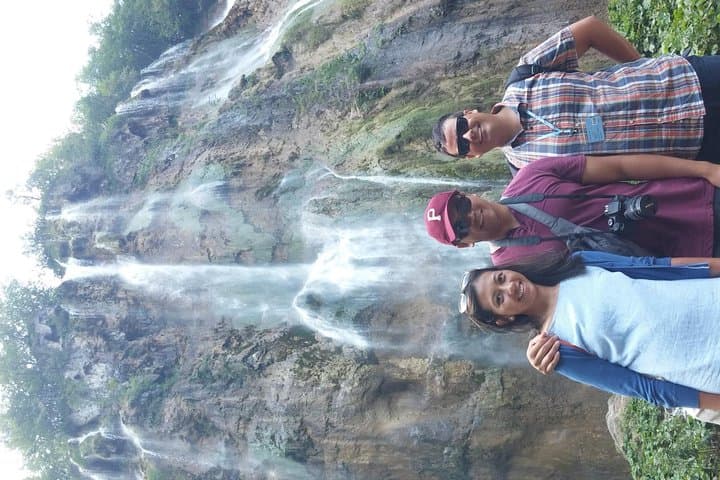
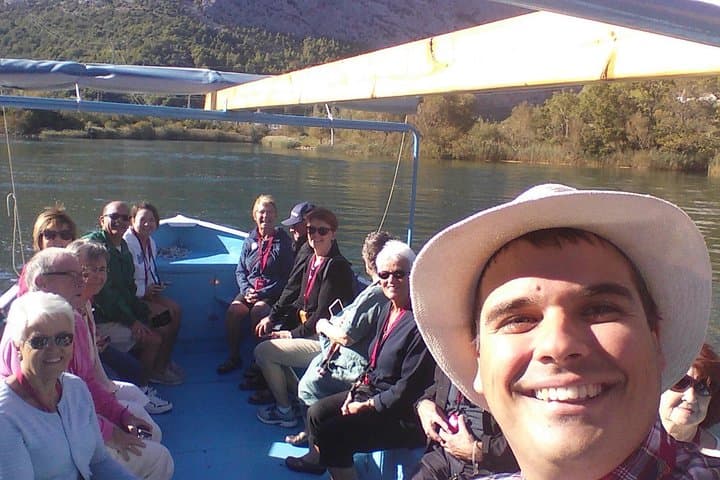
On this private transfer, a local driver-guide links the coastal rhythm of Split with inland highlands and Zagreb’s city grid. Expect roughly 4 hours of guided exploration inside the park — the route covers boardwalk sections, viewpoints for Veliki Slap (Big Waterfall) and a boat ride across Kozjak Lake — bracketed by driving between cities.
Practical edge: wear grippy, waterproof footwear and layers; paths can be wet. Bring a refillable bottle — taps at trailheads are potable — and a compact rain shell. The tour is long (8–12 hours total), so plan snacks and motion comfort for the road. Arrive with camera batteries ready and a respect for fragile travertine: stay on marked routes and leave no trace.
moderate.
8–12 hours.
Moderate fitness: able to walk 4–6 km on uneven, wet boardwalks and stand for viewpoints; not suitable for those with severe mobility limits.
No — entrance tickets are handled separately from the private transfer; verify current prices and consider buying online for peak season.
Expect 8–12 hours total: roughly 2.5–3.5 hours driving from Split to Plitvice, about 4 hours inside the park, then the drive to Zagreb which takes around 2–3 hours depending on traffic.
Yes — operators can provide infant seats on request, but parents should account for long stretches in the vehicle and uneven trails in the park.
Not ideal: the park has boardwalks and stairs; travelers with limited mobility should advise the operator and consider shorter, accessible viewpoints.
The park’s travertine dams formed over thousands of years; protected as Croatia’s first national park in 1949 and listed by UNESCO in 1979.
Boardwalks and marked routes are in place to protect fragile travertine and aquatic habitats; stay on paths, avoid touching formations and carry out waste.
Labora Tours operates guided outdoor trips and adventures with an emphasis on safety, stewardship, and memorable experiences.
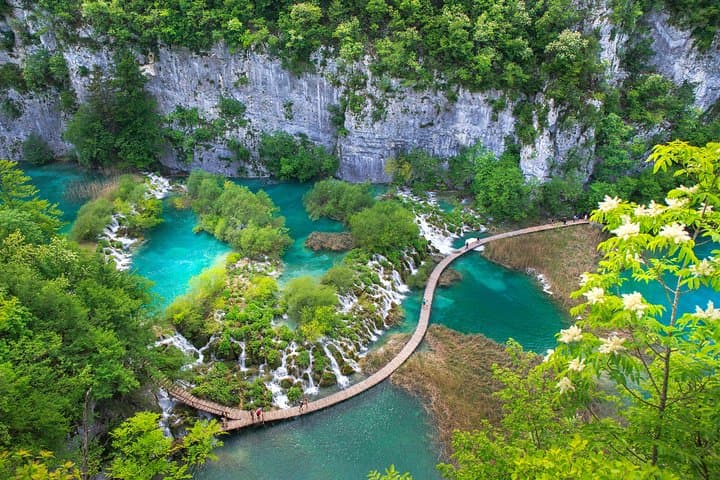
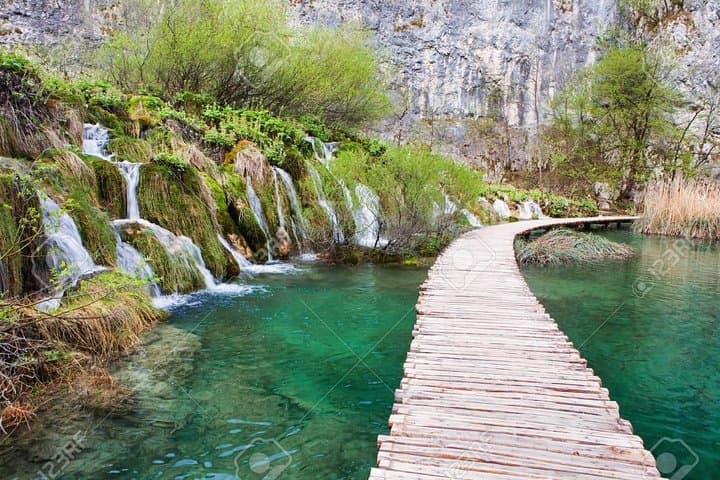
You step out of the air-conditioned van and the limestone terraces and falling water take over — a string of turquoise pools cut into the karst, wooden boardwalks threading between them like a guided breath. Plitvice Lakes is immediate: water daring you to follow its turquoise ribbon through moss-fringed cascades and cathedral-like beech forest.
You step out of the air-conditioned van and the limestone terraces and falling water take over — a string of turquoise pools cut into the karst, wooden boardwalks threading between them like a guided breath. Plitvice Lakes is immediate: water daring you to follow its turquoise ribbon through moss-fringed cascades and cathedral-like beech forest.
The park sits on the cusp of Lika, where glacial and karst geology carved travertine dams that still grow today. The area was protected as Croatia’s first national park in 1949 and inscribed as a UNESCO World Heritage site in 1979 for its active travertine formation and intact forest habitats. Local culture reflects a sparsely populated mountain region: pastoral farms, stone houses, and cuisine built on freshwater fish, smoked meats and simple breads.
On this private transfer, a local driver-guide links the coastal rhythm of Split with inland highlands and Zagreb’s city grid. Expect roughly 4 hours of guided exploration inside the park — the route covers boardwalk sections, viewpoints for Veliki Slap (Big Waterfall) and a boat ride across Kozjak Lake — bracketed by driving between cities.
Practical edge: wear grippy, waterproof footwear and layers; paths can be wet. Bring a refillable bottle — taps at trailheads are potable — and a compact rain shell. The tour is long (8–12 hours total), so plan snacks and motion comfort for the road. Arrive with camera batteries ready and a respect for fragile travertine: stay on marked routes and leave no trace.