
Full-Day Private Transfer from Paris to Mont Saint-Michel: Abbey, Tides & Medieval Grande Rue
A private 12‑hour transfer from Paris puts you at Mont Saint‑Michel with time to climb the abbey, wander Grande Rue and watch the dramatic tides. This guide covers what to expect, practical timing, and essential tips for a smooth day trip.
An Adventure In Pontorson.
A private 12‑hour transfer from Paris puts you at Mont Saint‑Michel with time to climb the abbey, wander Grande Rue and watch the dramatic tides. This guide covers what to expect, practical timing, and essential tips for a smooth day trip.
Read the full experience
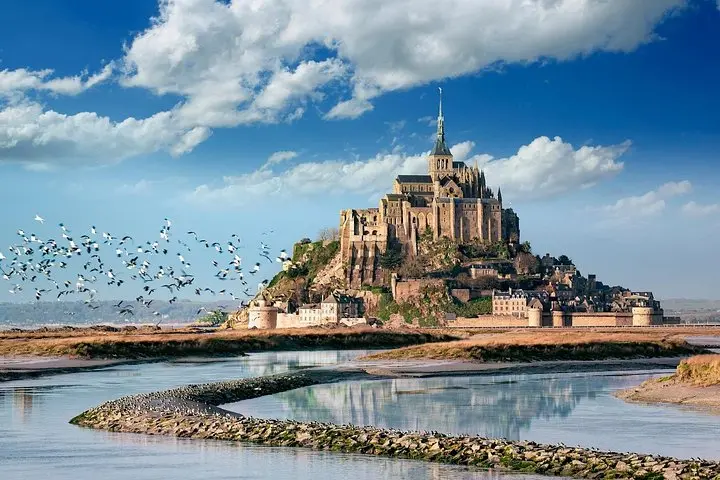
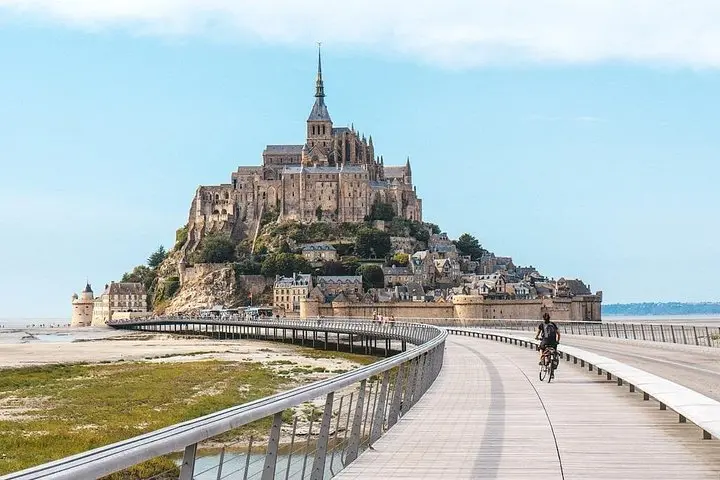
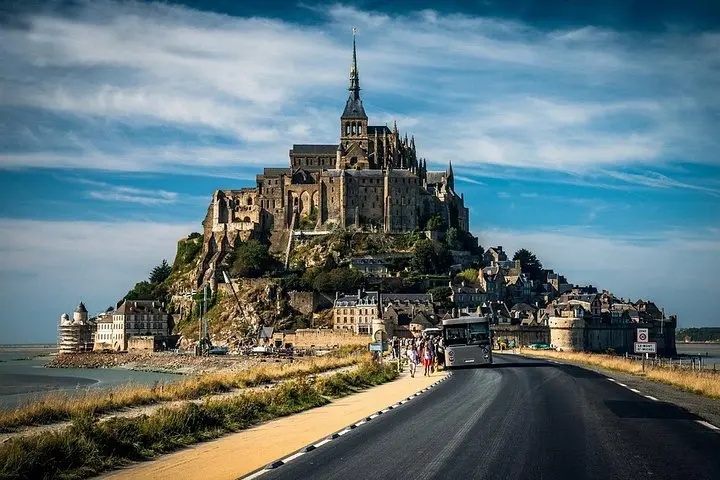
You arrive at the causeway as the sea draws back, the abbey rising like a stone city on a volcanic plug — towers and pinnacles cutting the sky. The sound here is tidal: distant surf, gulls calling, and the quiet of narrow medieval streets where history presses close.
You arrive at the causeway as the sea draws back, the abbey rising like a stone city on a volcanic plug — towers and pinnacles cutting the sky. The sound here is tidal: distant surf, gulls calling, and the quiet of narrow medieval streets where history presses close.
Mont Saint-Michel began as a sanctuary in 709 and grew into a fortified abbey with layers of Romanesque and Gothic architecture. Geology is part of the story: a granite outcrop resisted the slow sediment of the bay, creating dramatic tidal flats that can flood quickly. The Grande Rue still holds medieval houses, oyster stalls and calvados bars; monks once moved through the cloister while pilgrims climbed the steep alleys.
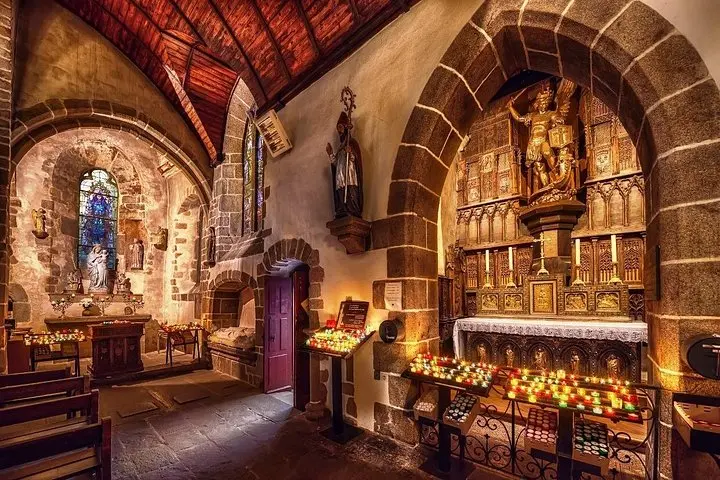
Local culture leans on seafood and salt — oysters and the salty butter of Normandy — and on careful timing: tides here dictate access and photography. Guides can open the abbey’s interior history and the prison cells beneath its walls, though entrance is extra.
Practical guidance: plan for a 12‑hour day from Paris with about 4–5 hours on the island. Wear sturdy shoes for cobbles and steep staircases; expect changeable coastal weather and wind. Check tide times before you go; low tide exposes vast sand flats and high tide can sweep close to the walls. Bring a light rain layer, a charged phone for photos, and cash or card for small cafes.
A private transfer removes the stress of trains and timed buses, giving you flexible time to climb the abbey, linger on viewpoints, and return comfortably to Paris by evening.
Frequently asked questions
No — the transfer includes transport and driver only; abbey entry tickets and guided tours must be purchased separately.
Expect about 4–5 hours on site to walk the Grande Rue, visit the abbey (if ticketed), and enjoy viewpoints; the full service is a 12‑hour round trip from Paris.
Yes — the modern causeway is accessible regardless of tide, but high tides change views and restrict walking on the bay flats.
Yes — infant seats are available on request and the trip is suitable for all fitness levels, but bring snacks and plan bathroom stops for long drives.
About This Experience
Marcel Tours operates guided outdoor trips and adventures with an emphasis on safety, stewardship, and memorable experiences.
Adventure tips
Recommended gear
- Sturdy walking shoes: Grippy shoes handle cobbles and steep staircases around the abbey and village.
- Compact daypack: Carries water, tickets, camera, and a light layer while keeping hands free.
- Light waterproof jacket: Protects against coastal wind and sudden showers typical in Normandy.
- Passport and printed/digital tickets: Required for travel from Paris and useful for any ticketed entry or ID checks.
Photos of the experience
Related adventures & guides
Read the full experience
You arrive at the causeway as the sea draws back, the abbey rising like a stone city on a volcanic plug — towers and pinnacles cutting the sky. The sound here is tidal: distant surf, gulls calling, and the quiet of narrow medieval streets where history presses close.
You arrive at the causeway as the sea draws back, the abbey rising like a stone city on a volcanic plug — towers and pinnacles cutting the sky. The sound here is tidal: distant surf, gulls calling, and the quiet of narrow medieval streets where history presses close.
Mont Saint-Michel began as a sanctuary in 709 and grew into a fortified abbey with layers of Romanesque and Gothic architecture. Geology is part of the story: a granite outcrop resisted the slow sediment of the bay, creating dramatic tidal flats that can flood quickly. The Grande Rue still holds medieval houses, oyster stalls and calvados bars; monks once moved through the cloister while pilgrims climbed the steep alleys.
Local culture leans on seafood and salt — oysters and the salty butter of Normandy — and on careful timing: tides here dictate access and photography. Guides can open the abbey’s interior history and the prison cells beneath its walls, though entrance is extra.
Practical guidance: plan for a 12‑hour day from Paris with about 4–5 hours on the island. Wear sturdy shoes for cobbles and steep staircases; expect changeable coastal weather and wind. Check tide times before you go; low tide exposes vast sand flats and high tide can sweep close to the walls. Bring a light rain layer, a charged phone for photos, and cash or card for small cafes.
A private transfer removes the stress of trains and timed buses, giving you flexible time to climb the abbey, linger on viewpoints, and return comfortably to Paris by evening.
Make a day of it nearby.
Verified experiences and guided adventures in the surrounding area.