THE ADVENTURE COLLECTIVE® · Independent discovery and booking for outdoor travel

Drive from Almaty across wide Kazakh steppe to Tamgaly (Tanbaly), a UNESCO-listed open-air museum of petroglyphs spanning the Bronze Age to medieval times. This private full-day trip combines a guided field visit through rocky canyons with comfortable, air-conditioned transport and local insights.
Drive from Almaty across wide Kazakh steppe to Tamgaly (Tanbaly), a UNESCO-listed open-air museum of petroglyphs spanning the Bronze Age to medieval times. This private full-day trip combines a guided field visit through rocky canyons with comfortable, air-conditioned transport and local insights.
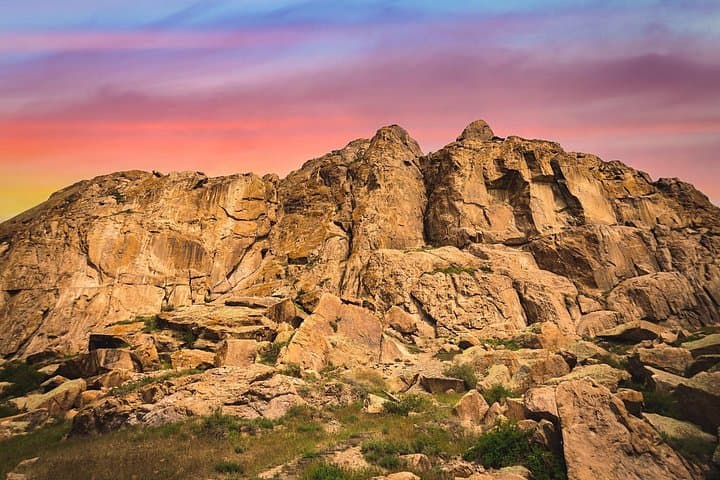
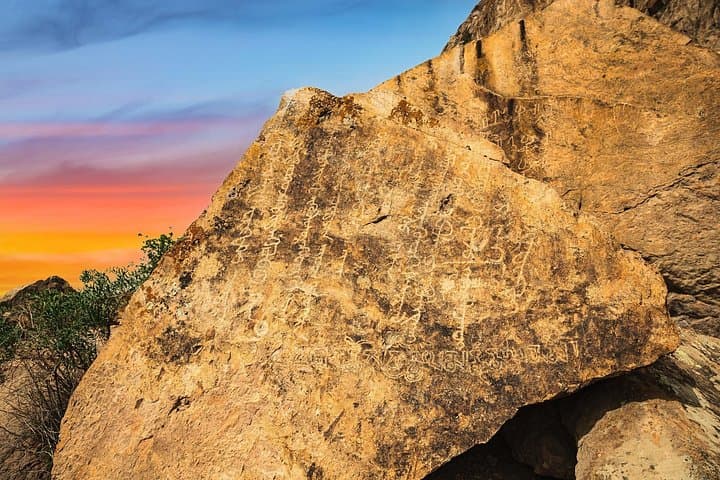
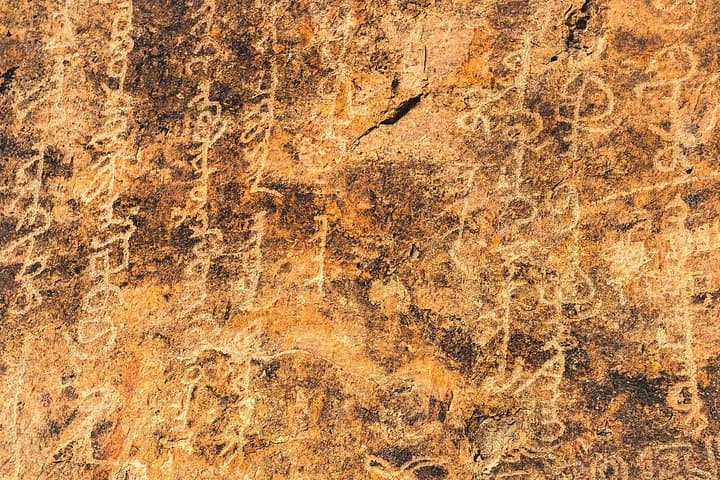
You leave Almaty before dawn, the city shrinking behind the car window while steppes and low ridges roll past. After roughly 2.5–3 hours on a well-maintained highway, the land changes: the wind shapes bare rock and the hills begin to hold deep, shadowed grooves. At the Tamgaly (Tanbaly) museum-reserve, stone faces and canyon walls greet you with marks made by hands across millennia.
Verified experiences and guided adventures in the surrounding area.
Operated by taxiGo Limo Airport Service · Almaty, Almaty Region
You leave Almaty before dawn, the city shrinking behind the car window while steppes and low ridges roll past. After roughly 2.5–3 hours on a well-maintained highway, the land changes: the wind shapes bare rock and the hills begin to hold deep, shadowed grooves. At the Tamgaly (Tanbaly) museum-reserve, stone faces and canyon walls greet you with marks made by hands across millennia.
The reserve contains six main groups of petroglyphs carved from the Bronze Age through the medieval period (XIII–XIV centuries) and was inscribed on the UNESCO World Heritage List in 2004. Geologically, the site is a patchwork of weathered sandstone and limestone escarpments cut by small canyons; culturally it’s an open-air archive of pastoral rites, hunting scenes and celestial symbols left by steppe peoples. Local guides interpret motifs, techniques and the seasonal rhythms that shaped ancient life here.
Practically, expect 2–3 km of walking on uneven, often loose rock with modest elevation changes—nothing technical, but steady footing is required. The tour is typically a private, air-conditioned round trip with a guided 2–3 hour field visit plus time for lunch or shopping in a nearby stop. Carry at least 2 liters of water, sun protection and a camera with extra battery; the rock faces are fragile, so observe strict “look but don’t touch” rules. Timing your visit for morning or late afternoon avoids the harshest sun and brings out sharper relief in the carvings. This day trip pairs accessible outdoor walking with a concentrated dose of Central Asian archaeology—rewarding for anyone who likes history written in stone.
easy.
8–9 hours (round trip).
Suitable for anyone in average physical condition who can walk 2–3 km on uneven ground; no technical fitness required.
Expect about 2.5–3 hours each way by private vehicle, depending on traffic and exact pickup point in Almaty.
No technical trails are required; you will walk 2–3 km over uneven, rocky ground with short elevation changes—good shoes recommended.
This tour listing indicates admission to the museum-reserve is included during the guided portion; confirm when booking for any recent policy changes.
Yes—infant seats are available and the tour is rated suitable for a wide range of fitness levels, but keep younger children close around rocky areas.
Tanbaly (Tamgaly) is an archaeological complex with petroglyph panels spanning from the Bronze Age through the medieval era, and was listed as a UNESCO World Heritage Site in 2004.
The reserve enforces strict protections for rock art—stay on marked paths, avoid touching engravings and follow guide instructions to minimize erosion and human impact.
taxiGo Limo Airport Service operates guided outdoor trips and adventures with an emphasis on safety, stewardship, and memorable experiences.

You leave Almaty before dawn, the city shrinking behind the car window while steppes and low ridges roll past. After roughly 2.5–3 hours on a well-maintained highway, the land changes: the wind shapes bare rock and the hills begin to hold deep, shadowed grooves. At the Tamgaly (Tanbaly) museum-reserve, stone faces and canyon walls greet you with marks made by hands across millennia.
You leave Almaty before dawn, the city shrinking behind the car window while steppes and low ridges roll past. After roughly 2.5–3 hours on a well-maintained highway, the land changes: the wind shapes bare rock and the hills begin to hold deep, shadowed grooves. At the Tamgaly (Tanbaly) museum-reserve, stone faces and canyon walls greet you with marks made by hands across millennia.
The reserve contains six main groups of petroglyphs carved from the Bronze Age through the medieval period (XIII–XIV centuries) and was inscribed on the UNESCO World Heritage List in 2004. Geologically, the site is a patchwork of weathered sandstone and limestone escarpments cut by small canyons; culturally it’s an open-air archive of pastoral rites, hunting scenes and celestial symbols left by steppe peoples. Local guides interpret motifs, techniques and the seasonal rhythms that shaped ancient life here.
Practically, expect 2–3 km of walking on uneven, often loose rock with modest elevation changes—nothing technical, but steady footing is required. The tour is typically a private, air-conditioned round trip with a guided 2–3 hour field visit plus time for lunch or shopping in a nearby stop. Carry at least 2 liters of water, sun protection and a camera with extra battery; the rock faces are fragile, so observe strict “look but don’t touch” rules. Timing your visit for morning or late afternoon avoids the harshest sun and brings out sharper relief in the carvings. This day trip pairs accessible outdoor walking with a concentrated dose of Central Asian archaeology—rewarding for anyone who likes history written in stone.