THE ADVENTURE COLLECTIVE® · Independent discovery and booking for outdoor travel

A private, full-day trip from Cusco to Vinicunca (Rainbow Mountain) takes you to 5,036 m for a two-hour ascent across mineral-streaked slopes. This guide covers what to expect—terrain, altitude, cultural context—and how to prepare for the high puna.
A private, full-day trip from Cusco to Vinicunca (Rainbow Mountain) takes you to 5,036 m for a two-hour ascent across mineral-streaked slopes. This guide covers what to expect—terrain, altitude, cultural context—and how to prepare for the high puna.
At first light the van peels out of Cusco and the high puna opens like a page in motion—wind pushing tufts of grass, the road slicing through ochre slopes. By the time walkers step onto the trailhead the air is thin and sharp; the ascent climbs for about two hours toward Vinicunca, better known as Rainbow Mountain, cresting at roughly 5,036 m (16,466 ft).
Verified experiences and guided adventures in the surrounding area.
Operated by Zarate Adventours · Cusipata, Cusco Region
At first light the van peels out of Cusco and the high puna opens like a page in motion—wind pushing tufts of grass, the road slicing through ochre slopes. By the time walkers step onto the trailhead the air is thin and sharp; the ascent climbs for about two hours toward Vinicunca, better known as Rainbow Mountain, cresting at roughly 5,036 m (16,466 ft).
This banded hillside is a product of uplift and erosion: sedimentary layers rich in iron, copper and other minerals were exposed by glacial retreat and stripped by wind into the striated colors seen today. The Quechua people have long used these high plateaus for alpaca and llama grazing, and the area retains cultural ties—local vendors and shepherds remind visitors this is living countryside, not a staged backdrop.
Expect a sustained, moderate climb on rocky, often exposed trail with panoramic views of the Ausangate massif. The route’s character shifts from agricultural valleys near Cusipata to sparse high-elevation tundra where the wind seems to test each step. Guides commonly provide walking sticks and oxygen if needed, and tours include breakfast, boxed or buffet lunch, and private transport.
Practical edge: start early for thinner crowds and stable weather, move deliberately to manage altitude, and pack windproof layers—the temperature can swing sharply even on sunny days. Footwear should be solid and broken in, and water and sun protection are non-negotiable. For travelers with limited acclimatization, consider spending a day in Cusco or the Sacred Valley first; the mountain will reward a careful approach with one of the Andes’ most unexpectedly vivid views.
challenging.
13 hours.
Moderate to good cardiovascular fitness recommended due to high altitude and sustained ascent; prior hiking experience is helpful.
The walk is a sustained moderate ascent of about 2 hours from the trailhead, but the high elevation (around 5,036 m) makes it challenging—take it slowly and use walking sticks.
This private full-day tour typically includes hotel pickup in Cusco, private transportation, breakfast, lunch, a private guide, walking sticks and oxygen assistance if needed.
Not strictly required, but strongly recommended—spend a day or two in Cusco or the Sacred Valley to reduce the chance of altitude sickness.
Basic facilities are available at the starting and turnaround points; lunch is usually served back in Cusipata as part of the tour’s inclusions.
The area lies within traditional Quechua lands where high-altitude pasturing has shaped local culture; mineral bands exposed by uplift and glacial retreat make the mountain visually distinct.
High visitation strains fragile alpine soils; stick to trails, avoid trampling vegetation, and support local guides who work to manage visitor impact.
Zarate Adventours operates guided outdoor trips and adventures with an emphasis on safety, stewardship, and memorable experiences.
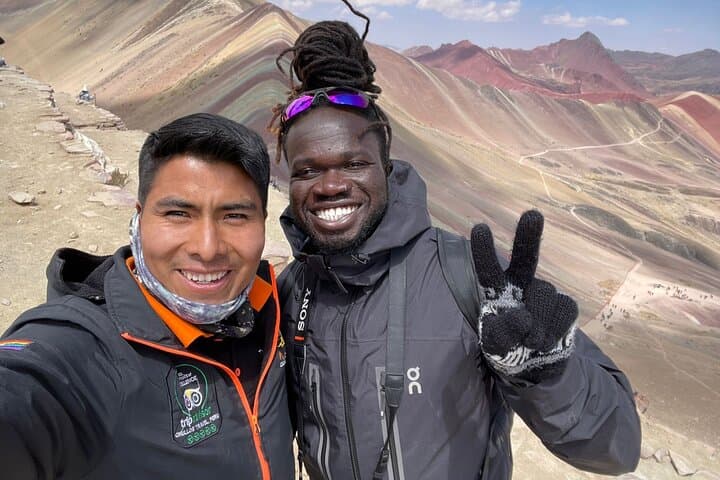
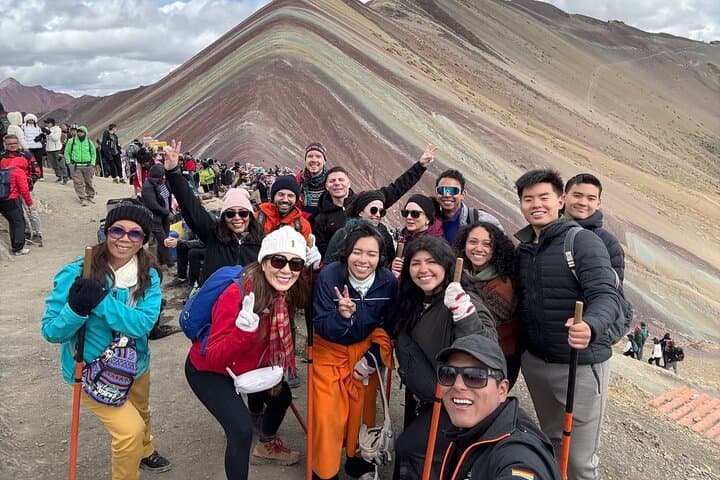
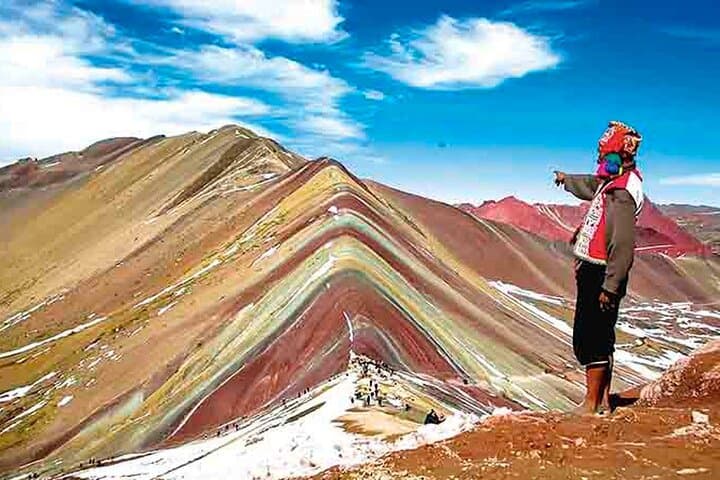
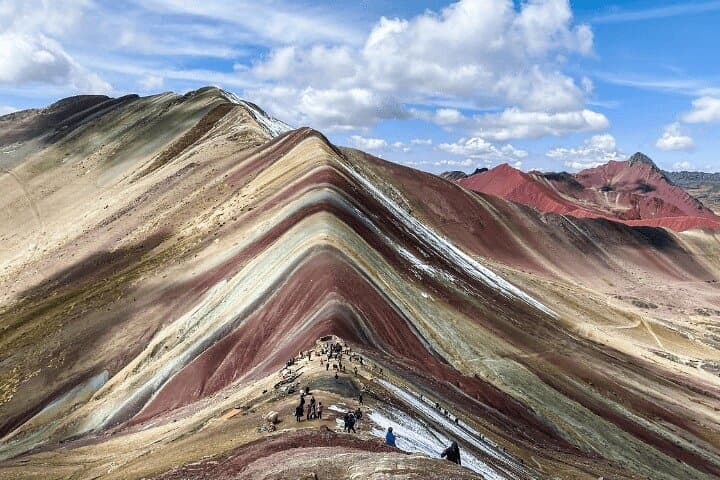
At first light the van peels out of Cusco and the high puna opens like a page in motion—wind pushing tufts of grass, the road slicing through ochre slopes. By the time walkers step onto the trailhead the air is thin and sharp; the ascent climbs for about two hours toward Vinicunca, better known as Rainbow Mountain, cresting at roughly 5,036 m (16,466 ft).
At first light the van peels out of Cusco and the high puna opens like a page in motion—wind pushing tufts of grass, the road slicing through ochre slopes. By the time walkers step onto the trailhead the air is thin and sharp; the ascent climbs for about two hours toward Vinicunca, better known as Rainbow Mountain, cresting at roughly 5,036 m (16,466 ft).
This banded hillside is a product of uplift and erosion: sedimentary layers rich in iron, copper and other minerals were exposed by glacial retreat and stripped by wind into the striated colors seen today. The Quechua people have long used these high plateaus for alpaca and llama grazing, and the area retains cultural ties—local vendors and shepherds remind visitors this is living countryside, not a staged backdrop.
Expect a sustained, moderate climb on rocky, often exposed trail with panoramic views of the Ausangate massif. The route’s character shifts from agricultural valleys near Cusipata to sparse high-elevation tundra where the wind seems to test each step. Guides commonly provide walking sticks and oxygen if needed, and tours include breakfast, boxed or buffet lunch, and private transport.
Practical edge: start early for thinner crowds and stable weather, move deliberately to manage altitude, and pack windproof layers—the temperature can swing sharply even on sunny days. Footwear should be solid and broken in, and water and sun protection are non-negotiable. For travelers with limited acclimatization, consider spending a day in Cusco or the Sacred Valley first; the mountain will reward a careful approach with one of the Andes’ most unexpectedly vivid views.