THE ADVENTURE COLLECTIVE® · Independent discovery and booking for outdoor travel

Follow a coastal road into Lebanon’s highlands on a private full-day tour that stitches together Qadisha Valley’s monasteries, the Gibran Museum in Bcharre, and the ancient Cedars of God. This accessible day trip blends short walks, cultural sites and dramatic geology with the convenience of private transport.
Follow a coastal road into Lebanon’s highlands on a private full-day tour that stitches together Qadisha Valley’s monasteries, the Gibran Museum in Bcharre, and the ancient Cedars of God. This accessible day trip blends short walks, cultural sites and dramatic geology with the convenience of private transport.
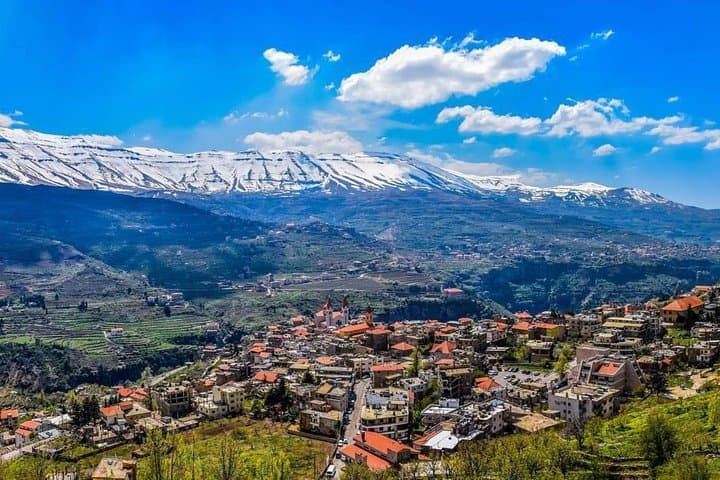
A mountain road unspools out of Beirut and, within two hours, the air hardens and smells of pine and stone. You arrive in Bcharre with limestone ridges cutting the horizon and solitary dry-stone terraces clinging to steep slopes. The day moves between cliffside monasteries, a compact museum of Kahlil Gibran, and the slow, ancient presence of the Cedars of God.
Verified experiences and guided adventures in the surrounding area.
Operated by Beirut Airport Transfer · Bcharre, North Governorate
A mountain road unspools out of Beirut and, within two hours, the air hardens and smells of pine and stone. You arrive in Bcharre with limestone ridges cutting the horizon and solitary dry-stone terraces clinging to steep slopes. The day moves between cliffside monasteries, a compact museum of Kahlil Gibran, and the slow, ancient presence of the Cedars of God.
Qadisha Valley is carved by water and centuries of hermit life; its caves and ascetic monasteries date back to early Christian eras and occupy narrow gorges where shepherd tracks become pilgrim routes. Geologically the valley is a karst landscape: limestone cliffs, sinkholes and narrow ravines formed by long erosion. Bcharre itself is an elevated town — birthplace of Gibran — with a local culture shaped by mountain agriculture, churches, and seasonal skiing at the Cedars slopes.
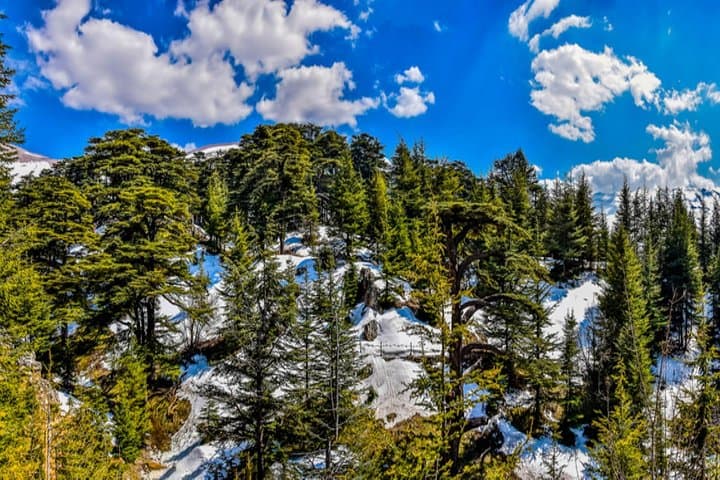
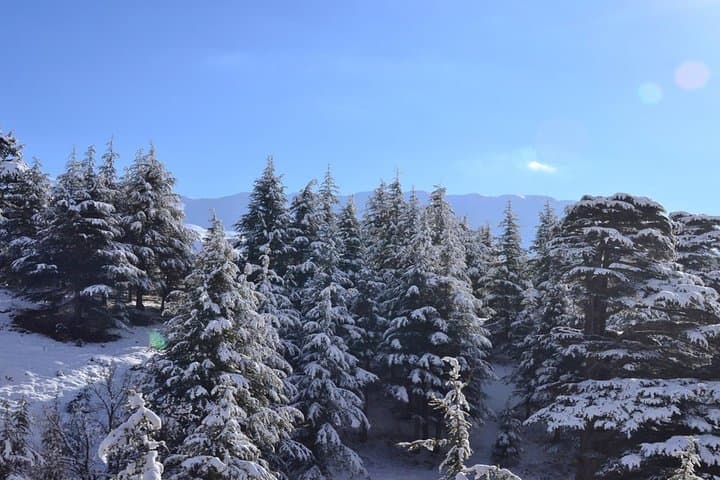
Expect short walks and easy access points rather than extended backcountry hiking. The Cedars grove contains individual trees that predate recorded maps; they stand like patient elders, their needles whispering in mountain winds. Monastic sites offer austere stone courtyards and fresco fragments in mute testimony to centuries of religious life.
Practical guidance: travel with layers and sturdy footwear, allow time for photo stops and brief village strolls, and bring cash for museum entry or local crafts. Roads are paved but winding; a private vehicle with an experienced driver makes the day efficient. Aim for a clear-weather day to get the best valley views and highest-contrast photographs.
easy.
8 hours.
Suitable for most fitness levels; involves short, mostly easy walks and some uneven stone paths
This private tour typically offers hotel pickup and drop-off in Beirut; exact pickup location is confirmed at booking.
Admissions are generally not included—bring cash for the Gibran Museum and any paid-entry sites called out by the operator.
No technical hikes are required; expect short walks on uneven ground and some stone steps at monasteries and viewpoints.
Yes—infant seats can be provided and the tour is described as suitable for all fitness levels, but supervise children on cliffside viewpoints.
Qadisha Valley has hosted Christian monastic communities since the early centuries AD; the Cedars were historically prized for shipbuilding and temple construction and are a national symbol.
The Cedars of God are a protected remnant of ancient forests; visitors should stay on marked paths and avoid trampling seedlings to support regeneration efforts.
Beirut Airport Transfer operates guided outdoor trips and adventures with an emphasis on safety, stewardship, and memorable experiences.

A mountain road unspools out of Beirut and, within two hours, the air hardens and smells of pine and stone. You arrive in Bcharre with limestone ridges cutting the horizon and solitary dry-stone terraces clinging to steep slopes. The day moves between cliffside monasteries, a compact museum of Kahlil Gibran, and the slow, ancient presence of the Cedars of God.
A mountain road unspools out of Beirut and, within two hours, the air hardens and smells of pine and stone. You arrive in Bcharre with limestone ridges cutting the horizon and solitary dry-stone terraces clinging to steep slopes. The day moves between cliffside monasteries, a compact museum of Kahlil Gibran, and the slow, ancient presence of the Cedars of God.
Qadisha Valley is carved by water and centuries of hermit life; its caves and ascetic monasteries date back to early Christian eras and occupy narrow gorges where shepherd tracks become pilgrim routes. Geologically the valley is a karst landscape: limestone cliffs, sinkholes and narrow ravines formed by long erosion. Bcharre itself is an elevated town — birthplace of Gibran — with a local culture shaped by mountain agriculture, churches, and seasonal skiing at the Cedars slopes.
Expect short walks and easy access points rather than extended backcountry hiking. The Cedars grove contains individual trees that predate recorded maps; they stand like patient elders, their needles whispering in mountain winds. Monastic sites offer austere stone courtyards and fresco fragments in mute testimony to centuries of religious life.
Practical guidance: travel with layers and sturdy footwear, allow time for photo stops and brief village strolls, and bring cash for museum entry or local crafts. Roads are paved but winding; a private vehicle with an experienced driver makes the day efficient. Aim for a clear-weather day to get the best valley views and highest-contrast photographs.