THE ADVENTURE COLLECTIVE® · Independent discovery and booking for outdoor travel

This private, full-day circuit from Athens links three of Greece’s most iconic sites—Meteora, Thermopylae and Delphi—into an intense 15‑hour expedition. Expect dramatic geology, layered history and several short steep walks; plan for long drives and modest dress at monasteries.
This private, full-day circuit from Athens links three of Greece’s most iconic sites—Meteora, Thermopylae and Delphi—into an intense 15‑hour expedition. Expect dramatic geology, layered history and several short steep walks; plan for long drives and modest dress at monasteries.
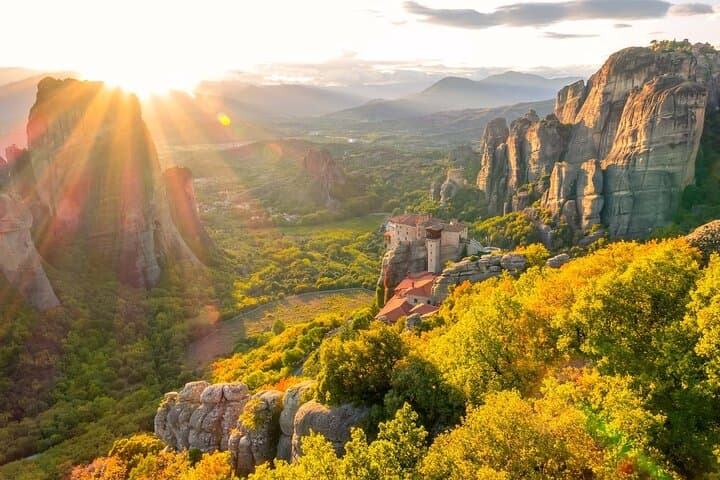
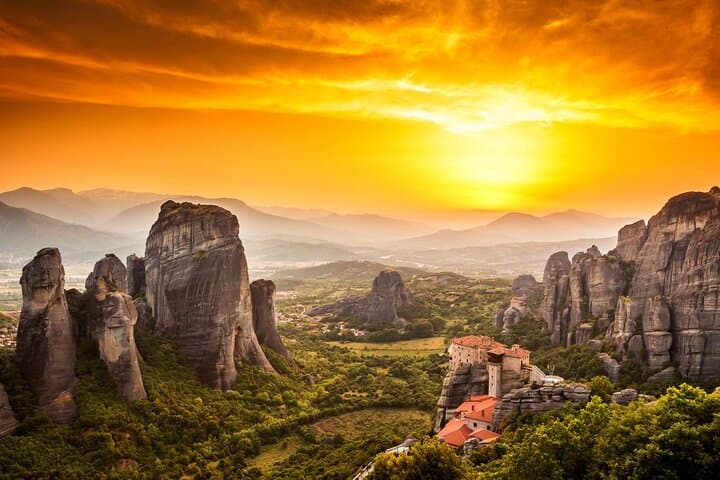
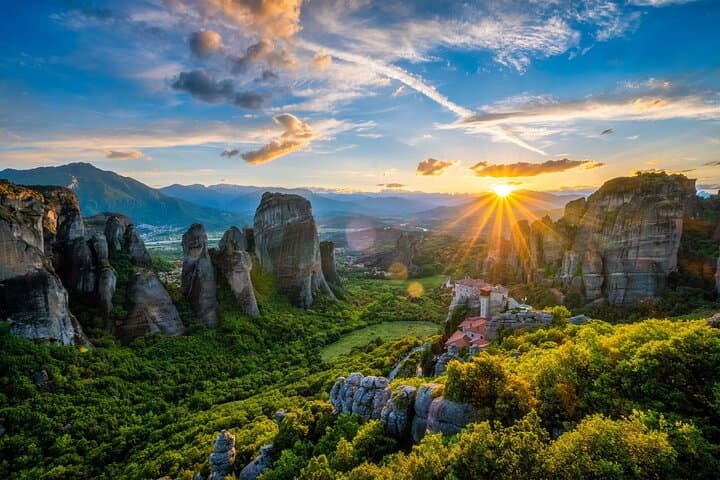
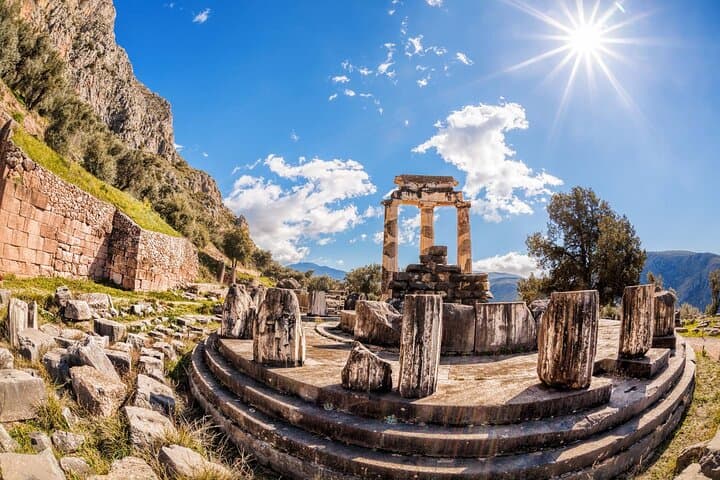
Morning light slices between limestone towers as the van leaves Athens and the road unfurls toward central Greece. By midday you stand beneath Meteora’s vertical pillars, wind tugging at camera straps while Orthodox bells call from monasteries perched on abrupt stone columns. Later the narrow coastal pass at Thermopylae narrows the horizon and memory—here the story of the 300 Spartans still shapes the land—and Delphi’s ruined terraces climb toward the place the ancients called the omphalos, the world’s navel.
Verified experiences and guided adventures in the surrounding area.
Operated by Best Tours In Greece · Kalambaka, Thessaly
Morning light slices between limestone towers as the van leaves Athens and the road unfurls toward central Greece. By midday you stand beneath Meteora’s vertical pillars, wind tugging at camera straps while Orthodox bells call from monasteries perched on abrupt stone columns. Later the narrow coastal pass at Thermopylae narrows the horizon and memory—here the story of the 300 Spartans still shapes the land—and Delphi’s ruined terraces climb toward the place the ancients called the omphalos, the world’s navel.
Geology here is blunt and dramatic: Neogene conglomerates, lifted and scoured into freestanding pillars, created the isolated platforms monks chose for refuge and prayer. Culture and history layer visibly—Byzantine chapels, Ottoman-era markers and classical ruins—so each stop reads like a different chapter of Greece’s past. Kastraki village at Meteora’s foot offers a quieter counterpoint, local tavernas and stone houses folded into the rock’s shadow.
Practical reality: expect a long day—roughly 15 hours including drives—with about eight hours of on-site sightseeing. Visits involve short steep climbs and many stairs; monasteries enforce modest dress and quiet behavior. Bring cash for small admissions and lunch, wear closed shoes for uneven paths, and carry water and sun protection. If you prefer a slower pace, split the route by overnighting in Kalambaka; otherwise prepare for a full but rewarding marathon of history, geology and striking vistas.
moderate.
14–15 hours.
Good baseline fitness for multiple short climbs, stairs and a long day on the road
The full experience is about 15 hours total, with roughly 7–8 hours spent at the main sites and the rest in transit between Athens, Thermopylae, Delphi and Meteora.
Admissions are typically small and not always included—bring cash and check with your provider whether entry fees are covered.
Short walks and stairs at sites make the tour generally suitable for families, but it’s not ideal for travelers with significant mobility limitations—notify the operator for accommodations.
Yes—there is usually a lunch stop in Kastraki or a nearby taverna; expect a 30–60 minute break depending on timing and group preference.
Delphi was the pan-Hellenic sanctuary of Apollo and a political-cultural center in antiquity; Thermopylae is famed for the 480 BC stand of Greek forces led by King Leonidas.
Meteora’s monasteries and trails are sensitive to visitor wear—stay on marked paths, avoid candles or touching frescoes, and follow local guidance to reduce impact.
Best Tours In Greece operates guided outdoor trips and adventures with an emphasis on safety, stewardship, and memorable experiences.
Morning light slices between limestone towers as the van leaves Athens and the road unfurls toward central Greece. By midday you stand beneath Meteora’s vertical pillars, wind tugging at camera straps while Orthodox bells call from monasteries perched on abrupt stone columns. Later the narrow coastal pass at Thermopylae narrows the horizon and memory—here the story of the 300 Spartans still shapes the land—and Delphi’s ruined terraces climb toward the place the ancients called the omphalos, the world’s navel.
Morning light slices between limestone towers as the van leaves Athens and the road unfurls toward central Greece. By midday you stand beneath Meteora’s vertical pillars, wind tugging at camera straps while Orthodox bells call from monasteries perched on abrupt stone columns. Later the narrow coastal pass at Thermopylae narrows the horizon and memory—here the story of the 300 Spartans still shapes the land—and Delphi’s ruined terraces climb toward the place the ancients called the omphalos, the world’s navel.
Geology here is blunt and dramatic: Neogene conglomerates, lifted and scoured into freestanding pillars, created the isolated platforms monks chose for refuge and prayer. Culture and history layer visibly—Byzantine chapels, Ottoman-era markers and classical ruins—so each stop reads like a different chapter of Greece’s past. Kastraki village at Meteora’s foot offers a quieter counterpoint, local tavernas and stone houses folded into the rock’s shadow.
Practical reality: expect a long day—roughly 15 hours including drives—with about eight hours of on-site sightseeing. Visits involve short steep climbs and many stairs; monasteries enforce modest dress and quiet behavior. Bring cash for small admissions and lunch, wear closed shoes for uneven paths, and carry water and sun protection. If you prefer a slower pace, split the route by overnighting in Kalambaka; otherwise prepare for a full but rewarding marathon of history, geology and striking vistas.