THE ADVENTURE COLLECTIVE® · Independent discovery and booking for outdoor travel

A full-day private tour from Athens through the Thessaly plain to Meteora delivers cliff-top monasteries, dramatic geological pillars, and centuries of Byzantine history. Expect a long day, steep stone steps, modest dress requirements, and unforgettable viewpoints.
A full-day private tour from Athens through the Thessaly plain to Meteora delivers cliff-top monasteries, dramatic geological pillars, and centuries of Byzantine history. Expect a long day, steep stone steps, modest dress requirements, and unforgettable viewpoints.
You arrive before the crowds have bled into the plain: the Thessaly light slants across wheat fields as the coach climbs toward the vertical silhouettes of Meteora. The rocks rise like stacked giants, cliffs of banded sandstone and conglomerate that have been carved by water and wind into pillars reaching more than 600 meters above the valley. The air here has a slow authority; gullies cradle rosemary and low pines, and thermal currents toy with the eagles that wheel above the monasteries.
Verified experiences and guided adventures in the surrounding area.
Operated by Splendid Greece Tours · Kalabaka, Thessaly
You arrive before the crowds have bled into the plain: the Thessaly light slants across wheat fields as the coach climbs toward the vertical silhouettes of Meteora. The rocks rise like stacked giants, cliffs of banded sandstone and conglomerate that have been carved by water and wind into pillars reaching more than 600 meters above the valley. The air here has a slow authority; gullies cradle rosemary and low pines, and thermal currents toy with the eagles that wheel above the monasteries.
Meteora’s cliff-top monasteries began as hermit refuges in the Byzantine era and grew into communal centers in the 14th century. Their frescoed churches and rope-and-winch histories tell a story of devotion and ingenuity—monks hauling supplies up with pulleys and ladders, leaving behind chapels that combine medieval art with dramatic geology. The region sits in the Trikala plain of Thessaly, part of a Natura 2000 landscape that supports raptors and endemic flora.
Practicalities: the private tour is a long day—roughly 12 hours including a 4–5 hour round drive from Athens—so expect early pickup around 07:00. You’ll visit two (sometimes three) monasteries depending on opening schedules; dress modestly (shoulders and knees covered) and wear sturdy shoes—many sites require climbing stone steps and uneven paths. Bring water, a light jacket for sudden wind at elevated viewpoints, and cash for optional lunches or small donations. If you want an on-site licensed guide inside the monasteries, book one in advance. Time your visit for morning or late afternoon light for the best photos and fewer bus groups.
moderate.
12 hours.
Good overall fitness recommended—tour includes multiple stair climbs and short hikes on uneven terrain.
Expect about 4–5 hours each way by road, depending on traffic—this private tour is a full 12‑hour day including travel and sightseeing.
Not usually — daily openings rotate and only two or three are typically visited on a single tour; check the provider’s itinerary for which ones are planned.
Access is limited: many sites require climbing stairs and narrow passages; mobility issues may restrict entry to some monasteries.
Lunch is optional and typically not included; most tours stop in Kalabaka where tavernas offer local dishes—bring cash for meals.
Monastic life at Meteora organized in the 14th century, with the Great Meteor monastery founded by Saint Athanasios; the complex is on the UNESCO World Heritage list.
Meteora is part of Natura 2000; stick to marked paths, respect restricted areas and avoid touching frescoes to reduce visitor impact.
Splendid Greece Tours operates guided outdoor trips and adventures with an emphasis on safety, stewardship, and memorable experiences.
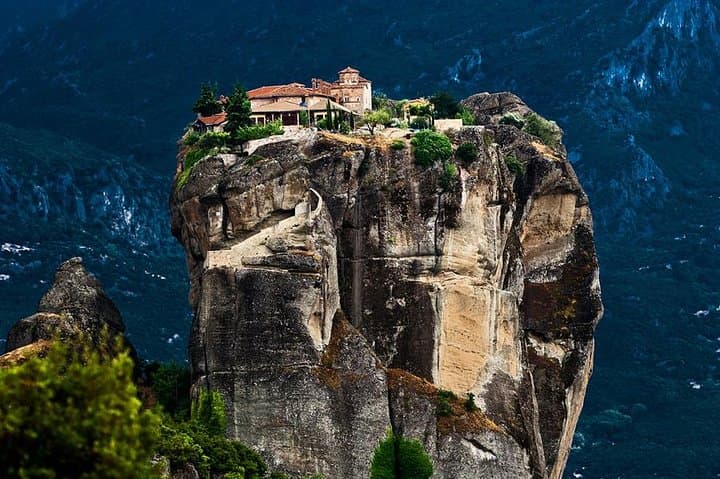
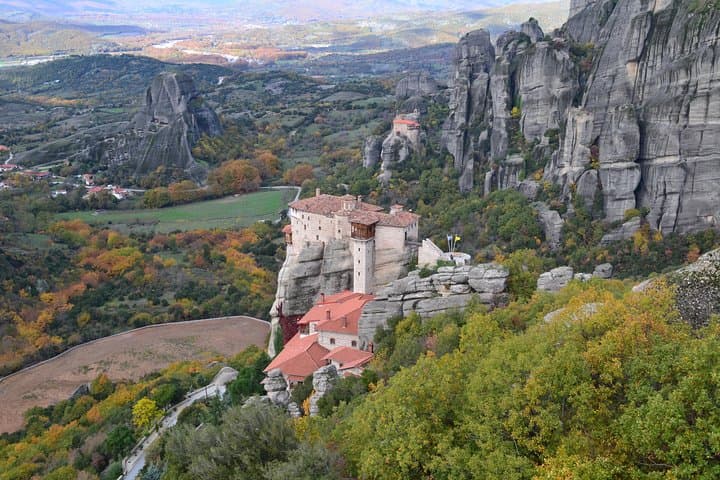
You arrive before the crowds have bled into the plain: the Thessaly light slants across wheat fields as the coach climbs toward the vertical silhouettes of Meteora. The rocks rise like stacked giants, cliffs of banded sandstone and conglomerate that have been carved by water and wind into pillars reaching more than 600 meters above the valley. The air here has a slow authority; gullies cradle rosemary and low pines, and thermal currents toy with the eagles that wheel above the monasteries.
You arrive before the crowds have bled into the plain: the Thessaly light slants across wheat fields as the coach climbs toward the vertical silhouettes of Meteora. The rocks rise like stacked giants, cliffs of banded sandstone and conglomerate that have been carved by water and wind into pillars reaching more than 600 meters above the valley. The air here has a slow authority; gullies cradle rosemary and low pines, and thermal currents toy with the eagles that wheel above the monasteries.
Meteora’s cliff-top monasteries began as hermit refuges in the Byzantine era and grew into communal centers in the 14th century. Their frescoed churches and rope-and-winch histories tell a story of devotion and ingenuity—monks hauling supplies up with pulleys and ladders, leaving behind chapels that combine medieval art with dramatic geology. The region sits in the Trikala plain of Thessaly, part of a Natura 2000 landscape that supports raptors and endemic flora.
Practicalities: the private tour is a long day—roughly 12 hours including a 4–5 hour round drive from Athens—so expect early pickup around 07:00. You’ll visit two (sometimes three) monasteries depending on opening schedules; dress modestly (shoulders and knees covered) and wear sturdy shoes—many sites require climbing stone steps and uneven paths. Bring water, a light jacket for sudden wind at elevated viewpoints, and cash for optional lunches or small donations. If you want an on-site licensed guide inside the monasteries, book one in advance. Time your visit for morning or late afternoon light for the best photos and fewer bus groups.