THE ADVENTURE COLLECTIVE® · Independent discovery and booking for outdoor travel

Travel from Kandy across Sri Lanka’s dry plains to Anuradhapura for a private full‑day look at some of the island’s oldest stupas, carved stonework, and sacred reservoirs. This one‑day tour pairs air‑conditioned transport with on‑site time at Ruwanwelisaya, Thuparamaya, Abhayagiri and more.
Travel from Kandy across Sri Lanka’s dry plains to Anuradhapura for a private full‑day look at some of the island’s oldest stupas, carved stonework, and sacred reservoirs. This one‑day tour pairs air‑conditioned transport with on‑site time at Ruwanwelisaya, Thuparamaya, Abhayagiri and more.
Morning light strips the mist from paddy fields as the van leaves Kandy and the landscape opens toward the dry plains of North Central Sri Lanka. By the time the skyline straightens into the silhouette of stupas and brick ruins, you feel the scale of Anuradhapura — stone and shadow marking a city that grew around sacred reservoirs and royal courts.
Verified experiences and guided adventures in the surrounding area.
Operated by Ceylon Classic Tours and Travel service (Pvt) Ltd · Anuradhapura, North Central Province
Morning light strips the mist from paddy fields as the van leaves Kandy and the landscape opens toward the dry plains of North Central Sri Lanka. By the time the skyline straightens into the silhouette of stupas and brick ruins, you feel the scale of Anuradhapura — stone and shadow marking a city that grew around sacred reservoirs and royal courts.
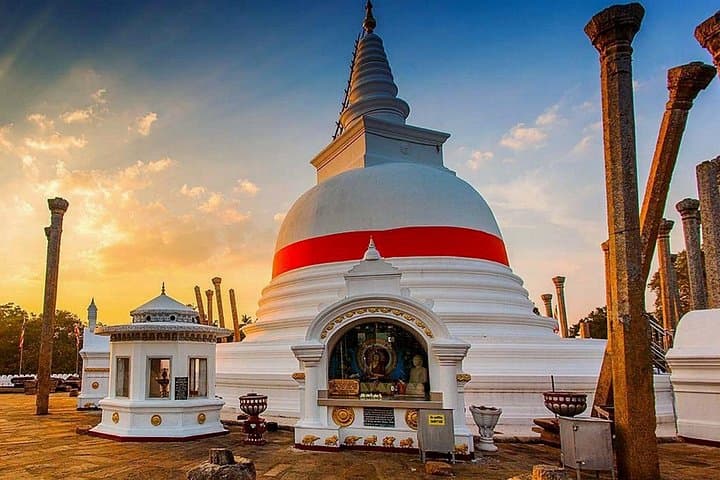
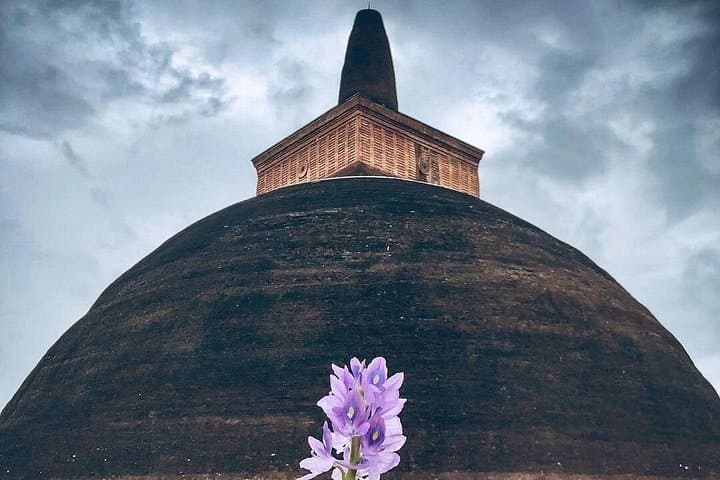
Walk past the hemispherical dome of Ruwanwelisaya, where centuries of reconstruction sit on top of original brickwork, and feel the low hum of devotion at Thuparamaya, the island’s earliest dagoba. Isurumuniya’s carved panels—lovers, royal processions, an elephant pond—offer a quieter, intimate counterpoint to the monumental Jetavanaramaya, once one of the tallest structures on earth.
Geologically the region is an ancient sedimentary plain fed by irrigation tanks; those man-made reservoirs shaped both agriculture and ritual life. Culturally, Anuradhapura was a center of Theravada Buddhism and remains an active pilgrimage site—expect ritual offerings, barefoot courtyards, and respectful silence.
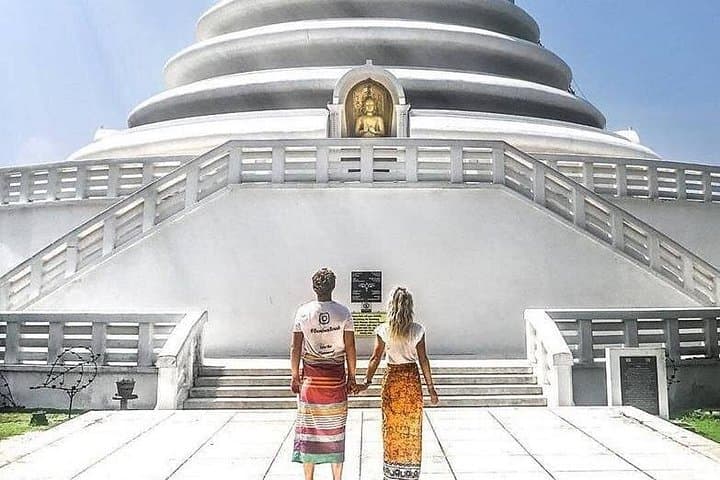
Practicalities: the day is long—plan for several hours on foot between sites and significant sun exposure. Modest clothing that covers shoulders and knees is required at temples. Bring water, sunscreen, and a hat; comfortable walking shoes with good grip are useful on uneven stone. The tour typically includes air-conditioned transport, bottled water and onboard Wi‑Fi, but check pickup times and whether entrance fees are included.
Timing tip: arrive early at major stupas to avoid crowds and heat. Respect conservation rules—stay on marked paths and don’t climb fragile brickwork. With straightforward logistics, this private day tour converts history into a readable route of monuments, reservoirs and living ritual.
easy.
10–12 hours.
Suitable for travelers in average fitness; involves multiple short walks and standing at sites.
The drive typically takes about 3–4 hours one way depending on traffic; expect a long day with early pickup and late return.
Policies vary by operator—confirm at booking whether national site fees are included or paid on arrival.
The tour is family-friendly but involves walking on uneven ground and steps; it may not be suitable for travelers with serious spinal or cardiovascular conditions.
Photography is generally allowed in open areas, but avoid photographing devotees during private prayers and observe any signs restricting cameras inside shrines.
Anuradhapura was Sri Lanka’s political and religious center from the 4th century BCE; its reservoirs and stupas reflect early hydraulic engineering and Buddhist institutional life.
The UNESCO site relies on regulated visitor routes and restoration projects; visitors should avoid climbing ruins, follow signage and use local guides to support sustainable stewardship.
Ceylon Classic Tours and Travel service (Pvt) Ltd operates guided outdoor trips and adventures with an emphasis on safety, stewardship, and memorable experiences.

Morning light strips the mist from paddy fields as the van leaves Kandy and the landscape opens toward the dry plains of North Central Sri Lanka. By the time the skyline straightens into the silhouette of stupas and brick ruins, you feel the scale of Anuradhapura — stone and shadow marking a city that grew around sacred reservoirs and royal courts.
Morning light strips the mist from paddy fields as the van leaves Kandy and the landscape opens toward the dry plains of North Central Sri Lanka. By the time the skyline straightens into the silhouette of stupas and brick ruins, you feel the scale of Anuradhapura — stone and shadow marking a city that grew around sacred reservoirs and royal courts.
Walk past the hemispherical dome of Ruwanwelisaya, where centuries of reconstruction sit on top of original brickwork, and feel the low hum of devotion at Thuparamaya, the island’s earliest dagoba. Isurumuniya’s carved panels—lovers, royal processions, an elephant pond—offer a quieter, intimate counterpoint to the monumental Jetavanaramaya, once one of the tallest structures on earth.
Geologically the region is an ancient sedimentary plain fed by irrigation tanks; those man-made reservoirs shaped both agriculture and ritual life. Culturally, Anuradhapura was a center of Theravada Buddhism and remains an active pilgrimage site—expect ritual offerings, barefoot courtyards, and respectful silence.
Practicalities: the day is long—plan for several hours on foot between sites and significant sun exposure. Modest clothing that covers shoulders and knees is required at temples. Bring water, sunscreen, and a hat; comfortable walking shoes with good grip are useful on uneven stone. The tour typically includes air-conditioned transport, bottled water and onboard Wi‑Fi, but check pickup times and whether entrance fees are included.
Timing tip: arrive early at major stupas to avoid crowds and heat. Respect conservation rules—stay on marked paths and don’t climb fragile brickwork. With straightforward logistics, this private day tour converts history into a readable route of monuments, reservoirs and living ritual.