THE ADVENTURE COLLECTIVE® · Independent discovery and booking for outdoor travel

Spend a private day moving between Takayama’s preserved Edo streets and the UNESCO gassho-zukuri village of Shirakawago. This guided nine-hour route blends easy walks, craft markets, and dramatic rooftop views with local history and practical tips for timing and gear.
Spend a private day moving between Takayama’s preserved Edo streets and the UNESCO gassho-zukuri village of Shirakawago. This guided nine-hour route blends easy walks, craft markets, and dramatic rooftop views with local history and practical tips for timing and gear.
A cool mountain light lifts off the rice paddies as your private vehicle slips out of Takayama’s tidy streets and into the slow rhythm of Hida’s highlands. Within an hour you’ll trade the town’s wooden shopfronts for sharply pitched thatch roofs rising from frozen winter drifts or verdant summer fields — the gassho-zukuri houses of Ogimachi demand attention, their steep eaves like hands pressed in prayer against the snow.
Verified experiences and guided adventures in the surrounding area.
Operated by taxiGo Limo Airport Service · Takayama, Gifu Prefecture
A cool mountain light lifts off the rice paddies as your private vehicle slips out of Takayama’s tidy streets and into the slow rhythm of Hida’s highlands. Within an hour you’ll trade the town’s wooden shopfronts for sharply pitched thatch roofs rising from frozen winter drifts or verdant summer fields — the gassho-zukuri houses of Ogimachi demand attention, their steep eaves like hands pressed in prayer against the snow.
These villages are living artifacts: UNESCO protected since 1995, built by communities who engineered nail-free frames and steep roofs to shrug off heavy snowfall. Takayama itself preserves Edo-period urban form — markets, Shorenji’s pagoda and the administrative Takayama Jinya recall provincial life under the Tokugawa. Geologically, the area sits on folded ranges where rivers carve terraces; those streams still shape village placement and rice terraces.
On a private nine-hour tour you’ll visit the Miyagawa morning market, Hida Folk Village, the Wada House and the Ogimachi observatory, with time to step inside a farmhouse and feel the lofted rafters. Expect easy walking on compact streets, some uneven boards and short stairways in historic homes.
Practical edge: travel between Takayama and Shirakawago takes about 45–60 minutes by car; bring cash for small shops, wear grippy shoes for wooden floors and pack layers — mountain weather changes fast. Aim for morning light at the observatory for photos and save your questions for a local guide who can translate architecture, farming rhythms and traditions into on-the-ground context.
easy.
9 hours.
Suitable for most fitness levels; the day includes several short walks on mostly flat village streets with occasional steps and uneven surfaces.
This private tour covers transportation and guiding; entrance fees to specific museums or special house interiors may be paid on-site—check your booking details or ask your guide.
Pick-up and drop-off are at Takayama city center or hotels within Takayama, with return in time to relax at your accommodation.
The tour is rated easy, but many historic buildings have steps and narrow passages; contact the operator in advance to arrange accessible options and pick-up locations.
Yes — infant seats are available; indicate age and needs at booking so the guide can prepare seating and itinerary adjustments.
The Hida region developed distinct gassho-zukuri architecture to survive deep snow; Ogimachi and surrounding villages were designated a UNESCO World Heritage Site in 1995 for that vernacular design.
Visitors are encouraged to stay on marked paths, avoid drone use over residential areas, and follow local rules to protect fragile thatch roofs and community life.
taxiGo Limo Airport Service operates guided outdoor trips and adventures with an emphasis on safety, stewardship, and memorable experiences.
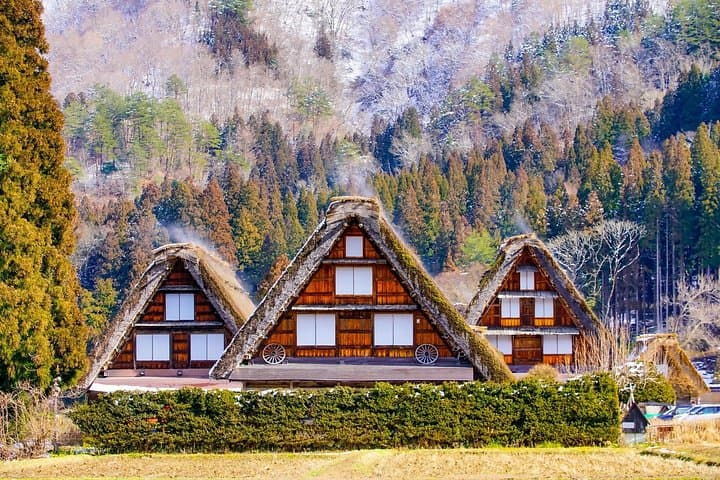
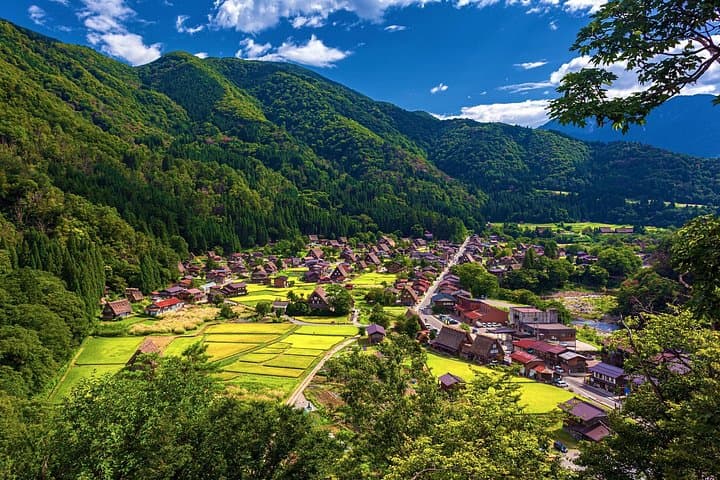
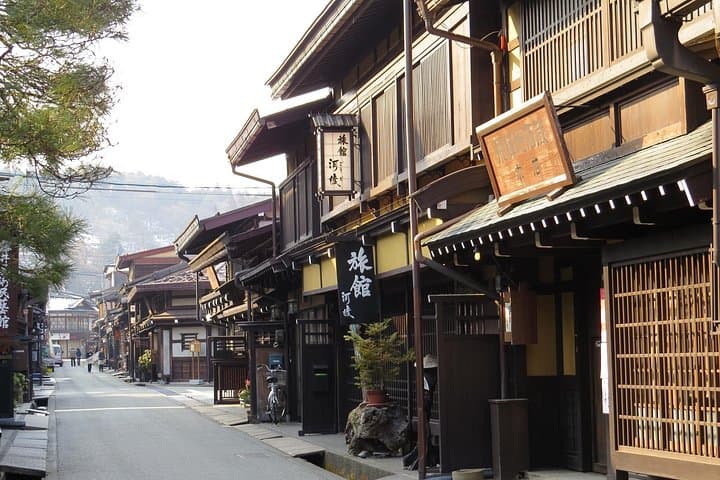

A cool mountain light lifts off the rice paddies as your private vehicle slips out of Takayama’s tidy streets and into the slow rhythm of Hida’s highlands. Within an hour you’ll trade the town’s wooden shopfronts for sharply pitched thatch roofs rising from frozen winter drifts or verdant summer fields — the gassho-zukuri houses of Ogimachi demand attention, their steep eaves like hands pressed in prayer against the snow.
A cool mountain light lifts off the rice paddies as your private vehicle slips out of Takayama’s tidy streets and into the slow rhythm of Hida’s highlands. Within an hour you’ll trade the town’s wooden shopfronts for sharply pitched thatch roofs rising from frozen winter drifts or verdant summer fields — the gassho-zukuri houses of Ogimachi demand attention, their steep eaves like hands pressed in prayer against the snow.
These villages are living artifacts: UNESCO protected since 1995, built by communities who engineered nail-free frames and steep roofs to shrug off heavy snowfall. Takayama itself preserves Edo-period urban form — markets, Shorenji’s pagoda and the administrative Takayama Jinya recall provincial life under the Tokugawa. Geologically, the area sits on folded ranges where rivers carve terraces; those streams still shape village placement and rice terraces.
On a private nine-hour tour you’ll visit the Miyagawa morning market, Hida Folk Village, the Wada House and the Ogimachi observatory, with time to step inside a farmhouse and feel the lofted rafters. Expect easy walking on compact streets, some uneven boards and short stairways in historic homes.
Practical edge: travel between Takayama and Shirakawago takes about 45–60 minutes by car; bring cash for small shops, wear grippy shoes for wooden floors and pack layers — mountain weather changes fast. Aim for morning light at the observatory for photos and save your questions for a local guide who can translate architecture, farming rhythms and traditions into on-the-ground context.