THE ADVENTURE COLLECTIVE® · Independent discovery and booking for outdoor travel

Spend a private day tracing Sicily’s layers: ancient ruins at Neapolis, the seaside charm of Ortigia, and Noto’s UNESCO-listed Baroque streets. This eight-hour guided tour from Catania combines history, architecture and practical local insight.
Spend a private day tracing Sicily’s layers: ancient ruins at Neapolis, the seaside charm of Ortigia, and Noto’s UNESCO-listed Baroque streets. This eight-hour guided tour from Catania combines history, architecture and practical local insight.
You step out of the minivan and the sea-bright air of southeastern Sicily pushes at your shoulders as the guide points toward stone that has watched empires pass. The day opens in the Archaeological Park of Neapolis, where a Roman amphitheater and the cave known as the Ear of Dionysius carve sound and memory into limestone. Later, Ortigia’s narrow lanes unfurl like a well-read map — fountains, baroque churches, and a harbor that dares you to stand and watch the light shift.
Verified experiences and guided adventures in the surrounding area.
Operated by Opatrip.com Italy · Catania, Sicily
You step out of the minivan and the sea-bright air of southeastern Sicily pushes at your shoulders as the guide points toward stone that has watched empires pass. The day opens in the Archaeological Park of Neapolis, where a Roman amphitheater and the cave known as the Ear of Dionysius carve sound and memory into limestone. Later, Ortigia’s narrow lanes unfurl like a well-read map — fountains, baroque churches, and a harbor that dares you to stand and watch the light shift.
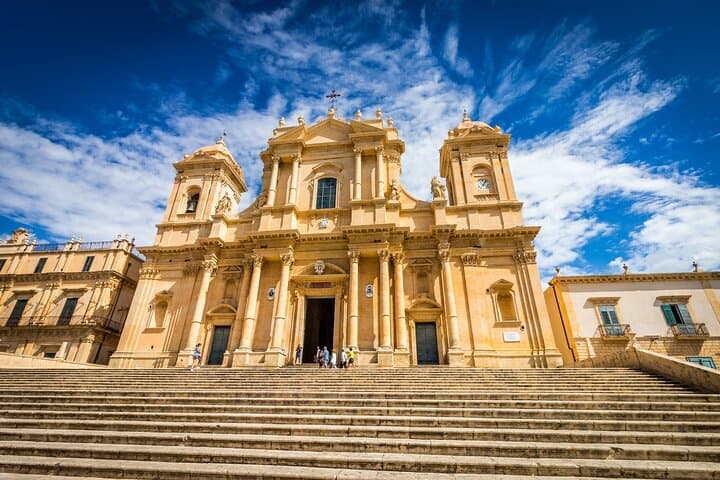
Syracuse was one of the great Greek city-states; its layers include Greek, Roman and medieval traces, and Archimedes’ name still lingers here. Noto, rebuilt after the 1693 earthquake, is often called a “Stone Garden” for its honey-colored Baroque facades and sculpted balconies — UNESCO recognized the town for this concentrated architecture. Geologically the coast is young limestone and calcarenite shaped by sea spray and sun; culturally you’ll sense a living continuity of craft, coffee, and afternoon passeggiata.
Practically, this private, full-day tour runs about eight hours with door-to-door transport from Catania and guided walks at each stop. Expect moderate walking on uneven pavements and short staircases in Ortigia; wear supportive shoes, bring sun protection and a refillable water bottle. Timing matters: mornings are cooler and quieter at archaeological sites; late afternoon is best for pale-gold light in Noto. Confirm pickup location in Catania, carry ID for any site admissions, and plan for cafés and gelato breaks — the best way to parse Sicilian afternoons between ruins and baroque façades.
easy.
8 hours.
Suitable for most fitness levels; requires standing and walking for several short stretches over uneven ground.
Pickups are arranged from Catania — confirm the exact meeting point at booking; private tours often offer flexible pickup within city limits.
Admissions are generally not included unless specified; have cash or card available for archaeological park or museum tickets.
The tour involves uneven pavements and steps; while the route is rated easy, limited mobility travelers should check specifics with the operator before booking.
Spring and fall offer mild temperatures and fewer crowds; summers are hot but lively, while winter is quieter with some reduced service hours.
Syracuse was a major Greek colony and later a Roman city; Noto was rebuilt in late 17th century Baroque style after a major earthquake, creating the unified urban ensemble seen today.
Noto’s UNESCO status encourages preservation; visitors should stay on marked paths, avoid touching fragile stonework, and support local businesses to keep tourism sustainable.
Opatrip.com Italy operates guided outdoor trips and adventures with an emphasis on safety, stewardship, and memorable experiences.

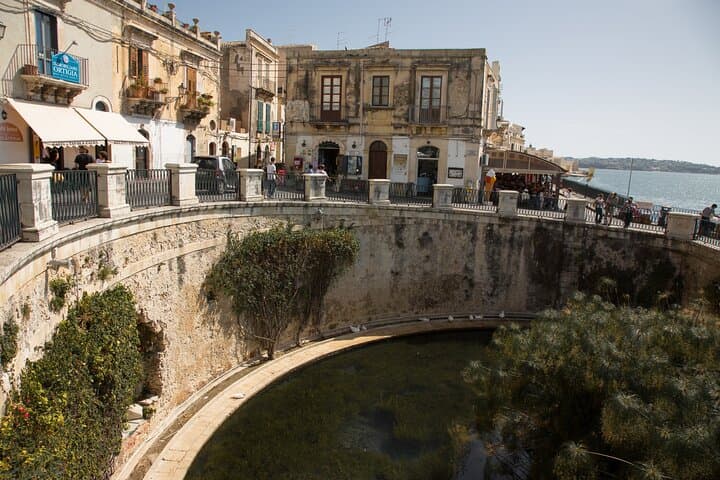
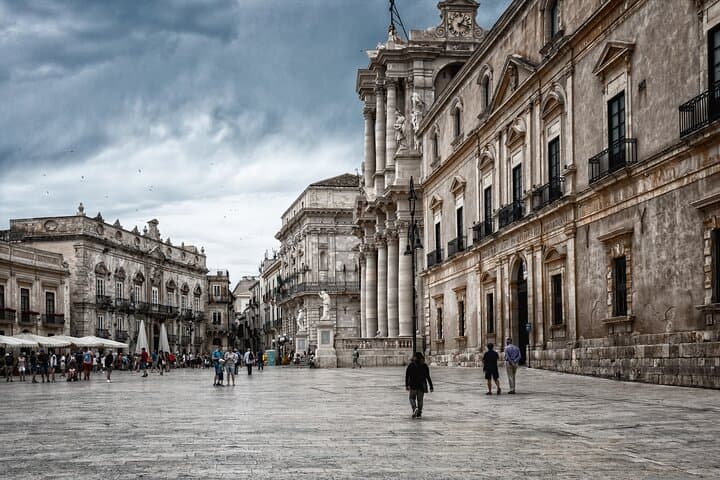
You step out of the minivan and the sea-bright air of southeastern Sicily pushes at your shoulders as the guide points toward stone that has watched empires pass. The day opens in the Archaeological Park of Neapolis, where a Roman amphitheater and the cave known as the Ear of Dionysius carve sound and memory into limestone. Later, Ortigia’s narrow lanes unfurl like a well-read map — fountains, baroque churches, and a harbor that dares you to stand and watch the light shift.
You step out of the minivan and the sea-bright air of southeastern Sicily pushes at your shoulders as the guide points toward stone that has watched empires pass. The day opens in the Archaeological Park of Neapolis, where a Roman amphitheater and the cave known as the Ear of Dionysius carve sound and memory into limestone. Later, Ortigia’s narrow lanes unfurl like a well-read map — fountains, baroque churches, and a harbor that dares you to stand and watch the light shift.
Syracuse was one of the great Greek city-states; its layers include Greek, Roman and medieval traces, and Archimedes’ name still lingers here. Noto, rebuilt after the 1693 earthquake, is often called a “Stone Garden” for its honey-colored Baroque facades and sculpted balconies — UNESCO recognized the town for this concentrated architecture. Geologically the coast is young limestone and calcarenite shaped by sea spray and sun; culturally you’ll sense a living continuity of craft, coffee, and afternoon passeggiata.
Practically, this private, full-day tour runs about eight hours with door-to-door transport from Catania and guided walks at each stop. Expect moderate walking on uneven pavements and short staircases in Ortigia; wear supportive shoes, bring sun protection and a refillable water bottle. Timing matters: mornings are cooler and quieter at archaeological sites; late afternoon is best for pale-gold light in Noto. Confirm pickup location in Catania, carry ID for any site admissions, and plan for cafés and gelato breaks — the best way to parse Sicilian afternoons between ruins and baroque façades.