THE ADVENTURE COLLECTIVE® · Independent discovery and booking for outdoor travel

A private full-day loop from Lisbon that threads the misty palaces of Sintra, the wind-bent cliffs of Cabo da Roca and the seaside charm of Cascais. Curated stops, historical context and hotel pickup make it an efficient way to see the highlights without the crowds.
A private full-day loop from Lisbon that threads the misty palaces of Sintra, the wind-bent cliffs of Cabo da Roca and the seaside charm of Cascais. Curated stops, historical context and hotel pickup make it an efficient way to see the highlights without the crowds.
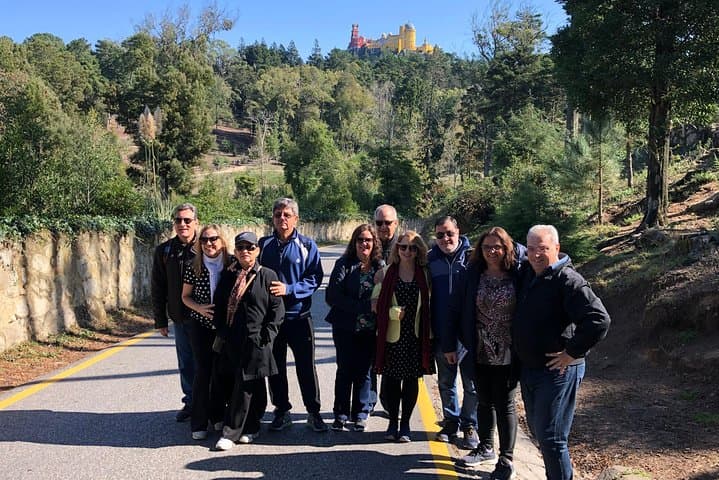
You arrive before the crowds and the road still smells of Atlantic spray. The van threads uphill from Lisbon into the Serra de Sintra—mists lift off cork oaks and the driver points at a pinnacle of tile and ochre that seems to float above the trees. That’s Peña Palace, a 19th-century Romantic flourish sitting on granite outcrops like a stage set for Portugal’s turbulent history. Over the next eight hours the landscape will shift from shadowed laurel woods and Moorish walls to the raw Atlantic cliffs at Cabo da Roca, then down into Cascais where the sea relaxes into a harbor.
Verified experiences and guided adventures in the surrounding area.
Operated by West Side tours · Sintra, Lisboa
You arrive before the crowds and the road still smells of Atlantic spray. The van threads uphill from Lisbon into the Serra de Sintra—mists lift off cork oaks and the driver points at a pinnacle of tile and ochre that seems to float above the trees. That’s Peña Palace, a 19th-century Romantic flourish sitting on granite outcrops like a stage set for Portugal’s turbulent history. Over the next eight hours the landscape will shift from shadowed laurel woods and Moorish walls to the raw Atlantic cliffs at Cabo da Roca, then down into Cascais where the sea relaxes into a harbor.
Sintra’s geology is old granite smoothed by glaciers and ocean winds; its culture is a palimpsest of Moors, Portuguese monarchs and Romantic-era aesthetes who turned private cottages into palaces. Quinta da Regaleira’s initiatory well and its gothic wells echo occult symbolism; Pena Palace wears late-Romantic color and tile as an argument for national identity. Cabo da Roca, the westernmost point of continental Europe, is where the land makes a last theatrical bow—wind pushes out here, waves throw themselves at cliffs and seabirds circle like punctuation marks.
A private tour makes these places practical rather than perfunctory. Your guide will choose where to stop based on timing, and you’ll trade long waits and crowding for curated views and history—outside access to the palaces, a full walk through Regaleira’s palace gardens and well, a photo stop at the lighthouse, and a pause for espresso in Cascais’ centro.
Practical ground rules: start early. Sintra’s narrow streets are busiest after 10:00 and road parking is non-existent. Bring sturdy shoes—the palace grounds and cliff edges are uneven and often damp. Weather changes fast between mountain and coast; layers and a windproof shell matter. If you want interior visits to Pena or the National Palace, reserve entrance tickets in advance; the tour can orient you and time the stops, but skip-the-line access isn’t guaranteed by default.
Hydrate—bottled water is provided on board—and factor in time for walking rather than just photo stops. For families, the itinerary is forgiving; for photographers and history buffs, ask your guide to linger at the well and at the cape at golden hour.
By day’s end you’ll have climbed the region’s story: Moorish fortifications, royal ambition, Romantic imagination and the Atlantic’s blunt geography. It’s a full day, but one that reads like a compact course in why this thin patch of Portugal captured Europe’s imagination.
easy.
8–9 hours.
Suitable for travelers with basic mobility—includes short walks, stairs, and uneven surfaces
No—this private tour includes guided stops and outside visits; interior admissions such as Pena Palace or Quinta da Regaleira are typically not included and should be purchased in advance if you plan to enter.
Pickup and drop-off are offered from hotels or apartments in and around Lisbon—confirm your address at booking for a specific pickup time.
Yes; the itinerary is rated physically easy, but expect stairs and some walking on uneven surfaces—request mobility accommodations when booking.
This is a private tour for your group only; vehicle size may vary with group size and luggage needs.
Yes—since it’s private, guides can adjust stops and timing to focus on interiors, extra photo time or a longer Cascais lunch within the tour’s duration.
The tour runs in most weather; bring waterproof layers. If landmarks are closed due to severe weather, the operator will re-route or offer alternatives—check the cancellation policy for refunds.
Sintra grew as a royal retreat from medieval times; 19th-century Romanticism reshaped its palaces into the colorful, eclectic monuments seen today.
Erosion and visitor impact on cliffs and fragile gardens are ongoing concerns—stay on marked paths and follow local signage to protect sensitive sites.
West Side tours operates guided outdoor trips and adventures with an emphasis on safety, stewardship, and memorable experiences.
You arrive before the crowds and the road still smells of Atlantic spray. The van threads uphill from Lisbon into the Serra de Sintra—mists lift off cork oaks and the driver points at a pinnacle of tile and ochre that seems to float above the trees. That’s Peña Palace, a 19th-century Romantic flourish sitting on granite outcrops like a stage set for Portugal’s turbulent history. Over the next eight hours the landscape will shift from shadowed laurel woods and Moorish walls to the raw Atlantic cliffs at Cabo da Roca, then down into Cascais where the sea relaxes into a harbor.
You arrive before the crowds and the road still smells of Atlantic spray. The van threads uphill from Lisbon into the Serra de Sintra—mists lift off cork oaks and the driver points at a pinnacle of tile and ochre that seems to float above the trees. That’s Peña Palace, a 19th-century Romantic flourish sitting on granite outcrops like a stage set for Portugal’s turbulent history. Over the next eight hours the landscape will shift from shadowed laurel woods and Moorish walls to the raw Atlantic cliffs at Cabo da Roca, then down into Cascais where the sea relaxes into a harbor.
Sintra’s geology is old granite smoothed by glaciers and ocean winds; its culture is a palimpsest of Moors, Portuguese monarchs and Romantic-era aesthetes who turned private cottages into palaces. Quinta da Regaleira’s initiatory well and its gothic wells echo occult symbolism; Pena Palace wears late-Romantic color and tile as an argument for national identity. Cabo da Roca, the westernmost point of continental Europe, is where the land makes a last theatrical bow—wind pushes out here, waves throw themselves at cliffs and seabirds circle like punctuation marks.
A private tour makes these places practical rather than perfunctory. Your guide will choose where to stop based on timing, and you’ll trade long waits and crowding for curated views and history—outside access to the palaces, a full walk through Regaleira’s palace gardens and well, a photo stop at the lighthouse, and a pause for espresso in Cascais’ centro.
Practical ground rules: start early. Sintra’s narrow streets are busiest after 10:00 and road parking is non-existent. Bring sturdy shoes—the palace grounds and cliff edges are uneven and often damp. Weather changes fast between mountain and coast; layers and a windproof shell matter. If you want interior visits to Pena or the National Palace, reserve entrance tickets in advance; the tour can orient you and time the stops, but skip-the-line access isn’t guaranteed by default.
Hydrate—bottled water is provided on board—and factor in time for walking rather than just photo stops. For families, the itinerary is forgiving; for photographers and history buffs, ask your guide to linger at the well and at the cape at golden hour.
By day’s end you’ll have climbed the region’s story: Moorish fortifications, royal ambition, Romantic imagination and the Atlantic’s blunt geography. It’s a full day, but one that reads like a compact course in why this thin patch of Portugal captured Europe’s imagination.