THE ADVENTURE COLLECTIVE® · Independent discovery and booking for outdoor travel

See the Great Pyramids, Saqqara’s Step Pyramid, Dahshur’s Bent and Red pyramids, and ancient Memphis in a single, expertly guided day. This private tour combines rare interior access with context from an Egyptologist to make sense of the stones and the stories behind them.
See the Great Pyramids, Saqqara’s Step Pyramid, Dahshur’s Bent and Red pyramids, and ancient Memphis in a single, expertly guided day. This private tour combines rare interior access with context from an Egyptologist to make sense of the stones and the stories behind them.
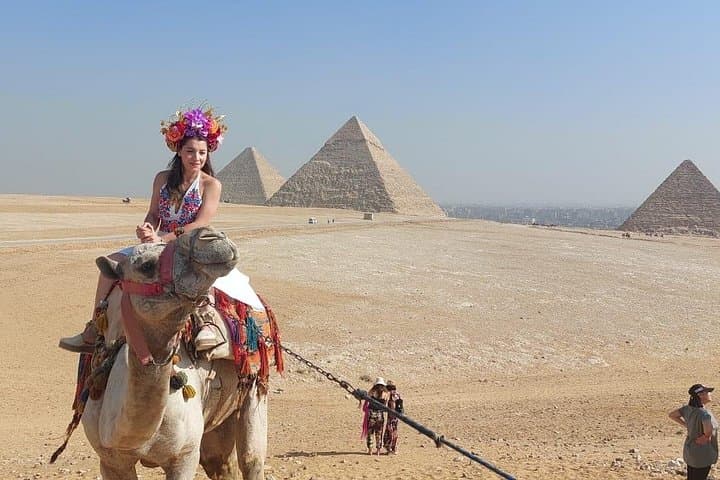
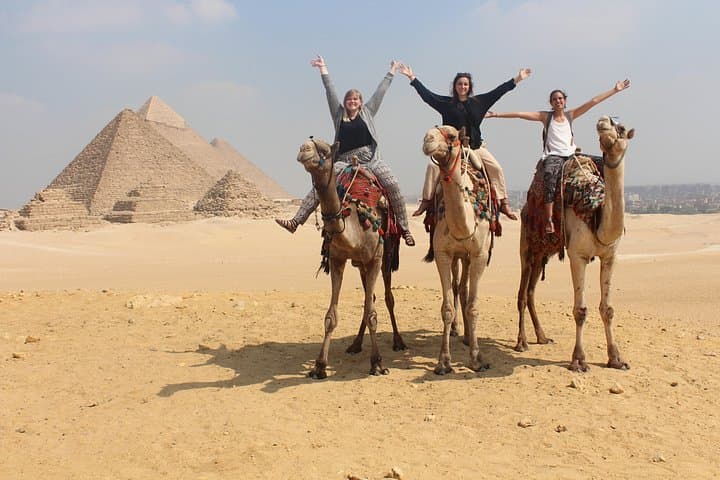
You arrive at dawn on the Giza Plateau and the desert opens like a slow breath: stone ramps and angles cut against a pale sky while the Sphinx watches, patient and immovable. The guide leads the way into Khafre’s second pyramid, where narrow corridors change the scale and the hush makes even the wind feel reverent.
Verified experiences and guided adventures in the surrounding area.
Operated by Look at Egypt Tours · Giza, Giza Governorate
You arrive at dawn on the Giza Plateau and the desert opens like a slow breath: stone ramps and angles cut against a pale sky while the Sphinx watches, patient and immovable. The guide leads the way into Khafre’s second pyramid, where narrow corridors change the scale and the hush makes even the wind feel reverent.
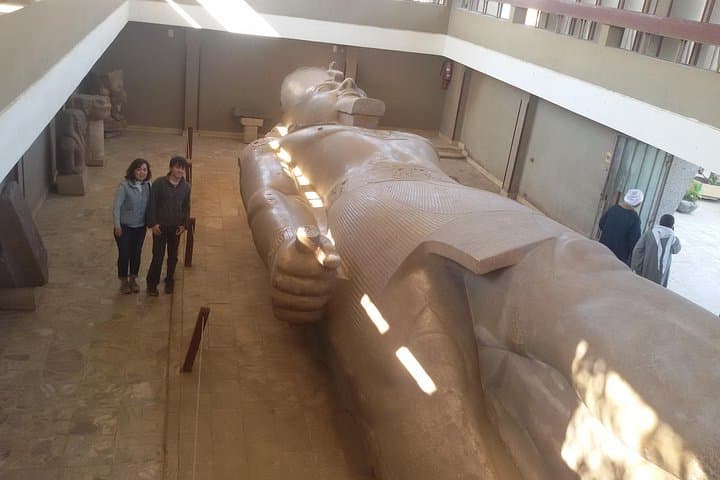
Over the day the route moves south to Saqqara’s necropolis—where Djoser’s Step Pyramid marks the beginning of monumental stonework—and then to Dahshur, where the Bent and Red pyramids stand as visible experiments in architectural transition. Memphis closes the loop: an open-air museum with the colossal Ramses II and fragments that speak to Egypt’s first capital. Geology here is simple and raw—limestone beds and wind-polished sand—yet those materials underpinned a civilization’s reach for permanence.
Culturally the sites chart shifts in religious practice, burial architecture, and royal ambition across millennia; an Egyptologist frames those changes so the stones read like pages. Expect warm sun, short walks between monuments, and moments of close-up archaeology where entrance into some pyramids is permitted.
Practical guide: start early to avoid peak heat, wear closed shoes for sandy, uneven surfaces, and carry sunscreen, water, and a lightweight daypack. Photography is allowed at most sites but follow your guide and posted rules for interior spaces. Plan for a long, rewarding day—you’ll leave with a clearer sense of how engineering, ritual, and landscape combined to shape ancient Egypt.
moderate.
8–9 hours.
Suitable for travelers in average physical condition who can stand and walk on uneven surfaces for several hours; minimal stamina required but prepare for heat.
This itinerary includes interior access to several pyramids (subject to current site regulations); your guide will confirm which interiors are open that day.
The transport and many outdoor areas are wheelchair accessible, but interior pyramid passages and some archaeological surfaces are not suitable for wheelchairs.
Yes—lunch at a local restaurant and bottled water during transfers are included in the tour price.
Expect multiple short to moderate walks across uneven desert terrain and museum grounds; total walking is spread throughout the day rather than a single long hike.
The Step Pyramid of Djoser at Saqqara (circa 27th century BCE) is the world’s earliest large-scale stone structure; Dahshur’s Bent and Red pyramids reveal early experimentation that led to the classic pyramid form.
Excessive foot traffic, humidity, and unregulated photography can stress fragile interiors; follow site rules, avoid touching reliefs, and support guided visits that fund conservation.
Look at Egypt Tours operates guided outdoor trips and adventures with an emphasis on safety, stewardship, and memorable experiences.

You arrive at dawn on the Giza Plateau and the desert opens like a slow breath: stone ramps and angles cut against a pale sky while the Sphinx watches, patient and immovable. The guide leads the way into Khafre’s second pyramid, where narrow corridors change the scale and the hush makes even the wind feel reverent.
You arrive at dawn on the Giza Plateau and the desert opens like a slow breath: stone ramps and angles cut against a pale sky while the Sphinx watches, patient and immovable. The guide leads the way into Khafre’s second pyramid, where narrow corridors change the scale and the hush makes even the wind feel reverent.
Over the day the route moves south to Saqqara’s necropolis—where Djoser’s Step Pyramid marks the beginning of monumental stonework—and then to Dahshur, where the Bent and Red pyramids stand as visible experiments in architectural transition. Memphis closes the loop: an open-air museum with the colossal Ramses II and fragments that speak to Egypt’s first capital. Geology here is simple and raw—limestone beds and wind-polished sand—yet those materials underpinned a civilization’s reach for permanence.
Culturally the sites chart shifts in religious practice, burial architecture, and royal ambition across millennia; an Egyptologist frames those changes so the stones read like pages. Expect warm sun, short walks between monuments, and moments of close-up archaeology where entrance into some pyramids is permitted.
Practical guide: start early to avoid peak heat, wear closed shoes for sandy, uneven surfaces, and carry sunscreen, water, and a lightweight daypack. Photography is allowed at most sites but follow your guide and posted rules for interior spaces. Plan for a long, rewarding day—you’ll leave with a clearer sense of how engineering, ritual, and landscape combined to shape ancient Egypt.