THE ADVENTURE COLLECTIVE® · Independent discovery and booking for outdoor travel

Spend a full day tracing Cathar history across dramatic limestone ridges. Visit Quéribus and Peyrepertuse castles, stroll Cucugnan’s medieval streets, and tackle steep, exposed paths with a private guide.
Spend a full day tracing Cathar history across dramatic limestone ridges. Visit Quéribus and Peyrepertuse castles, stroll Cucugnan’s medieval streets, and tackle steep, exposed paths with a private guide.
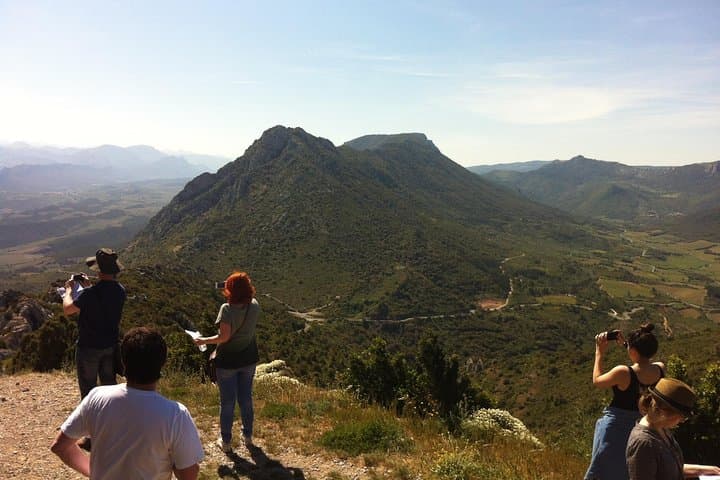
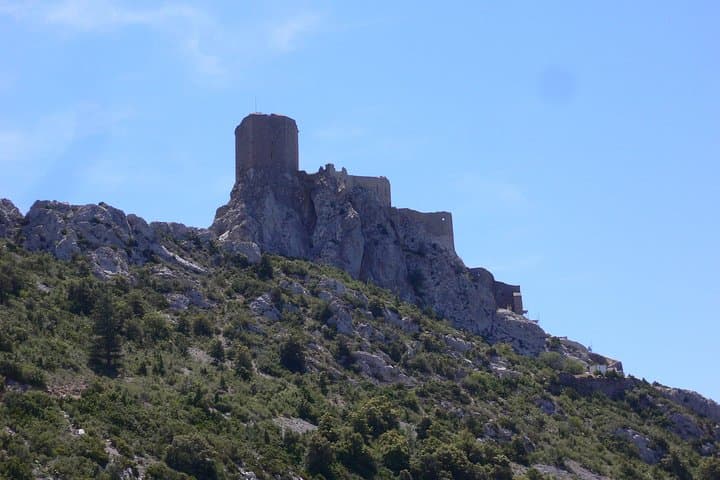
You leave Carcassonne as the road unfurls through scrub and vineyard, the wind pushing you toward limestone ridges that rise like old walls. By mid-morning the valley narrows and the ruined keeps appear, clinging to razorback crags: Quéribus first, perched on its summit where the air dares you to breathe full and look farther.
Verified experiences and guided adventures in the surrounding area.
Operated by Olivia Gotti · Cucugnan, Occitanie
You leave Carcassonne as the road unfurls through scrub and vineyard, the wind pushing you toward limestone ridges that rise like old walls. By mid-morning the valley narrows and the ruined keeps appear, clinging to razorback crags: Quéribus first, perched on its summit where the air dares you to breathe full and look farther.
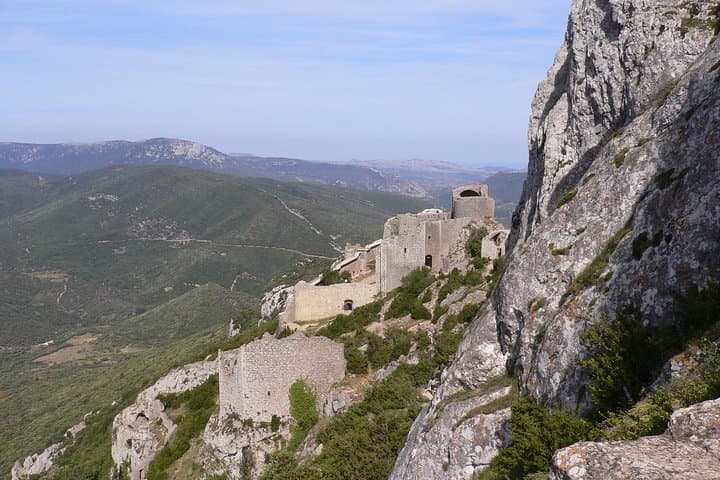
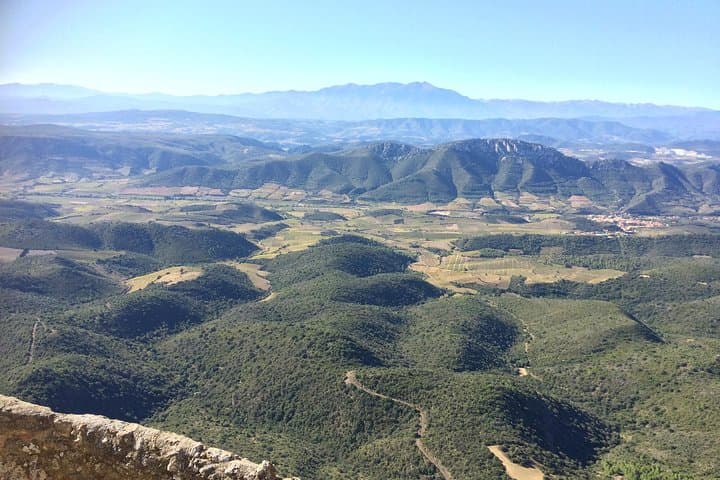
These sites are as much geological as historical. The Corbières are folded limestone and dolomite; the castles exploit natural scarps and steep approaches that made them defensible in the Middle Ages. Quéribus and Peyrepertuse figure in the story of the Cathars and the Albigensian Crusade—fortresses that shifted between local lords, the Counts of Barcelona and later the French crown—then lost strategic value when borders moved in the 17th century.
Between castles you stop in Cucugnan, a small village of medieval streets and a windmill above terraced vines, where local bread lore and dry-farmed vineyards reflect regional agricultural traditions.
Practical edge: this is a full-day active tour (roughly 9–10 hours) with climbs, rocky steps, and uneven paths; wear grippy walking shoes and bring at least 1.5–2 liters of water, sun protection, and a wind layer. Expect exposed ridge walking at both castles and short steep approaches—good balance and steady legs are required. The guide typically provides transport from Carcassonne in an air-conditioned vehicle and will time visits to avoid midday crowds where possible. Weather can change fast on the ridges—plan for wind and strong sun.
moderate.
9–10 hours.
Participants should be in good physical condition, comfortable with multiple short steep climbs and uneven terrain throughout the day.
The tour runs about 9–10 hours; departures are usually in the morning from Carcassonne with mid- to late-afternoon return.
It requires a good level of fitness due to steep, uneven climbs—children and less fit travelers should check with the operator about specific mobility limitations.
Admission to the castles is included in this tour’s itinerary items, but always confirm when booking as policies can change.
Yes—most operators can accommodate common dietary needs if informed at booking; specify restrictions when you reserve.
These fortresses played roles in the Cathar resistance and later border politics between Aragon and France; Peyrepertuse’s name comes from Occitan for ‘pierced rock.’
The sites are protected historic monuments with managed visitor paths—stay on trails to avoid erosion and respect local grazing lands and vineyards.
Olivia Gotti operates guided outdoor trips and adventures with an emphasis on safety, stewardship, and memorable experiences.
You leave Carcassonne as the road unfurls through scrub and vineyard, the wind pushing you toward limestone ridges that rise like old walls. By mid-morning the valley narrows and the ruined keeps appear, clinging to razorback crags: Quéribus first, perched on its summit where the air dares you to breathe full and look farther.
You leave Carcassonne as the road unfurls through scrub and vineyard, the wind pushing you toward limestone ridges that rise like old walls. By mid-morning the valley narrows and the ruined keeps appear, clinging to razorback crags: Quéribus first, perched on its summit where the air dares you to breathe full and look farther.
These sites are as much geological as historical. The Corbières are folded limestone and dolomite; the castles exploit natural scarps and steep approaches that made them defensible in the Middle Ages. Quéribus and Peyrepertuse figure in the story of the Cathars and the Albigensian Crusade—fortresses that shifted between local lords, the Counts of Barcelona and later the French crown—then lost strategic value when borders moved in the 17th century.
Between castles you stop in Cucugnan, a small village of medieval streets and a windmill above terraced vines, where local bread lore and dry-farmed vineyards reflect regional agricultural traditions.
Practical edge: this is a full-day active tour (roughly 9–10 hours) with climbs, rocky steps, and uneven paths; wear grippy walking shoes and bring at least 1.5–2 liters of water, sun protection, and a wind layer. Expect exposed ridge walking at both castles and short steep approaches—good balance and steady legs are required. The guide typically provides transport from Carcassonne in an air-conditioned vehicle and will time visits to avoid midday crowds where possible. Weather can change fast on the ridges—plan for wind and strong sun.