THE ADVENTURE COLLECTIVE® · Independent discovery and booking for outdoor travel

Spend a full day with a private Egyptologist exploring the Giza pyramids, the Great Sphinx, ancient Memphis and Saqqara’s Step Pyramid. This guided route combines close-up history, desert geology, and practical on-site tips for a comfortable, insightful visit.
Spend a full day with a private Egyptologist exploring the Giza pyramids, the Great Sphinx, ancient Memphis and Saqqara’s Step Pyramid. This guided route combines close-up history, desert geology, and practical on-site tips for a comfortable, insightful visit.
You step onto the Giza Plateau and the air seems to carry the weight of millennia—sand stirred by a steady wind, the stone faces of monuments holding their silence. The Great Pyramid rises, its blocks catching the sun like stacked steps of time, and the Sphinx watches the horizon as if guarding the desert's memory.
Verified experiences and guided adventures in the surrounding area.
Operated by Empire Travel · Cairo, Cairo Governorate
You step onto the Giza Plateau and the air seems to carry the weight of millennia—sand stirred by a steady wind, the stone faces of monuments holding their silence. The Great Pyramid rises, its blocks catching the sun like stacked steps of time, and the Sphinx watches the horizon as if guarding the desert's memory.
This route threads together key chapters of Egypt's ancient story. Giza's three major pyramids crown the Fourth Dynasty’s ambition; the Sphinx and the adjacent Valley Temple speak to royal ritual; Saqqara houses Djoser’s Step Pyramid—the world’s oldest large-scale stone construction—and Memphis preserves relics from when it was Egypt’s first capital. Geology here is simple and stark: limestone bedrock and wind-blown sand sculpt the plateau, while quarried stone from nearby cliffs became the bones of these monuments.
Culturally, a licensed Egyptologist will unpack funerary beliefs, construction theories, and the social organization that moved stone and labor across centuries. Expect close views rather than solitude—this is a popular, private but public landscape.
Practical guidance: start early to avoid midday heat, carry at least 1.5–2 liters of water, wear closed-toe shoes for uneven limestone and sandy paths, and bring a wide-brim hat and sunscreen—the sun is relentless. Photography is excellent in mid-morning and late afternoon light; interior access to pyramids can be restricted and varies by permit. Respect rope lines, follow your guide, and reserve a full day—5–8 hours—to absorb the sites without rush.
easy.
5–8 hours.
Moderate; able to walk 2–4 miles on uneven ground and climb short flights of stairs over the course of the day.
Yes—this private excursion includes entrance/admission fees for the Giza Plateau, the Sphinx area, Saqqara, and Memphis as listed by the operator.
Interior access to pyramids is controlled by Egyptian authorities and can be limited or require special permits; the tour includes standard site admissions but interior entry is subject to availability and may change.
Yes—private transportation and pickup from central Cairo hotels is typically included; confirm your specific pickup point when booking.
You can receive a full refund if you cancel at least 24 hours before departure; cancellations within 24 hours are not refundable per the operator's policy.
Memphis served as Egypt’s first capital and administrative center; Djoser’s Step Pyramid at Saqqara is the earliest large-scale stone building, marking a major innovation in Old Kingdom funerary architecture.
These monuments are fragile; stay behind barriers, avoid touching reliefs, and use licensed guides to minimize wear—tourist management and preservation efforts limit access to sensitive areas.
Empire Travel operates guided outdoor trips and adventures with an emphasis on safety, stewardship, and memorable experiences.
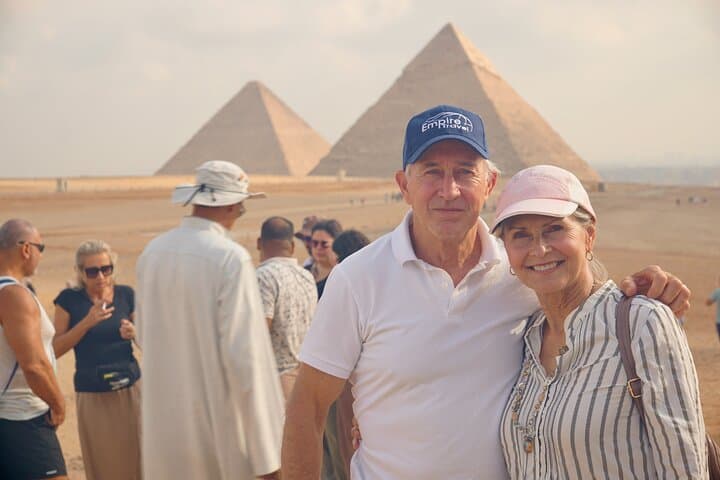
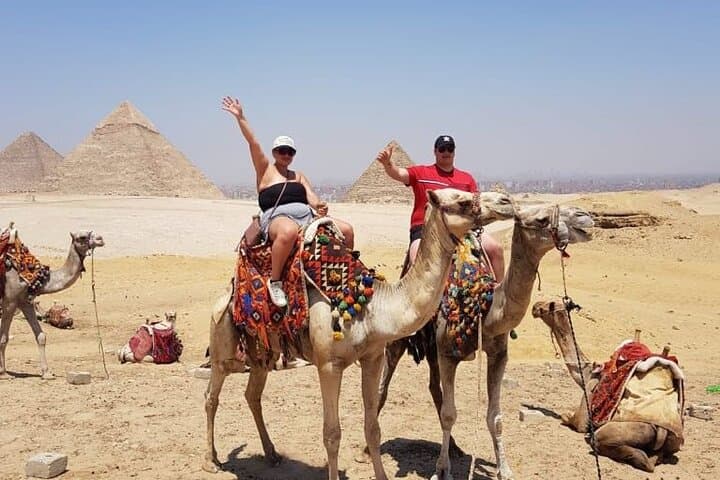
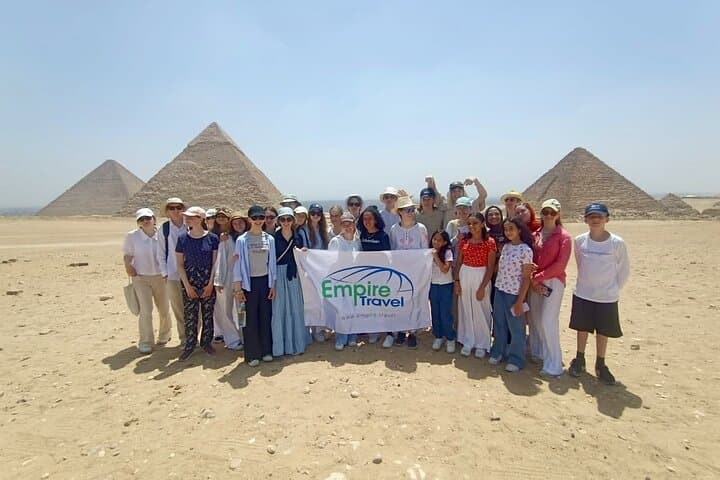
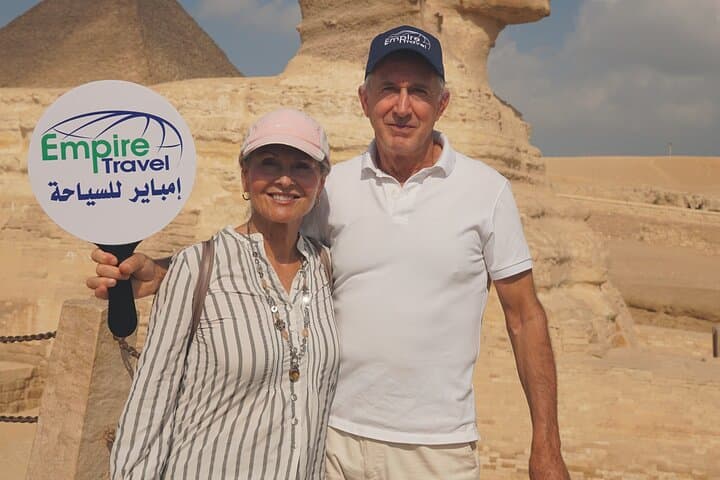
You step onto the Giza Plateau and the air seems to carry the weight of millennia—sand stirred by a steady wind, the stone faces of monuments holding their silence. The Great Pyramid rises, its blocks catching the sun like stacked steps of time, and the Sphinx watches the horizon as if guarding the desert's memory.
You step onto the Giza Plateau and the air seems to carry the weight of millennia—sand stirred by a steady wind, the stone faces of monuments holding their silence. The Great Pyramid rises, its blocks catching the sun like stacked steps of time, and the Sphinx watches the horizon as if guarding the desert's memory.
This route threads together key chapters of Egypt's ancient story. Giza's three major pyramids crown the Fourth Dynasty’s ambition; the Sphinx and the adjacent Valley Temple speak to royal ritual; Saqqara houses Djoser’s Step Pyramid—the world’s oldest large-scale stone construction—and Memphis preserves relics from when it was Egypt’s first capital. Geology here is simple and stark: limestone bedrock and wind-blown sand sculpt the plateau, while quarried stone from nearby cliffs became the bones of these monuments.
Culturally, a licensed Egyptologist will unpack funerary beliefs, construction theories, and the social organization that moved stone and labor across centuries. Expect close views rather than solitude—this is a popular, private but public landscape.
Practical guidance: start early to avoid midday heat, carry at least 1.5–2 liters of water, wear closed-toe shoes for uneven limestone and sandy paths, and bring a wide-brim hat and sunscreen—the sun is relentless. Photography is excellent in mid-morning and late afternoon light; interior access to pyramids can be restricted and varies by permit. Respect rope lines, follow your guide, and reserve a full day—5–8 hours—to absorb the sites without rush.