THE ADVENTURE COLLECTIVE® · Independent discovery and booking for outdoor travel

A guided, full-day private tour from Zadar puts you on the boardwalks and viewpoints of Plitvice Lakes National Park without the logistics hassle. Expect turquoise lakes, boat crossings, and 6–8 hours of walking across wooden paths and stone steps.
A guided, full-day private tour from Zadar puts you on the boardwalks and viewpoints of Plitvice Lakes National Park without the logistics hassle. Expect turquoise lakes, boat crossings, and 6–8 hours of walking across wooden paths and stone steps.
You step out of the air-conditioned vehicle and hit a boardwalk that curves over water so clear it seems to hold light itself. Mist from waterfalls cools your face as the guide points toward tiered travertine barriers that have been growing, inch by inch, for millennia. The sound of cascades dares you to stop and listen.
Verified experiences and guided adventures in the surrounding area.
Operated by Romeo&Juliet Excursions Zadar · Plitvička Jezera, Lika-Senj County
You step out of the air-conditioned vehicle and hit a boardwalk that curves over water so clear it seems to hold light itself. Mist from waterfalls cools your face as the guide points toward tiered travertine barriers that have been growing, inch by inch, for millennia. The sound of cascades dares you to stop and listen.
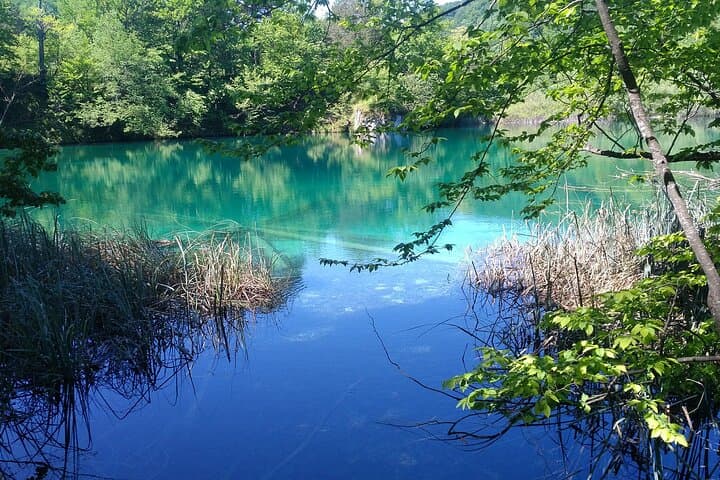
Plitvice Lakes National Park, established in 1949 and a UNESCO site since 1979, is a karst landscape shaped by limestone and tufa deposition. The system of 16 cascading lakes and dozens of falls occupies a valley carved by glacial and fluvial action; the geology explains the vivid turquoise tones and the fragile, porous dams that form the park’s walkways.
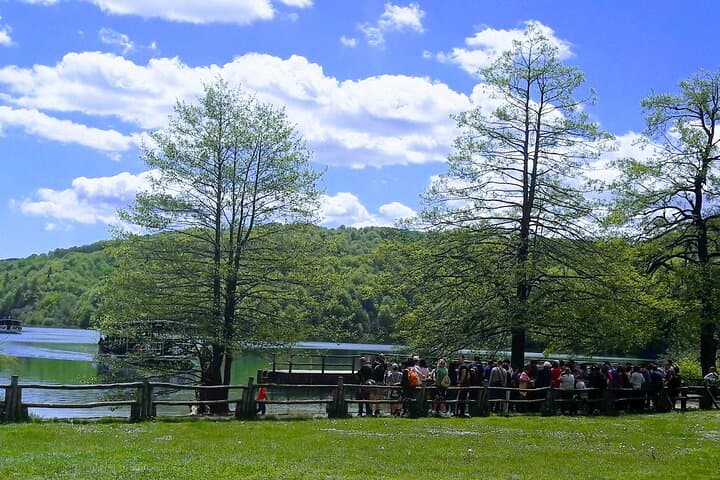
Local culture is quiet here — Lika shepherding traditions and woodcraft mark nearby villages — and the park’s management balances heavy visitation with protection of sensitive habitats. On a private full-day tour from Zadar you’ll cover the main circuits: lakeside boardwalks, the Kozjak boat crossing, and viewpoints above the Upper Lakes.
Expect 6–8 hours out, 8–15 km of walking depending on route, and modest elevation changes (roughly 100–300 m cumulative). Trails are mostly wooden and stone steps; wear grippy shoes and bring layers for changing microclimates. Hydrate, keep to marked paths, and carry cash or card for the park entrance if not included. Photography windows open early and late — for smaller crowds plan to move deliberately with your guide. The park is uncompromisingly beautiful and requires a little patience and respect in return.
moderate.
6–8 hours.
Moderate fitness: comfortable walking 8–15 km on uneven surfaces and stairs.
It depends on the booking; confirm with the operator—some private tours include entrance fees, others charge them separately.
Driving time is about 1 hour 45 minutes to 2 hours each way depending on traffic and the exact pickup point in Zadar.
Yes—operators commonly pick up at the port, but provide your ship’s arrival/departure times and allow ample transfer windows.
Children can handle many sections, but strollers are not practical on wooden boardwalks and steps; bring a child carrier for toddlers.
The park’s travertine dams formed over thousands of years; it became Croatia’s first national park in 1949 and joined UNESCO in 1979.
Stay on marked trails and never swim—both to protect the delicate tufa formations and to comply with park regulations; visitor numbers are managed seasonally to limit impact.
Romeo&Juliet Excursions Zadar operates guided outdoor trips and adventures with an emphasis on safety, stewardship, and memorable experiences.
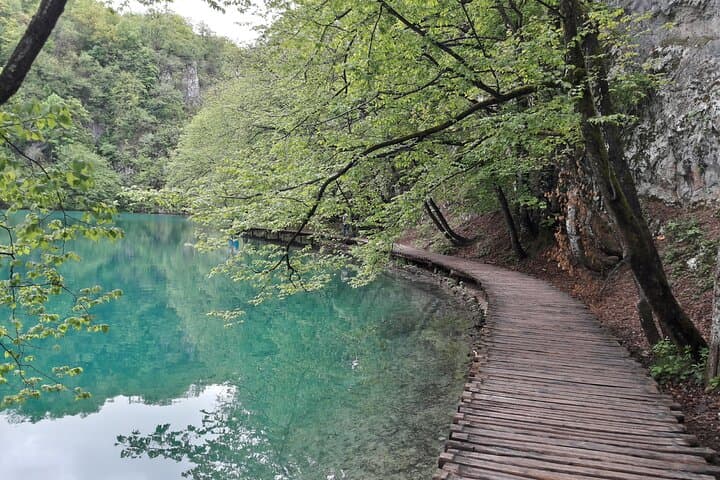
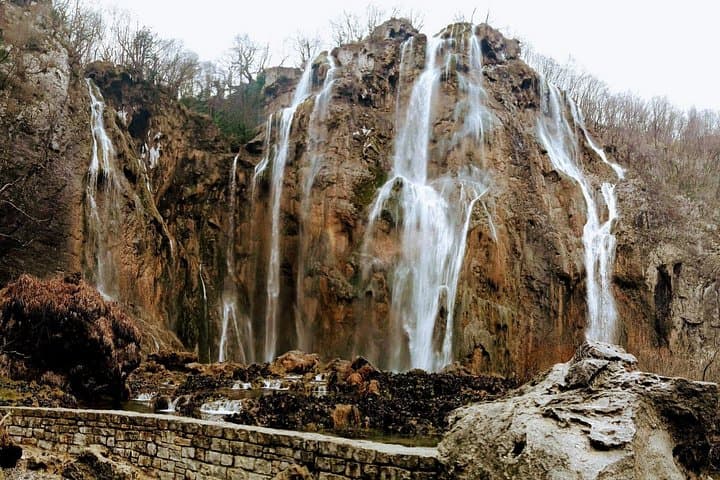
You step out of the air-conditioned vehicle and hit a boardwalk that curves over water so clear it seems to hold light itself. Mist from waterfalls cools your face as the guide points toward tiered travertine barriers that have been growing, inch by inch, for millennia. The sound of cascades dares you to stop and listen.
You step out of the air-conditioned vehicle and hit a boardwalk that curves over water so clear it seems to hold light itself. Mist from waterfalls cools your face as the guide points toward tiered travertine barriers that have been growing, inch by inch, for millennia. The sound of cascades dares you to stop and listen.
Plitvice Lakes National Park, established in 1949 and a UNESCO site since 1979, is a karst landscape shaped by limestone and tufa deposition. The system of 16 cascading lakes and dozens of falls occupies a valley carved by glacial and fluvial action; the geology explains the vivid turquoise tones and the fragile, porous dams that form the park’s walkways.
Local culture is quiet here — Lika shepherding traditions and woodcraft mark nearby villages — and the park’s management balances heavy visitation with protection of sensitive habitats. On a private full-day tour from Zadar you’ll cover the main circuits: lakeside boardwalks, the Kozjak boat crossing, and viewpoints above the Upper Lakes.
Expect 6–8 hours out, 8–15 km of walking depending on route, and modest elevation changes (roughly 100–300 m cumulative). Trails are mostly wooden and stone steps; wear grippy shoes and bring layers for changing microclimates. Hydrate, keep to marked paths, and carry cash or card for the park entrance if not included. Photography windows open early and late — for smaller crowds plan to move deliberately with your guide. The park is uncompromisingly beautiful and requires a little patience and respect in return.