THE ADVENTURE COLLECTIVE® · Independent discovery and booking for outdoor travel

A private 10-hour circuit from Tokyo that pairs Fuji’s definitive views with Hakone’s volcanic drama and lakeside calm. Expect curated stops, short walks, a cable car over Owakudani and easy access to Kawaguchiko and traditional villages.
A private 10-hour circuit from Tokyo that pairs Fuji’s definitive views with Hakone’s volcanic drama and lakeside calm. Expect curated stops, short walks, a cable car over Owakudani and easy access to Kawaguchiko and traditional villages.
You leave Tokyo before the city fully wakes, the highway folding open beneath the private vehicle as neighborhoods blur into rice fields and foothills. By midmorning the silhouette of Mount Fuji arrives: a precise cone, snow-capped and unblinking, that seems to command every frame it enters. The guide eases you into the day with context — geology first, then folklore — and the itinerary unfurls like a measured climb through the region's most compelling viewpoints.
Verified experiences and guided adventures in the surrounding area.
Operated by Sora Tours · Tokyo, Tokyo
You leave Tokyo before the city fully wakes, the highway folding open beneath the private vehicle as neighborhoods blur into rice fields and foothills. By midmorning the silhouette of Mount Fuji arrives: a precise cone, snow-capped and unblinking, that seems to command every frame it enters. The guide eases you into the day with context — geology first, then folklore — and the itinerary unfurls like a measured climb through the region's most compelling viewpoints.
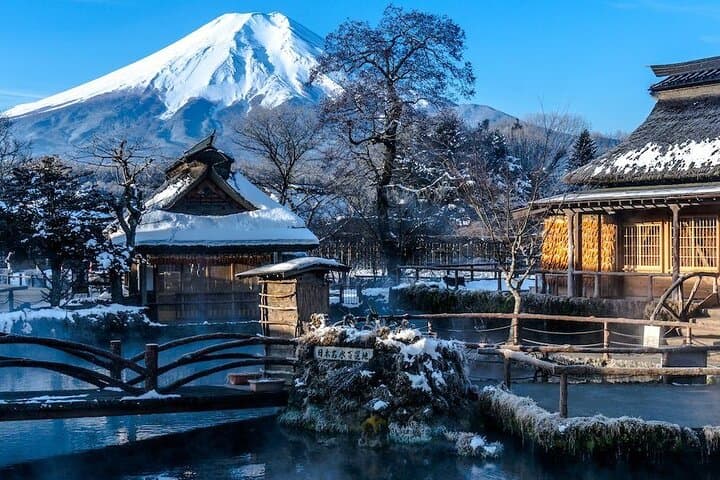
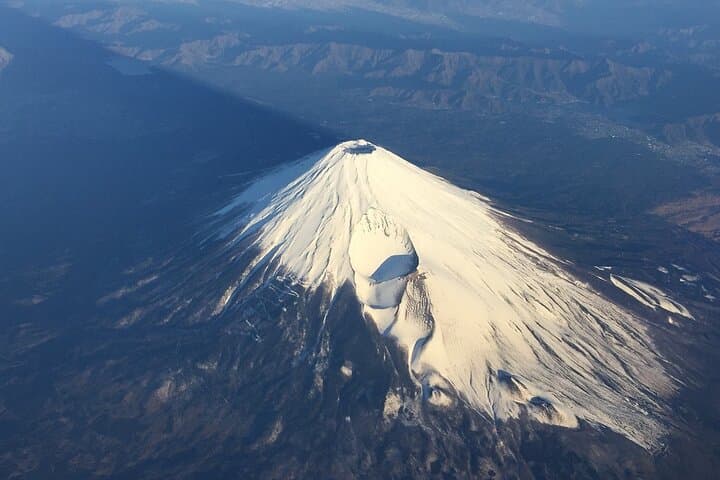
The route moves deliberately: a lakeside stroll on Ashi, a ropeway ascent above Owakudani's steaming vents, the placid ponds of Oshino Hakkai, and the offset symmetry of Chureito Pagoda. Mount Fuji itself is ever-present — a geological engine formed by stratified eruptions whose summit reaches 3,776 meters. Centuries of pilgrimage and artistic obsession have layered human meaning on that volcanic geometry; you’ll pass shrines where climbers once left offerings, and a pagoda framed against Fuji that photographers and pilgrims have favored since the late 19th century.
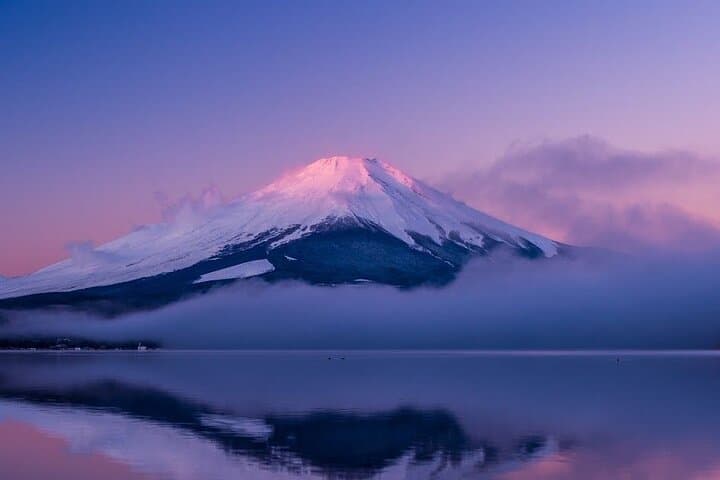
Owakudani, where the ground still exhales sulfur, gives you a tactile reminder that this landscape is alive. Vendors sell kuro-tamago — eggs boiled in mineral-rich steam that locals say add seven years to your life. Lake Ashi dares you to slow down; boats cut the water with languid purpose as cedar forests watch from the shore. In the Fuji Five Lakes area, Kawaguchiko presents classic reflections of the mountain, while Saiko Iyashi-no-Sato offers a quieter, reconstructed village where artisans teach pottery and calligraphy.
Practical edge: this is a 10-hour private tour with pickup and drop-off in Tokyo; expect roughly 2–2.5 hours of driving round-trip depending on traffic. The day includes short walks and a cable car ride at Owakudani — no technical climbing required. Weather shifts fast at higher elevations; visibility is best early in the day or on cold, clear afternoons.
Packing and pacing matter. Wear sturdy walking shoes for temple steps and gravel paths. Layer up: mornings are cool, midday can be humid, and lakeside breezes bring a chill. Bring a compact rain shell and a filterable water bottle; tap water in the region is excellent but hydration on the move is essential. If volcanic activity forces temporary closures (Owakudani occasionally restricts access), guides will reroute to Kawaguchiko viewpoints or local museums to maximize sightlines.
For photographers and culture seekers alike, this private itinerary balances place and practicality — curated access to the mountain’s best angles, cultural touchpoints that explain its grip on Japanese identity, and a pace that leaves room for quiet observation as much as spectacle.
moderate.
10 hours.
Suitable for travelers in average fitness who can manage short walks on uneven ground and multiple stairways.
Most admission fees and meals are not included unless specified; the tour covers transport, tolls and an English-speaking driver, but check the booking page for optional inclusions.
The tour lists wheelchair-accessible transportation, but some sites have steps or rough terrain — contact the operator to confirm accessible stop options.
Guides will reroute to alternate viewpoints, museums, or additional lakeside stops to ensure no loss of sightseeing time.
Expect roughly 2–2.5 hours each way on the expressway depending on traffic; the full experience is planned as a 10-hour day including pickup and drop-off.
Yes — this is a private tour and stops can be tailored within the 10-hour window; discuss priorities with the guide when booking.
Tipping is not required in Japan; small gestures for exceptional service are appreciated but not expected.
Mount Fuji has been a sacred site for Shinto and Buddhist pilgrims for centuries and inspired woodblock artists in the Edo period; nearby shrines served as pilgrimage gateways.
The Fuji region balances heavy visitation with strict trail and waste regulations; stick to marked paths, dispose of litter at designated points, and favor local businesses to support sustainable tourism.
Sora Tours operates guided outdoor trips and adventures with an emphasis on safety, stewardship, and memorable experiences.
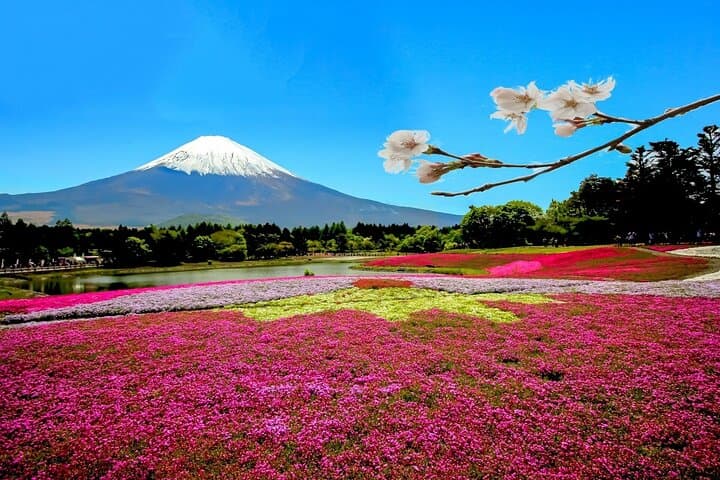
You leave Tokyo before the city fully wakes, the highway folding open beneath the private vehicle as neighborhoods blur into rice fields and foothills. By midmorning the silhouette of Mount Fuji arrives: a precise cone, snow-capped and unblinking, that seems to command every frame it enters. The guide eases you into the day with context — geology first, then folklore — and the itinerary unfurls like a measured climb through the region's most compelling viewpoints.
You leave Tokyo before the city fully wakes, the highway folding open beneath the private vehicle as neighborhoods blur into rice fields and foothills. By midmorning the silhouette of Mount Fuji arrives: a precise cone, snow-capped and unblinking, that seems to command every frame it enters. The guide eases you into the day with context — geology first, then folklore — and the itinerary unfurls like a measured climb through the region's most compelling viewpoints.
The route moves deliberately: a lakeside stroll on Ashi, a ropeway ascent above Owakudani's steaming vents, the placid ponds of Oshino Hakkai, and the offset symmetry of Chureito Pagoda. Mount Fuji itself is ever-present — a geological engine formed by stratified eruptions whose summit reaches 3,776 meters. Centuries of pilgrimage and artistic obsession have layered human meaning on that volcanic geometry; you’ll pass shrines where climbers once left offerings, and a pagoda framed against Fuji that photographers and pilgrims have favored since the late 19th century.
Owakudani, where the ground still exhales sulfur, gives you a tactile reminder that this landscape is alive. Vendors sell kuro-tamago — eggs boiled in mineral-rich steam that locals say add seven years to your life. Lake Ashi dares you to slow down; boats cut the water with languid purpose as cedar forests watch from the shore. In the Fuji Five Lakes area, Kawaguchiko presents classic reflections of the mountain, while Saiko Iyashi-no-Sato offers a quieter, reconstructed village where artisans teach pottery and calligraphy.
Practical edge: this is a 10-hour private tour with pickup and drop-off in Tokyo; expect roughly 2–2.5 hours of driving round-trip depending on traffic. The day includes short walks and a cable car ride at Owakudani — no technical climbing required. Weather shifts fast at higher elevations; visibility is best early in the day or on cold, clear afternoons.
Packing and pacing matter. Wear sturdy walking shoes for temple steps and gravel paths. Layer up: mornings are cool, midday can be humid, and lakeside breezes bring a chill. Bring a compact rain shell and a filterable water bottle; tap water in the region is excellent but hydration on the move is essential. If volcanic activity forces temporary closures (Owakudani occasionally restricts access), guides will reroute to Kawaguchiko viewpoints or local museums to maximize sightlines.
For photographers and culture seekers alike, this private itinerary balances place and practicality — curated access to the mountain’s best angles, cultural touchpoints that explain its grip on Japanese identity, and a pace that leaves room for quiet observation as much as spectacle.