THE ADVENTURE COLLECTIVE® · Independent discovery and booking for outdoor travel

See four iconic Scottish landmarks in one day—from the Forth bridges to Stirling Castle—on a private full-day tour from Edinburgh. Expect short walks, castle courtyards, and a driver-guide who strings history and landscape into a single, accessible route.
See four iconic Scottish landmarks in one day—from the Forth bridges to Stirling Castle—on a private full-day tour from Edinburgh. Expect short walks, castle courtyards, and a driver-guide who strings history and landscape into a single, accessible route.
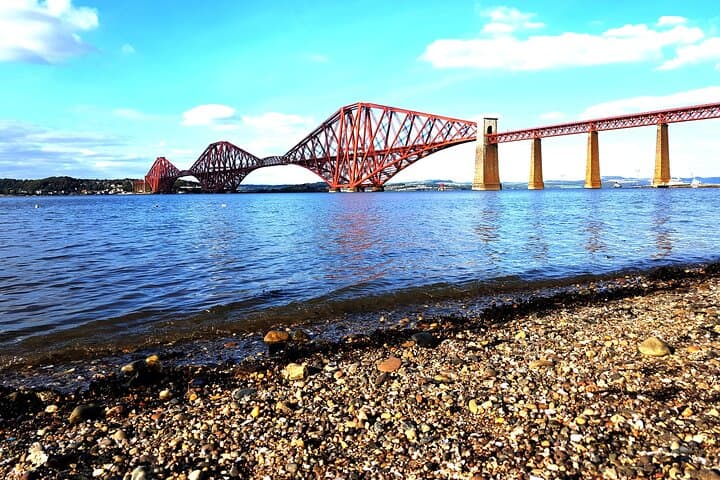
Morning light and the low, briny breath of the Firth of Forth set the tone as a driver-guide lifts you from central Edinburgh and into the quiet sweep of Lowland Scotland. The road skims the water; the three Forth bridges—Victorian steel, mid-century suspension, and modern cable-stayed—cut the horizon and warn you that engineering and history both demand attention.
Verified experiences and guided adventures in the surrounding area.
Operated by Ed Private Tours · Edinburgh, Scotland
Morning light and the low, briny breath of the Firth of Forth set the tone as a driver-guide lifts you from central Edinburgh and into the quiet sweep of Lowland Scotland. The road skims the water; the three Forth bridges—Victorian steel, mid-century suspension, and modern cable-stayed—cut the horizon and warn you that engineering and history both demand attention.
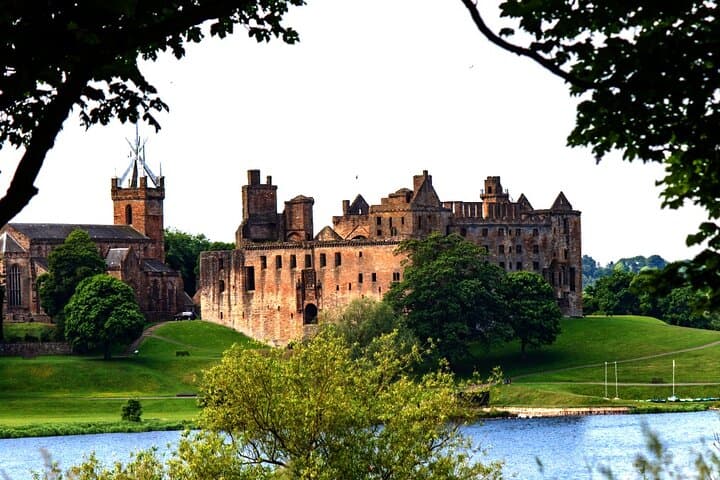
This one-day itinerary threads four landmarks into a single narrative: a shoreline stop to take in the Forth bridges, Linlithgow Palace’s ruined grandeur beside its loch, the compact menace of Blackness Castle, and Stirling Castle perched above a strategic gap in the hills. Geology here is simple and honest—Devonian sandstones and Carboniferous sills form low ridges and loch basins that shaped medieval routes and fortress sites. Culturally, these places map Scotland’s shifting centers of power from medieval kingship through early modern warfare: Stirling’s role in the Wars of Independence, Linlithgow as a royal birthplace, Blackness as fortress and prison.
Practically: expect a mostly seated drive with several moderate walks—stone staircases, uneven courtyards, and waterfront paths. Admission fees are typically extra; bring insulated layers, waterproofs, and comfortable walking shoes. Timing matters—arrive at Stirling early to avoid crowds and use quieter windows at Linlithgow for loch-side photos. Hydrate between stops, keep tickets and passports accessible, and listen to your guide for short historical context that unlocks each site’s significance. This tour is a compact, vivid way to turn Scotland’s past into a readable landscape.
moderate.
8 hours.
Moderate—able to walk on uneven stone surfaces and climb short flights of stairs several times during the day
Admission to Stirling, Linlithgow and Blackness is typically not included—check the booking page and bring payment or a Historic Scotland Explorer Pass.
The default pickup is in front of the West Register Office in central Edinburgh; your vehicle details are sent the day before.
Yes—children aged 5+ are welcome; booster seats are available and the pace can be adjusted for family groups.
Stops can be changed subject to traffic and opening hours—speak to your guide to prioritize specific sites.
Stirling Castle controlled a key crossing of the River Forth and frequently changed hands during the Wars of Scottish Independence; Linlithgow Palace was a principal royal residence and the birthplace of Mary, Queen of Scots.
Many sites are managed by Historic Environment Scotland—stick to marked paths, avoid climbing fragile walls, and follow site rules to preserve masonry and habitats.
Ed Private Tours operates guided outdoor trips and adventures with an emphasis on safety, stewardship, and memorable experiences.


Morning light and the low, briny breath of the Firth of Forth set the tone as a driver-guide lifts you from central Edinburgh and into the quiet sweep of Lowland Scotland. The road skims the water; the three Forth bridges—Victorian steel, mid-century suspension, and modern cable-stayed—cut the horizon and warn you that engineering and history both demand attention.
Morning light and the low, briny breath of the Firth of Forth set the tone as a driver-guide lifts you from central Edinburgh and into the quiet sweep of Lowland Scotland. The road skims the water; the three Forth bridges—Victorian steel, mid-century suspension, and modern cable-stayed—cut the horizon and warn you that engineering and history both demand attention.
This one-day itinerary threads four landmarks into a single narrative: a shoreline stop to take in the Forth bridges, Linlithgow Palace’s ruined grandeur beside its loch, the compact menace of Blackness Castle, and Stirling Castle perched above a strategic gap in the hills. Geology here is simple and honest—Devonian sandstones and Carboniferous sills form low ridges and loch basins that shaped medieval routes and fortress sites. Culturally, these places map Scotland’s shifting centers of power from medieval kingship through early modern warfare: Stirling’s role in the Wars of Independence, Linlithgow as a royal birthplace, Blackness as fortress and prison.
Practically: expect a mostly seated drive with several moderate walks—stone staircases, uneven courtyards, and waterfront paths. Admission fees are typically extra; bring insulated layers, waterproofs, and comfortable walking shoes. Timing matters—arrive at Stirling early to avoid crowds and use quieter windows at Linlithgow for loch-side photos. Hydrate between stops, keep tickets and passports accessible, and listen to your guide for short historical context that unlocks each site’s significance. This tour is a compact, vivid way to turn Scotland’s past into a readable landscape.