THE ADVENTURE COLLECTIVE® · Independent discovery and booking for outdoor travel

Explore the Pyramids of Giza and the newly opened sections of the Grand Egyptian Museum on a full-day private tour with lunch. Expect guided access to major sites, panoramic photo stops, and practical on-site advice to navigate security and optional experiences.
Explore the Pyramids of Giza and the newly opened sections of the Grand Egyptian Museum on a full-day private tour with lunch. Expect guided access to major sites, panoramic photo stops, and practical on-site advice to navigate security and optional experiences.
You step from an air‑conditioned van onto sun-warmed limestone and the scale of the Giza Plateau asserts itself: three geometric giants rise from the desert, their angled faces catching light and throwing long shadows across packed sand.
Verified experiences and guided adventures in the surrounding area.
Operated by Egypt Tours Planner · Giza, Giza Governorate
You step from an air‑conditioned van onto sun-warmed limestone and the scale of the Giza Plateau asserts itself: three geometric giants rise from the desert, their angled faces catching light and throwing long shadows across packed sand.
Start at the Pyramids of Giza—Khufu (Cheops), Khafre (Chephren) and Menkaure (Mykerinos)—where the Great Pyramid, the oldest surviving of the Seven Wonders, dominates the skyline. Stones quarried from nearby ridges and set millimeter-by-millimeter created chambers that still confound architects today. Below, the Great Sphinx keeps watch; its weathered face and the adjacent Valley Temple recall funerary rites that fixed pharaohs to the Nile’s seasonal rhythms.
Later, the Grand Egyptian Museum (GEM) offers a modern counterpoint: expansive galleries that present artifacts, conservation labs, and a new architectural stage for ancient objects. The museum is opening galleries in phases; major Tutankhamun displays remain restricted while core halls and the grand staircase are accessible.
Practical guidance: this is a full-day outing (about 7–8 hours) with moderate walking on uneven stone and sand. Carry ID for ticketing and security checks; optional entry into the Khufu pyramid incurs an extra fee and requires good mobility. Sun protection, steady hydration, and closed-toe walking shoes make the day comfortable. Aim for early morning or late afternoon light for photography and cooler temperatures. Expect checkpoints and straightforward security procedures; local guides handle logistics and provide historical context, making the route efficient and richer in detail.
easy.
7–8 hours.
Suitable for all fitness levels but requires standing and walking on uneven surfaces for several hours.
Standard entry to the Giza Plateau and the open GEM galleries is included; optional special access (such as going inside the Great Pyramid) may require an extra fee.
The tour runs about 7–8 hours with several hours of walking at sites, including uneven terrain and steps; it’s suitable for most fitness levels.
The GEM is opening in phases—major galleries, the Grand Hall and several new galleries are open, while some exhibits, like the full Tutankhamun galleries, may remain restricted.
This private tour typically offers pickup from hotels in central Cairo/Giza and can accommodate dietary needs if informed at booking; confirm specifics with the operator.
The Giza monuments date to Egypt’s Fourth Dynasty (c. 2600–2500 BCE), built as complex funerary landscapes tied to Nile cycles and royal cults.
Both the plateau and the GEM prioritize artifact conservation and visitor management; stick to designated paths and avoid touching stonework to limit wear.
Egypt Tours Planner operates guided outdoor trips and adventures with an emphasis on safety, stewardship, and memorable experiences.
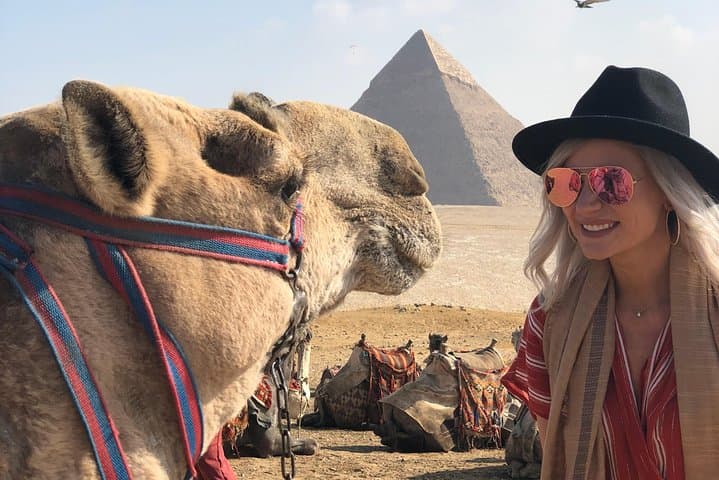
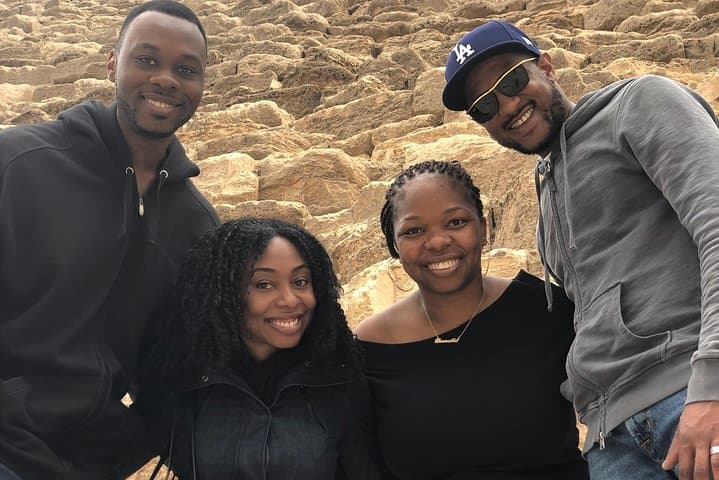
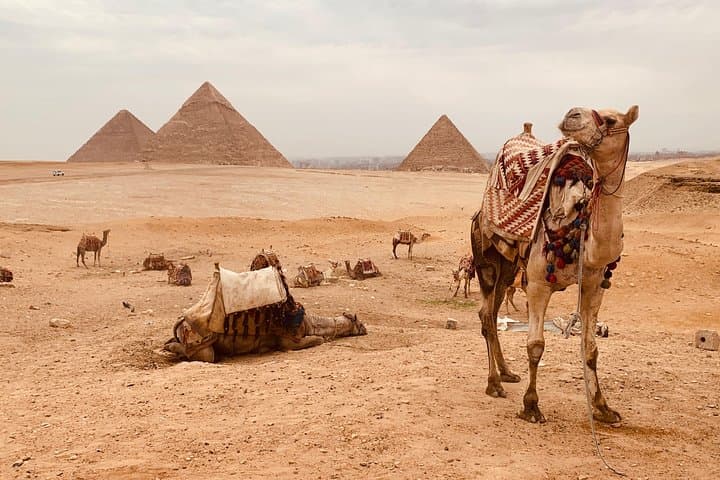
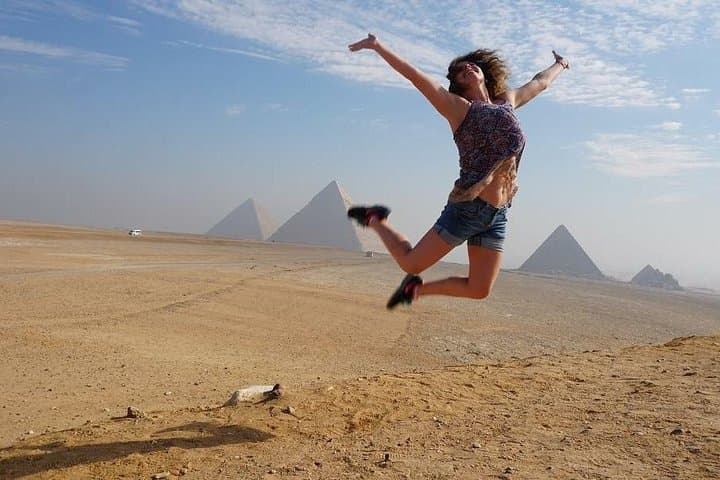
You step from an air‑conditioned van onto sun-warmed limestone and the scale of the Giza Plateau asserts itself: three geometric giants rise from the desert, their angled faces catching light and throwing long shadows across packed sand.
You step from an air‑conditioned van onto sun-warmed limestone and the scale of the Giza Plateau asserts itself: three geometric giants rise from the desert, their angled faces catching light and throwing long shadows across packed sand.
Start at the Pyramids of Giza—Khufu (Cheops), Khafre (Chephren) and Menkaure (Mykerinos)—where the Great Pyramid, the oldest surviving of the Seven Wonders, dominates the skyline. Stones quarried from nearby ridges and set millimeter-by-millimeter created chambers that still confound architects today. Below, the Great Sphinx keeps watch; its weathered face and the adjacent Valley Temple recall funerary rites that fixed pharaohs to the Nile’s seasonal rhythms.
Later, the Grand Egyptian Museum (GEM) offers a modern counterpoint: expansive galleries that present artifacts, conservation labs, and a new architectural stage for ancient objects. The museum is opening galleries in phases; major Tutankhamun displays remain restricted while core halls and the grand staircase are accessible.
Practical guidance: this is a full-day outing (about 7–8 hours) with moderate walking on uneven stone and sand. Carry ID for ticketing and security checks; optional entry into the Khufu pyramid incurs an extra fee and requires good mobility. Sun protection, steady hydration, and closed-toe walking shoes make the day comfortable. Aim for early morning or late afternoon light for photography and cooler temperatures. Expect checkpoints and straightforward security procedures; local guides handle logistics and provide historical context, making the route efficient and richer in detail.