THE ADVENTURE COLLECTIVE® · Independent discovery and booking for outdoor travel

Cover four iconic Balkan sites in one day with a private driver-guide. From Split’s Roman palace to Mostar’s rebuilt Old Bridge and Kotor’s Venetian walls, expect long drives, short walks, and a history-rich itinerary — perfect for time‑pressed travelers.
Cover four iconic Balkan sites in one day with a private driver-guide. From Split’s Roman palace to Mostar’s rebuilt Old Bridge and Kotor’s Venetian walls, expect long drives, short walks, and a history-rich itinerary — perfect for time‑pressed travelers.
A pre-dawn stretch of highway and the Adriatic yawns open beside you — sea silvering on one side, limestone ridges rising on the other. In a single day this private road trip threads Roman stone, Venetian ramparts and Ottoman bazaars, moving from Dubrovnik’s coast into the dramatic karst of Montenegro, across Bosnia’s river-carved towns and into Split’s Roman heart.
Verified experiences and guided adventures in the surrounding area.
Operated by Select Dubrovnik d.o.o · Dubrovnik, Dubrovnik-Neretva County
A pre-dawn stretch of highway and the Adriatic yawns open beside you — sea silvering on one side, limestone ridges rising on the other. In a single day this private road trip threads Roman stone, Venetian ramparts and Ottoman bazaars, moving from Dubrovnik’s coast into the dramatic karst of Montenegro, across Bosnia’s river-carved towns and into Split’s Roman heart.
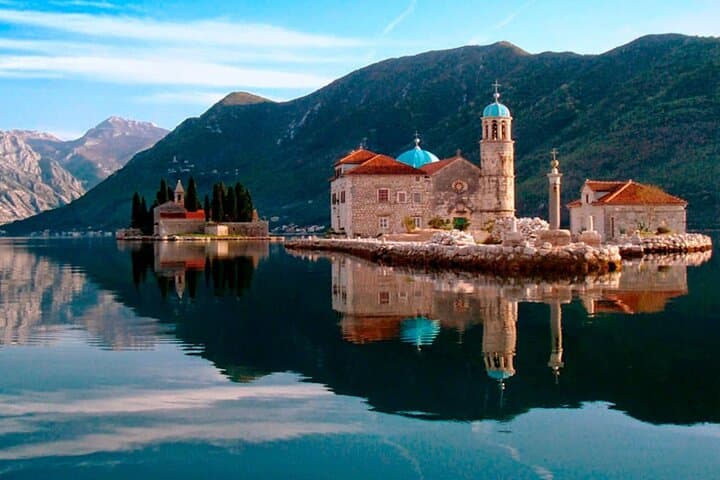
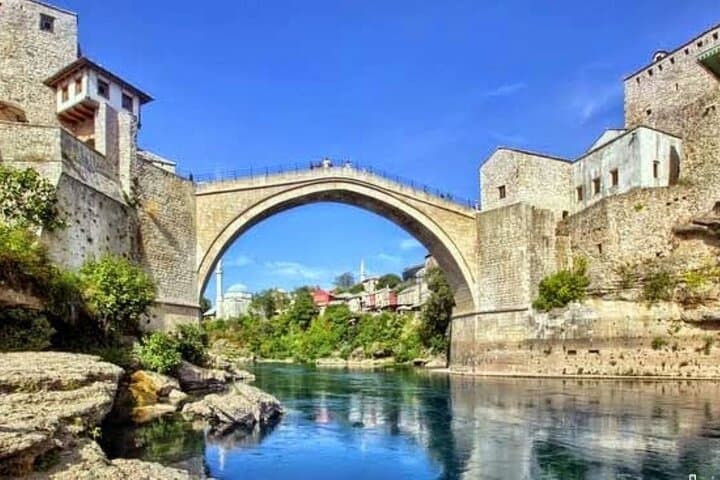
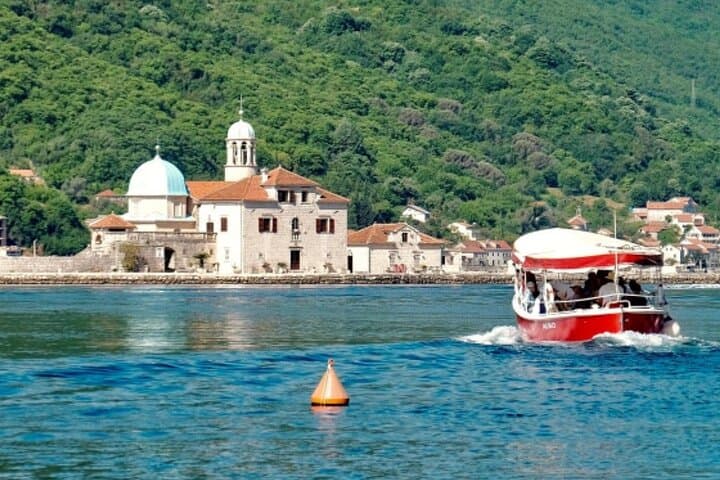
History here is layered: Diocletian’s palace in Split speaks to imperial Rome, Kotor’s walls were shaped by Byzantine and Venetian strategists, Mostar’s rebuilt Stari Most bridges Ottoman and Mediterranean crafts, and Sarajevo’s Baščaršija keeps Ottoman craft traditions alive. Geologically the route follows the Dinaric Alps — karst limestone that creates sheer cliffs, narrow gorges and coastal fjord-like bays.
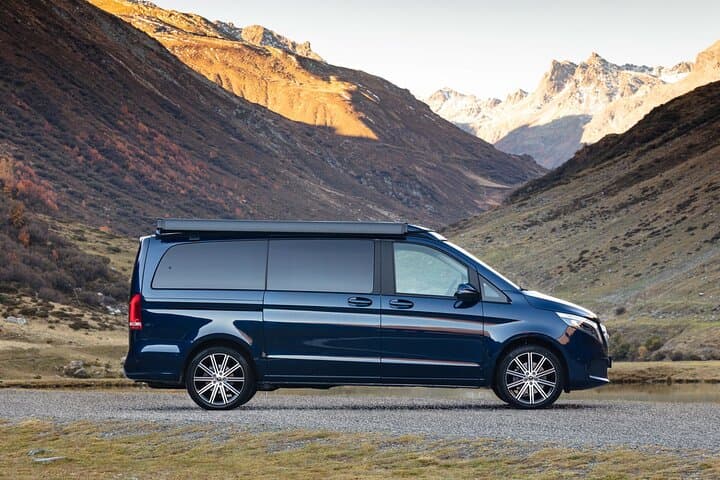
Expect a long but comfortable day: private vehicle with A/C, a professional driver-guide, and short guided walks at key sites (Old Bridge, Kotor ramparts, Diocletian’s palace, Sarajevo’s bazaar). Border crossings between Croatia, Montenegro and Bosnia require passports; allow extra time for immigration.
Practical edge: start early to avoid mid-day crowds, bring layered clothing for coastal breezes and inland chill, and carry water and snacks for gaps between stops. Wear sturdy walking shoes for cobbled streets and uneven stone steps; many sites have steep climbs and limited shade. Currency varies — euros are widely used in Montenegro and Croatia; Bosnia uses the convertible mark (BAM) — and cards are accepted in larger towns but smaller vendors may take cash only.
This itinerary delivers compact history, cinematic coastal vistas and intimate cultural encounters — ideal for travelers who want maximum regional exposure with minimal logistics stress.
moderate.
8–12 hours.
Light to moderate fitness: comfortable sitting for long drives and able to walk 30–60 minutes at a time over uneven surfaces.
Yes — the itinerary crosses international borders (Croatia, Montenegro, Bosnia and Herzegovina); carry your passport and check visa requirements for your nationality.
Each stop includes short guided walks (typically 30–90 minutes) across cobbled streets, stairways and ramparts; the tour is not strenuous but requires mobility on uneven surfaces.
Yes — the schedule includes stops for lunch and restrooms in towns; bring cash for small eateries in smaller towns.
As a private tour it’s often flexible — confirm options and timing with the operator at booking to tailor stops or extend time in a favorite town.
The route compresses centuries of contact between Roman, Venetian and Ottoman cultures — fortresses and marketplaces reveal shifting trade and strategic routes along the Adriatic and Dinaric spine.
Many historic centers are UNESCO-protected and sensitive to visitor pressure; stick to marked paths, avoid touching ancient stonework and favor local businesses to support community stewardship.
Select Dubrovnik d.o.o operates guided outdoor trips and adventures with an emphasis on safety, stewardship, and memorable experiences.
A pre-dawn stretch of highway and the Adriatic yawns open beside you — sea silvering on one side, limestone ridges rising on the other. In a single day this private road trip threads Roman stone, Venetian ramparts and Ottoman bazaars, moving from Dubrovnik’s coast into the dramatic karst of Montenegro, across Bosnia’s river-carved towns and into Split’s Roman heart.
A pre-dawn stretch of highway and the Adriatic yawns open beside you — sea silvering on one side, limestone ridges rising on the other. In a single day this private road trip threads Roman stone, Venetian ramparts and Ottoman bazaars, moving from Dubrovnik’s coast into the dramatic karst of Montenegro, across Bosnia’s river-carved towns and into Split’s Roman heart.
History here is layered: Diocletian’s palace in Split speaks to imperial Rome, Kotor’s walls were shaped by Byzantine and Venetian strategists, Mostar’s rebuilt Stari Most bridges Ottoman and Mediterranean crafts, and Sarajevo’s Baščaršija keeps Ottoman craft traditions alive. Geologically the route follows the Dinaric Alps — karst limestone that creates sheer cliffs, narrow gorges and coastal fjord-like bays.
Expect a long but comfortable day: private vehicle with A/C, a professional driver-guide, and short guided walks at key sites (Old Bridge, Kotor ramparts, Diocletian’s palace, Sarajevo’s bazaar). Border crossings between Croatia, Montenegro and Bosnia require passports; allow extra time for immigration.
Practical edge: start early to avoid mid-day crowds, bring layered clothing for coastal breezes and inland chill, and carry water and snacks for gaps between stops. Wear sturdy walking shoes for cobbled streets and uneven stone steps; many sites have steep climbs and limited shade. Currency varies — euros are widely used in Montenegro and Croatia; Bosnia uses the convertible mark (BAM) — and cards are accepted in larger towns but smaller vendors may take cash only.
This itinerary delivers compact history, cinematic coastal vistas and intimate cultural encounters — ideal for travelers who want maximum regional exposure with minimal logistics stress.