THE ADVENTURE COLLECTIVE® · Independent discovery and booking for outdoor travel

Spend a full day north of Amman exploring Jerash’s ruined colonnades, Ajloun’s hilltop castle and the dramatic overlooks of Umm Qais. This private tour mixes well-preserved antiquity, wooded highlands and sweeping valley views with a local meal off the tourist trail.
Spend a full day north of Amman exploring Jerash’s ruined colonnades, Ajloun’s hilltop castle and the dramatic overlooks of Umm Qais. This private tour mixes well-preserved antiquity, wooded highlands and sweeping valley views with a local meal off the tourist trail.
Dust and cedar scent hang in the air as the minivan peels out of Amman at first light, the highway unfurling north toward ruins and forested hills. By midmorning the columns of Jerash rise from the plain—rows of Ionic and Corinthian stone that still catch the sun and demand a measured, slow walk. Later, the road climbs into Ajloun’s green slopes where a 12th-century Ayyubid castle keeps watch over terraced olive groves. The day finishes at Umm Qais (ancient Gadara), where basalt theatres and a cardo open onto a wide view of the Sea of Galilee and the Yarmouk Valley.
Verified experiences and guided adventures in the surrounding area.
Operated by Alamal Travel &Tourism · Amman, Amman Governorate
Dust and cedar scent hang in the air as the minivan peels out of Amman at first light, the highway unfurling north toward ruins and forested hills. By midmorning the columns of Jerash rise from the plain—rows of Ionic and Corinthian stone that still catch the sun and demand a measured, slow walk. Later, the road climbs into Ajloun’s green slopes where a 12th-century Ayyubid castle keeps watch over terraced olive groves. The day finishes at Umm Qais (ancient Gadara), where basalt theatres and a cardo open onto a wide view of the Sea of Galilee and the Yarmouk Valley.
Geology here shifts quickly: limestone terraces give way to patches of basalt near Umm Qais, and the highland oak and pine of Ajloun show why this corner of Jordan supports different microclimates. Culturally the route threads Hellenistic and Roman urbanism through Crusader-era defenses and contemporary village life—expect roadside stands selling flatbreads and fresh labneh.
Practical guidance: this is a long day of short walks and stair-climbs—bring sturdy shoes and sun protection, and schedule visits early or late in the day to avoid peak heat. Entrance fees are typically paid on-site; verify if the tour covers tickets. Wear layers for the higher elevations around Ajloun and allow time for an unhurried lunch in a local family-run restaurant. Hydrate frequently—the Jordanian sun is unrelenting even when the breeze feels cool. Stick to marked paths at archaeological sites and respect restricted areas to help preserve these fragile ruins.
moderate.
9–10 hours.
Suitable for travelers who can walk short uneven trails and climb stairs repeatedly over a long day; basic stamina required.
This tour lists tickets as optional; confirm at booking whether archaeological site entrance fees are covered or payable on-site.
Expect multiple short walks and stair climbs at each site—Jerash has long colonnaded streets, Ajloun involves uphill steps, and Umm Qais requires moderate walking between ruins.
Yes, the tour is private; most operators will adjust pacing and stop durations within the full-day schedule.
The tour is suitable for a wide range of ages but not recommended for those with serious spinal issues; discuss mobility needs with the operator beforehand.
Jerash is one of the best-preserved Roman cities in the region; Ajloun Castle is a 12th-century Ayyubid fortress, and Umm Qais (Gadara) was an important Hellenistic city overlooking the Decapolis plain.
These archaeological sites are fragile—stick to marked routes, avoid climbing on ruins, and support local conservation by using licensed guides and local eateries.
Alamal Travel &Tourism operates guided outdoor trips and adventures with an emphasis on safety, stewardship, and memorable experiences.
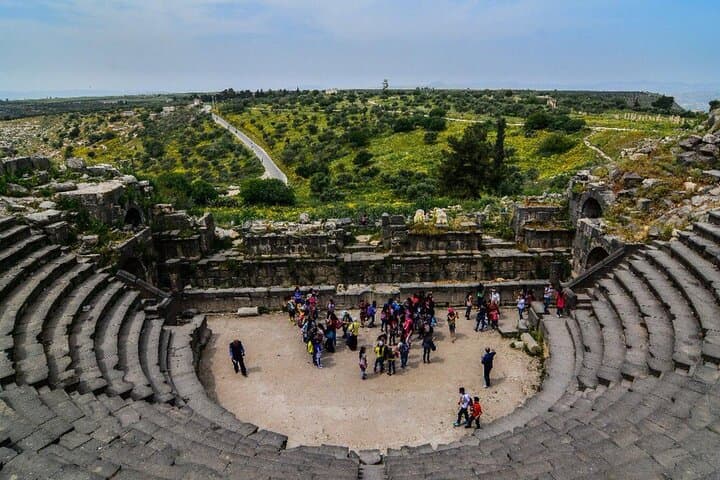
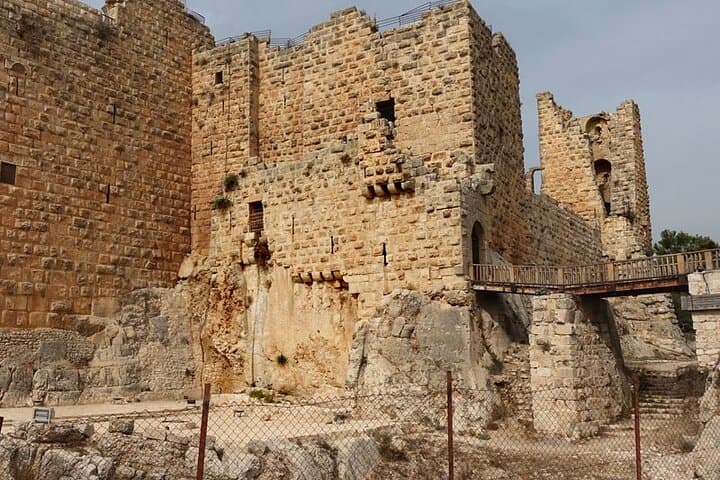
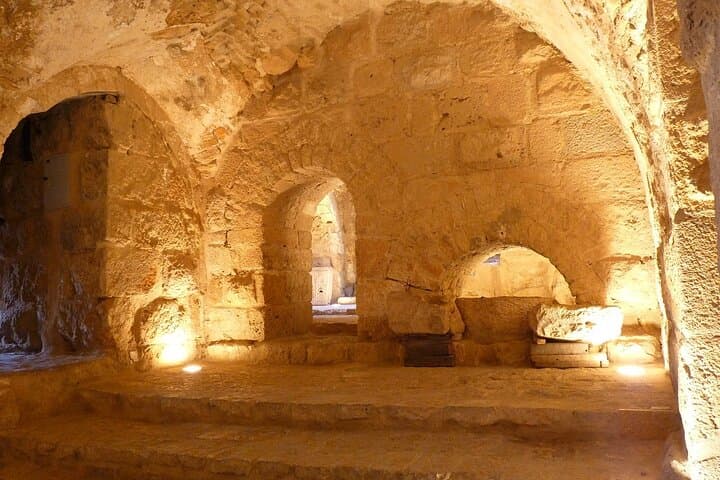
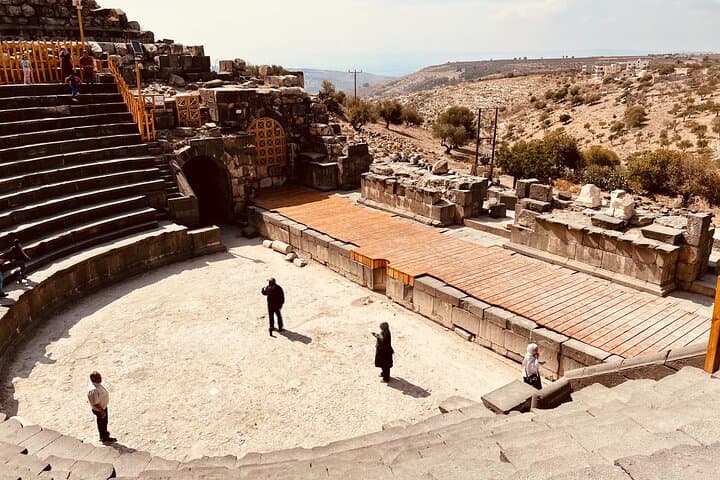
Dust and cedar scent hang in the air as the minivan peels out of Amman at first light, the highway unfurling north toward ruins and forested hills. By midmorning the columns of Jerash rise from the plain—rows of Ionic and Corinthian stone that still catch the sun and demand a measured, slow walk. Later, the road climbs into Ajloun’s green slopes where a 12th-century Ayyubid castle keeps watch over terraced olive groves. The day finishes at Umm Qais (ancient Gadara), where basalt theatres and a cardo open onto a wide view of the Sea of Galilee and the Yarmouk Valley.
Dust and cedar scent hang in the air as the minivan peels out of Amman at first light, the highway unfurling north toward ruins and forested hills. By midmorning the columns of Jerash rise from the plain—rows of Ionic and Corinthian stone that still catch the sun and demand a measured, slow walk. Later, the road climbs into Ajloun’s green slopes where a 12th-century Ayyubid castle keeps watch over terraced olive groves. The day finishes at Umm Qais (ancient Gadara), where basalt theatres and a cardo open onto a wide view of the Sea of Galilee and the Yarmouk Valley.
Geology here shifts quickly: limestone terraces give way to patches of basalt near Umm Qais, and the highland oak and pine of Ajloun show why this corner of Jordan supports different microclimates. Culturally the route threads Hellenistic and Roman urbanism through Crusader-era defenses and contemporary village life—expect roadside stands selling flatbreads and fresh labneh.
Practical guidance: this is a long day of short walks and stair-climbs—bring sturdy shoes and sun protection, and schedule visits early or late in the day to avoid peak heat. Entrance fees are typically paid on-site; verify if the tour covers tickets. Wear layers for the higher elevations around Ajloun and allow time for an unhurried lunch in a local family-run restaurant. Hydrate frequently—the Jordanian sun is unrelenting even when the breeze feels cool. Stick to marked paths at archaeological sites and respect restricted areas to help preserve these fragile ruins.