THE ADVENTURE COLLECTIVE® · Independent discovery and booking for outdoor travel

See Baalbek’s colossal Roman temples, taste wines at Château Ksara, and hike a short cedar ridge—all in a single private day trip from Beirut. This guided excursion blends archaeology, viticulture and mountain scenery with practical logistics handled for you.
See Baalbek’s colossal Roman temples, taste wines at Château Ksara, and hike a short cedar ridge—all in a single private day trip from Beirut. This guided excursion blends archaeology, viticulture and mountain scenery with practical logistics handled for you.
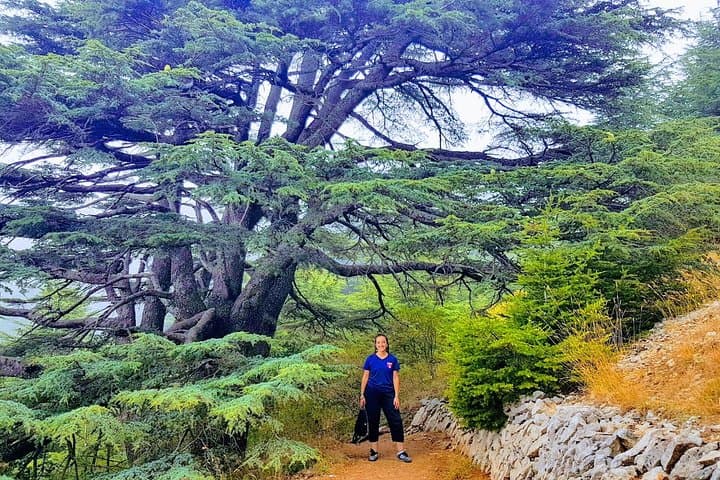
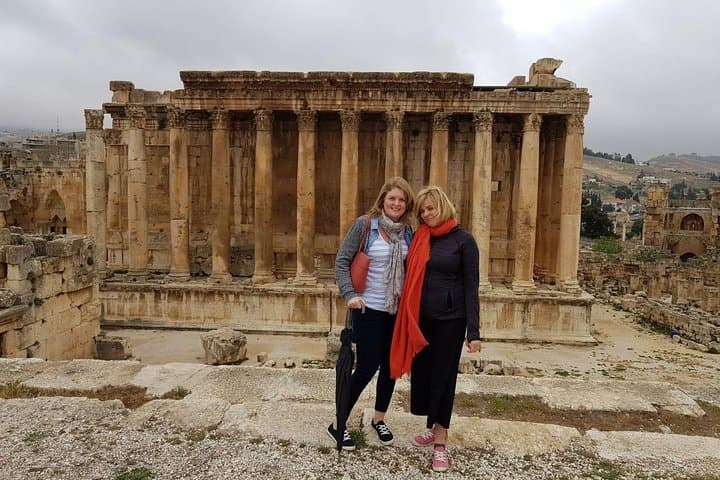
Morning light splits across the Bekaa as a private van peels away from Beirut and the road climbs toward the ancient ruins of Baalbek. Stones the size of houses hold a hush; the air tastes of dust and sun. After tracing the colonnades of the Temple of Bacchus and the hulking platform of the Temple of Jupiter at 1,150 m, the route slips into vineyard country and eventually up to the high cedar groves where wind pushes through old trunks.
Verified experiences and guided adventures in the surrounding area.
Operated by Lebanon Tours & travels · Baalbek, Beqaa Governorate
Morning light splits across the Bekaa as a private van peels away from Beirut and the road climbs toward the ancient ruins of Baalbek. Stones the size of houses hold a hush; the air tastes of dust and sun. After tracing the colonnades of the Temple of Bacchus and the hulking platform of the Temple of Jupiter at 1,150 m, the route slips into vineyard country and eventually up to the high cedar groves where wind pushes through old trunks.
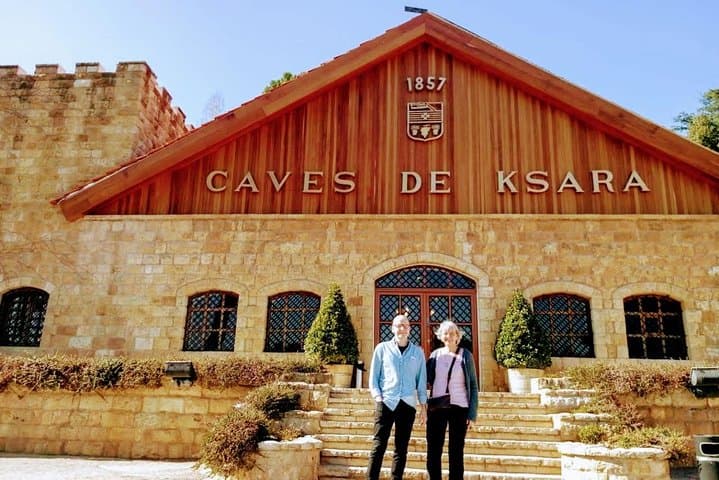
Baalbek began as a Phoenician sanctuary later called Heliopolis in Hellenistic times and became a showcase of Imperial Roman architecture; it was inscribed as a UNESCO World Heritage Site in 1984. Château Ksara, founded by Jesuit priests in 1857, introduced dry table wines to Lebanon and stores vintages in cool, stone cellars carved into the hill. The Maaser sector of the Al-Shouf Cedar Nature Reserve sits on Barouk’s slopes and is part of Lebanon’s largest protected green area and a UNESCO biosphere reserve.
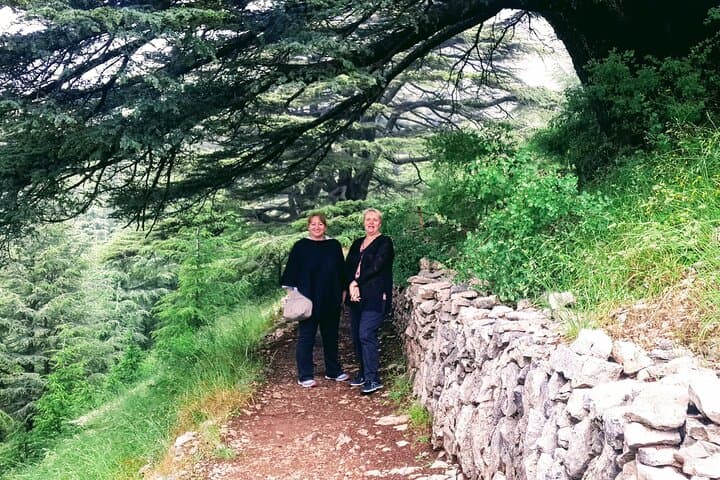
Expect a day of contrast: monumental archaeology, hands-on winery tasting and a short mountain-top walk through cedar stands with panoramic views. Terrain is mostly paved driving with brief, easy walks and one moderate uphill section at the cedar grove. Practicalities: start early from Beirut, bring sun protection and water, and budget time for traffic and winery queues. Guides typically handle logistics and local introductions, leaving you to focus on the ruins, the wine, and the cedars that still stand against the wind.
easy.
9 hours.
Suitable for most fitness levels; involves long periods in vehicle with short walks and one moderate uphill section at the cedar site.
Most tour prices do not include official site entrance fees or winery tasting fees; your guide will advise and handle payments on site when required.
Expect roughly 3–4 hours of driving round trip from Beirut depending on traffic, with stops at Baalbek, Château Ksara and the Maaser cedar area within a 9‑hour itinerary.
Yes—this is a low-impact day with vehicle transfers and short walks; travelers with limited mobility should notify the operator in advance for pickup logistics and to plan minimal walking at sites.
Yes; Château Ksara sells bottles at the winery and will advise on export regulations—bring checked luggage space or plan to ship purchases.
Baalbek evolved from a Phoenician cult center into the Roman sanctuary Heliopolis; Château Ksara was established in 1857 by Jesuit missionaries, and the Al-Shouf reserve was named a UNESCO biosphere in 2005.
The cedar stands are fragile; stay on marked trails, avoid disturbing seedlings and support local conservation initiatives and community-based tourism.
Lebanon Tours & travels operates guided outdoor trips and adventures with an emphasis on safety, stewardship, and memorable experiences.
Morning light splits across the Bekaa as a private van peels away from Beirut and the road climbs toward the ancient ruins of Baalbek. Stones the size of houses hold a hush; the air tastes of dust and sun. After tracing the colonnades of the Temple of Bacchus and the hulking platform of the Temple of Jupiter at 1,150 m, the route slips into vineyard country and eventually up to the high cedar groves where wind pushes through old trunks.
Morning light splits across the Bekaa as a private van peels away from Beirut and the road climbs toward the ancient ruins of Baalbek. Stones the size of houses hold a hush; the air tastes of dust and sun. After tracing the colonnades of the Temple of Bacchus and the hulking platform of the Temple of Jupiter at 1,150 m, the route slips into vineyard country and eventually up to the high cedar groves where wind pushes through old trunks.
Baalbek began as a Phoenician sanctuary later called Heliopolis in Hellenistic times and became a showcase of Imperial Roman architecture; it was inscribed as a UNESCO World Heritage Site in 1984. Château Ksara, founded by Jesuit priests in 1857, introduced dry table wines to Lebanon and stores vintages in cool, stone cellars carved into the hill. The Maaser sector of the Al-Shouf Cedar Nature Reserve sits on Barouk’s slopes and is part of Lebanon’s largest protected green area and a UNESCO biosphere reserve.
Expect a day of contrast: monumental archaeology, hands-on winery tasting and a short mountain-top walk through cedar stands with panoramic views. Terrain is mostly paved driving with brief, easy walks and one moderate uphill section at the cedar grove. Practicalities: start early from Beirut, bring sun protection and water, and budget time for traffic and winery queues. Guides typically handle logistics and local introductions, leaving you to focus on the ruins, the wine, and the cedars that still stand against the wind.