THE ADVENTURE COLLECTIVE® · Independent discovery and booking for outdoor travel

A private full‑day from Delhi that pairs early‑morning light on the Taj Mahal with Agra Fort, the 'Baby Taj' and Mehtab Bagh across the Yamuna. Expect long drives, short walks, and up‑close Mughal architecture.
A private full‑day from Delhi that pairs early‑morning light on the Taj Mahal with Agra Fort, the 'Baby Taj' and Mehtab Bagh across the Yamuna. Expect long drives, short walks, and up‑close Mughal architecture.
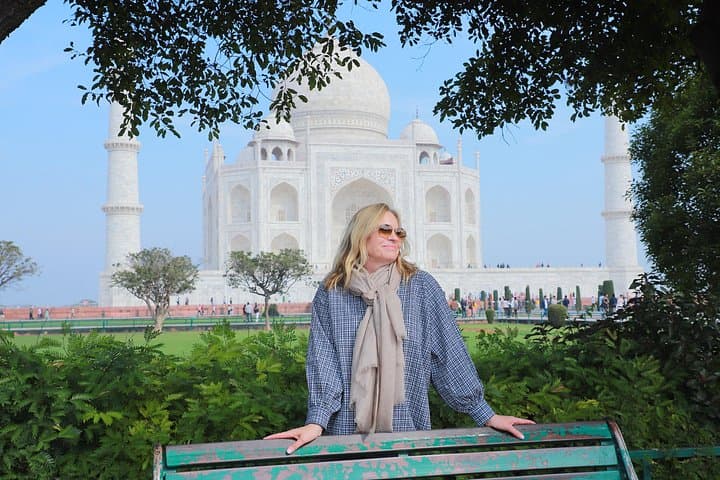
Arriving before the gates open, the Taj Mahal first appears as a pale silhouette against the washed‑out dawn; marble catches the sun and seems to change color as the light climbs. The tour moves with that rhythm — long stretches of highway, then intimate courtyards and carved pietra dura that reward close inspection.
Verified experiences and guided adventures in the surrounding area.
Operated by Trek India Tours · Agra, Uttar Pradesh
Arriving before the gates open, the Taj Mahal first appears as a pale silhouette against the washed‑out dawn; marble catches the sun and seems to change color as the light climbs. The tour moves with that rhythm — long stretches of highway, then intimate courtyards and carved pietra dura that reward close inspection.
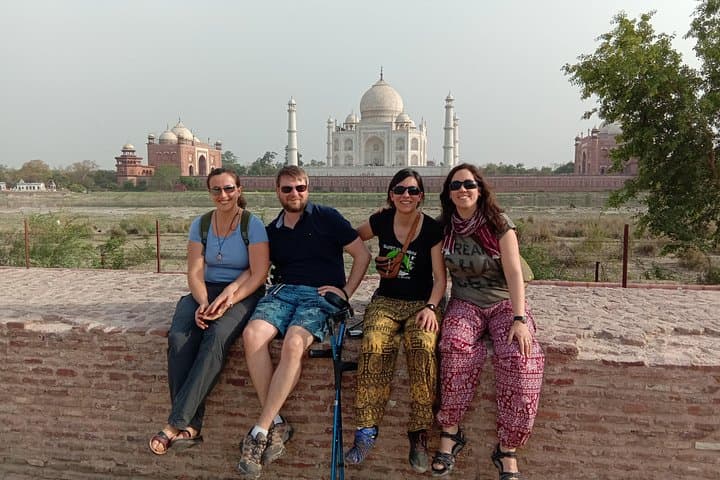
Agra grew where the Yamuna’s floodplain made fertile ground for Mughal cities. The Taj Mahal (commissioned by Shah Jahan in 1632) and nearby Agra Fort reflect 17th‑century Mughal design: red sandstone ramparts, white marble domes and intricate inlay. Mehtab Bagh across the river offers a clear axial view of the monument, while the smaller I'timād‑ud‑Daulah shows the transitional stonework that influenced the Taj.
Culture here is tactile — calligraphed panels, shoe‑removal routines, vendors selling rose petal-infused snacks — and a guide will make sense of architectural terms and courtly history.
Practical guidance: expect a full 10–12 hour day including two 3‑hour drives. Security checks mean limited bags; leave tripods and large backpacks in the vehicle. Bring sun protection and water, and plan for crowds — mornings are cooler and quieter. The tour’s private vehicle and English‑speaking guide reduce logistics stress, but be ready to walk across uneven marble platforms and climb steps at Agra Fort.
Timing, modest footwear, and patience for queues make this a rewarding, accessible cultural day trip from Delhi — one that pairs sweeping vistas with close‑up craftsmanship.
easy.
10–12 hours.
Suitable for travelers in average physical condition; involves moderate walking on flat and stepped marble surfaces.
Depending on the option booked, monument entrances may be included; confirm at booking and carry ID for ticketing.
Expect about a three‑hour drive each way in typical traffic; the full tour lasts roughly 10–12 hours including travel time.
Tripods are often restricted inside the Taj complex; small cameras and smartphones are fine — check with your guide for current rules.
The tour lists wheelchair and stroller accessibility for vehicle transport, but some monuments have steps and uneven surfaces that may limit access on site.
Agra was a major Mughal capital; Shah Jahan commissioned the Taj Mahal in 1632 as a mausoleum for Mumtaz Mahal, blending Persian and Indian design.
The Archaeological Survey of India manages conservation; visitors should stay on marked paths and avoid bringing plastics or smoking near monuments to reduce wear and pollution.
Trek India Tours operates guided outdoor trips and adventures with an emphasis on safety, stewardship, and memorable experiences.

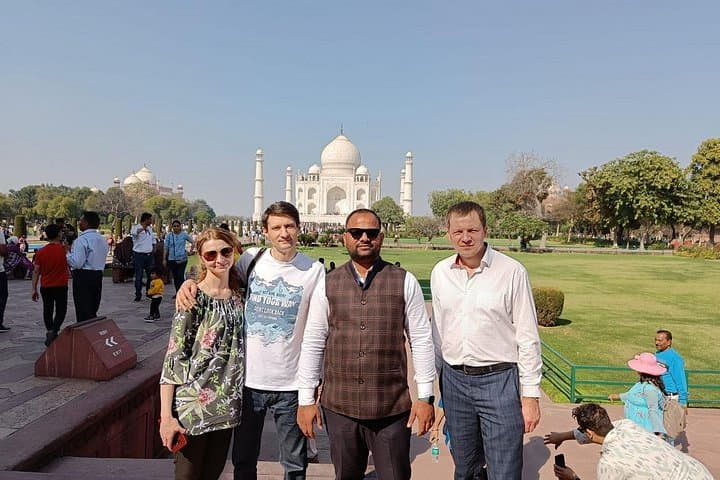
Arriving before the gates open, the Taj Mahal first appears as a pale silhouette against the washed‑out dawn; marble catches the sun and seems to change color as the light climbs. The tour moves with that rhythm — long stretches of highway, then intimate courtyards and carved pietra dura that reward close inspection.
Arriving before the gates open, the Taj Mahal first appears as a pale silhouette against the washed‑out dawn; marble catches the sun and seems to change color as the light climbs. The tour moves with that rhythm — long stretches of highway, then intimate courtyards and carved pietra dura that reward close inspection.
Agra grew where the Yamuna’s floodplain made fertile ground for Mughal cities. The Taj Mahal (commissioned by Shah Jahan in 1632) and nearby Agra Fort reflect 17th‑century Mughal design: red sandstone ramparts, white marble domes and intricate inlay. Mehtab Bagh across the river offers a clear axial view of the monument, while the smaller I'timād‑ud‑Daulah shows the transitional stonework that influenced the Taj.
Culture here is tactile — calligraphed panels, shoe‑removal routines, vendors selling rose petal-infused snacks — and a guide will make sense of architectural terms and courtly history.
Practical guidance: expect a full 10–12 hour day including two 3‑hour drives. Security checks mean limited bags; leave tripods and large backpacks in the vehicle. Bring sun protection and water, and plan for crowds — mornings are cooler and quieter. The tour’s private vehicle and English‑speaking guide reduce logistics stress, but be ready to walk across uneven marble platforms and climb steps at Agra Fort.
Timing, modest footwear, and patience for queues make this a rewarding, accessible cultural day trip from Delhi — one that pairs sweeping vistas with close‑up craftsmanship.